IN Brief:
- Granarolo has agreed a €450 million sustainability-linked financing arrangement with ten financial institutions.
- The agreement comprises two term loan facilities and a revolving credit facility, with incentives tied to sustainability objectives.
- The Italian dairy group has identified operational efficiency, international expansion, cleaner energy and water recovery among its strategic priorities.
Italian dairy manufacturer Granarolo has secured €450 million in sustainability-linked financing from a consortium of ten financial institutions to support its strategic development plan, including improvements to operational efficiency, environmental performance and international growth.
The agreement comprises two term loan facilities and a revolving credit facility, coordinated by Intesa Sanpaolo, BNL BNP Paribas, BPER Corporate & Investment Banking and UniCredit. The other lenders are Banca Monte dei Paschi di Siena, Banca Sella, Banco BPM, Cassa Depositi e Prestiti, Sparkasse-Cassa di Risparmio di Bolzano and Rabobank.
The financing is linked to specified environmental, social and governance objectives, with an incentive mechanism associated with achieving defined sustainability parameters. The parties have not published the individual performance indicators, their measurement thresholds or the financial adjustments that would apply when those targets are achieved.
Granarolo intends to use the financing to support its strategic programme, with operational efficiency and international expansion among the stated priorities. The company has also identified cleaner energy and water recovery at its production facilities as areas of interest, although it has not disclosed an allocation of the new financing to particular factories or projects.
Stanislao Giuseppe Fabbrino, president of Granarolo, said the agreement would support the group’s sustainable strategic development, including improvements in operational effectiveness and further international growth. He noted that more than 41% of Granarolo’s turnover is already generated outside Italy, reflecting the importance of overseas markets to its expansion plans.
The group’s manufacturing activities cover milk and a range of processed dairy products, supported by an integrated supply chain in which producers participate through the Granlatte cooperative. Its operations combine milk collection with processing, product development and distribution across different markets.
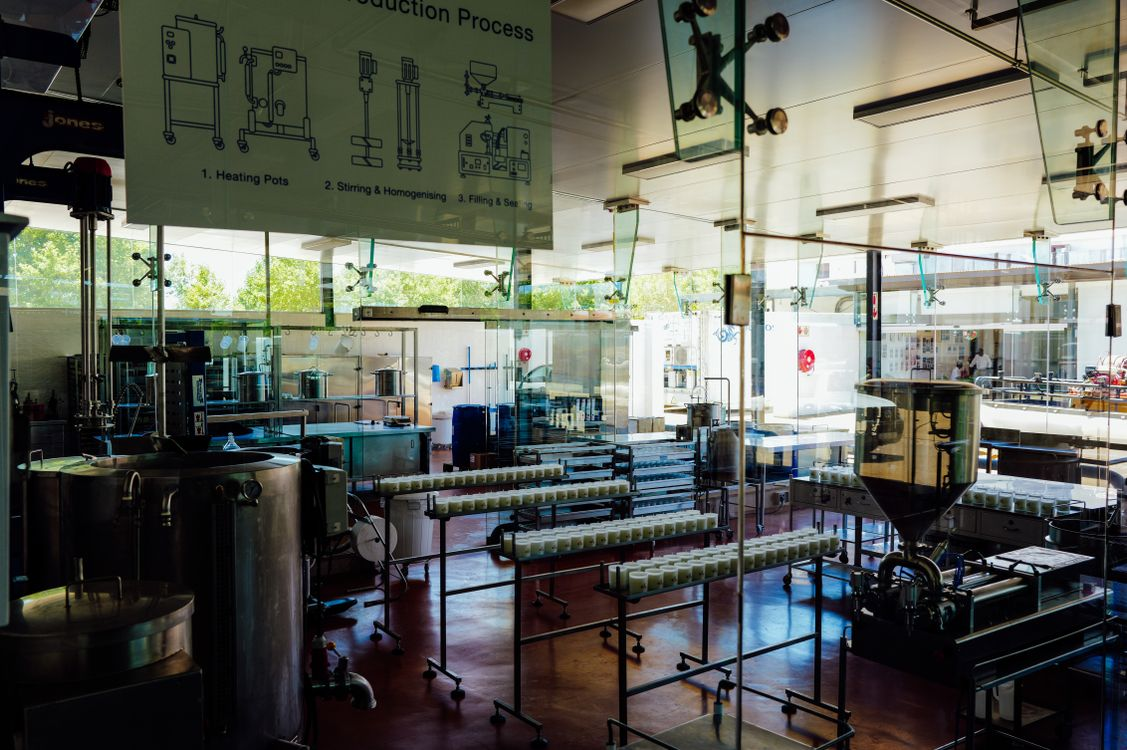
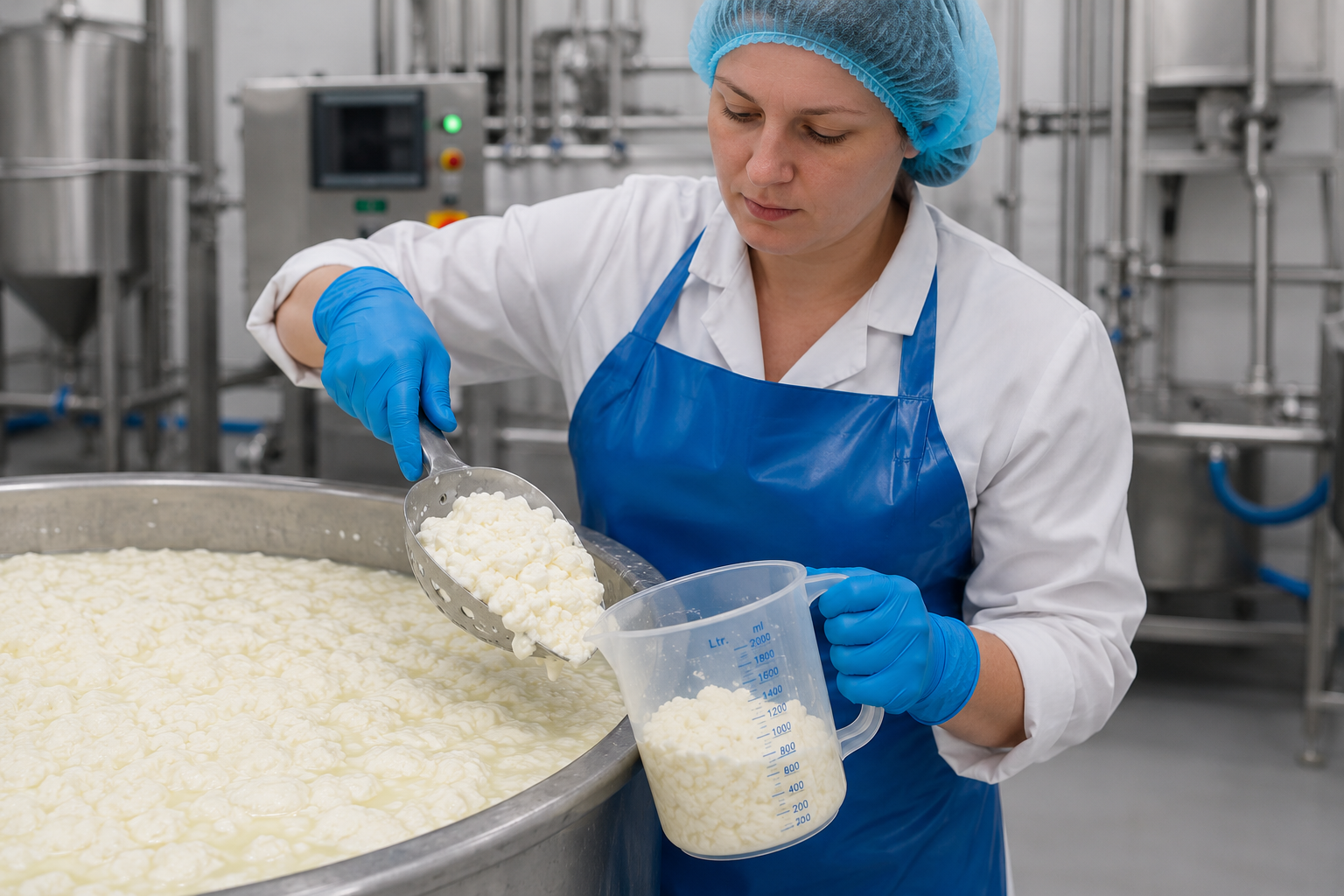
Investment priorities within dairy manufacturing depend on the products and processes operated at individual sites. Drinking milk, yoghurt and cheese production involve different processing stages and utility requirements, so the selection of equipment and the scope for efficiency improvements will vary between facilities. Granarolo has not identified which manufacturing operations are expected to receive new machinery under the current financing plan.
The emphasis on clean energy and water recovery builds on environmental priorities already associated with the group’s industrial activities. Dairy manufacturing requires energy for functions including heat treatment and refrigeration, while water is used in processing, cleaning and sanitation. Reducing consumption or recovering resources can affect operating costs and environmental performance, but the financial and technical outcome depends on the particular investment implemented.
Granarolo has not announced a new heat recovery installation, water treatment project or renewable electricity capacity in connection with this financing agreement. Specific measures will therefore need to be assessed when the company discloses the facilities involved, expenditure committed and performance improvements expected.
The sustainability-linked structure connects the financing arrangement to the group’s performance against agreed objectives. This differs from a financing facility whose proceeds are exclusively restricted to a defined environmental project, because incentives under a sustainability-linked agreement are attached to broader performance measures specified in the lending terms.
Without disclosure of those measures, it is not possible to determine how much the financing costs could change or whether a particular reduction in energy use, water consumption or emissions is required. The headline €450 million amount also represents the financing arrangement rather than a confirmed commitment to spend that sum entirely on factory improvements.
Intesa Sanpaolo’s IMI Corporate & Investment Banking division acted as a global coordinator, sustainability coordinator and agent for the transaction. The bank confirmed the agreement on 13 October, following the announcement of the financing the previous day.
The two term loan facilities and revolving credit arrangement provide different forms of borrowing within the overall agreement. The revolving component can support funding requirements within its contractual limits, while the term loans provide financing under defined repayment arrangements. The lenders have not published the amount allocated to each component or the maturity dates.
International expansion remains a substantial part of Granarolo’s strategy, although additional sales outside Italy do not necessarily require the construction of new production facilities. Growth may be supported through existing operations, commercial partnerships or further investment, depending on the company’s decisions and market requirements.
The financing announcement does not identify an acquisition target, a new overseas factory or additional dairy processing capacity. Those developments would require separate confirmation before being attributed to the strategic plan.
Granarolo now has a substantial financing framework linked to its stated development priorities. The extent of the resulting manufacturing investment will become clearer when individual projects and sustainability performance measures are disclosed, allowing the agreement’s operational effects to be assessed against actual expenditure and results.