IN Brief:
- Huel's Milton Keynes factory uses an Ishida CCW-RVE 24-head multihead weigher to portion large ingredients for single-serve instant meals.
- IX-EN-4093-S X-ray systems and DACS-GN checkweighers provide contamination inspection, finished-pack weight checks and production feedback.
- The inspection systems support product changeovers in approximately five minutes, while the multihead weigher has been reconfigured as Huel's pack formats have changed.
Huel is using weighing and inspection equipment from Ishida at its Milton Keynes manufacturing facility, where growing product variety has led to changes in production formats and the reconfiguration of an existing multihead weigher.
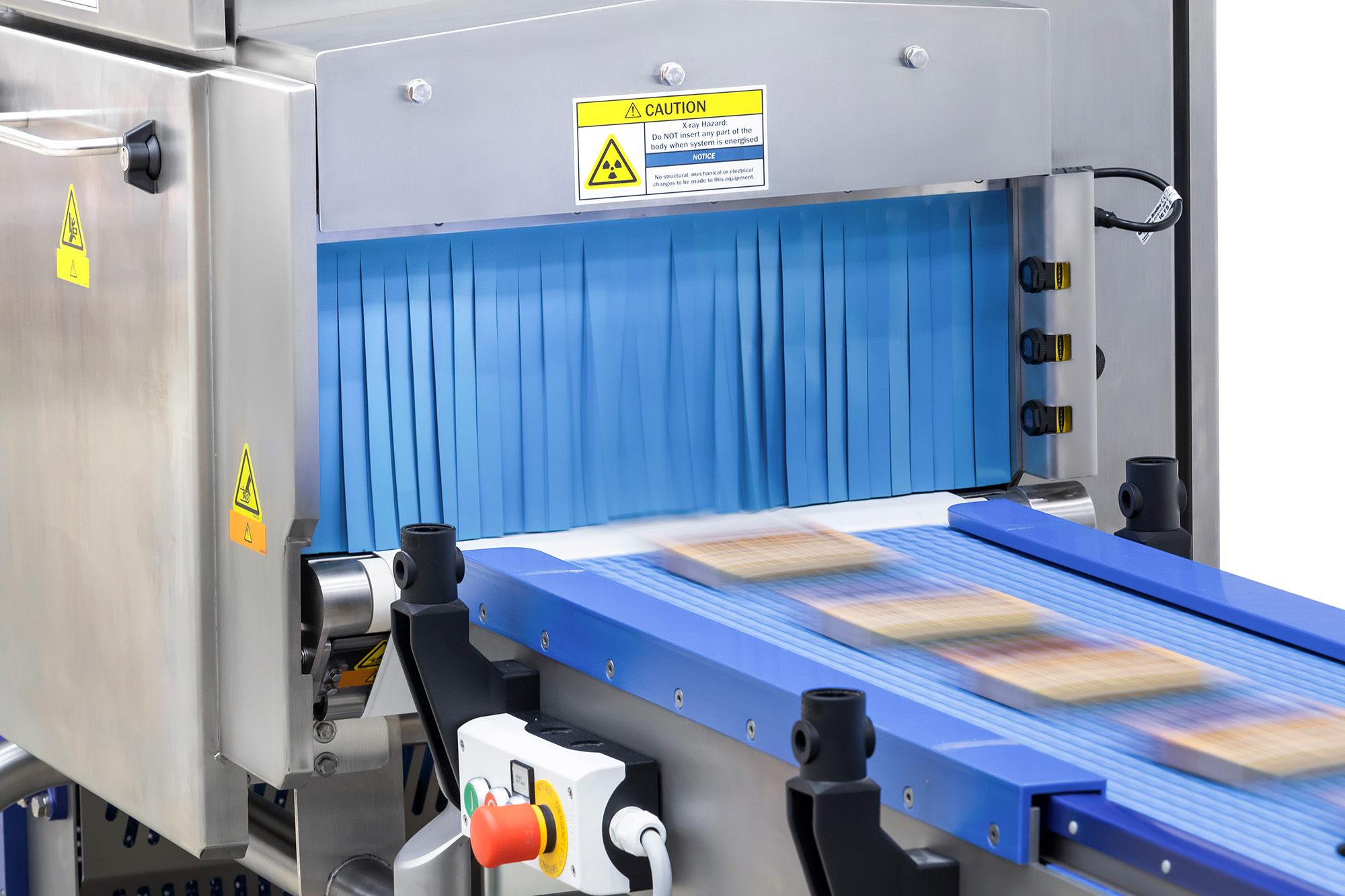
The equipment includes a CCW-RVE 24-head multihead weigher on the single-serve meal sachet line, IX-EN-4093-S X-ray inspection systems and DACS-GN checkweighers across the site’s production lines. Huel reports that the inspection equipment supports product changeovers in approximately five minutes, including the required critical control point checks.
Huel began planning its first dedicated manufacturing facility in 2019, selecting equipment capable of accommodating different formulations and packaging formats. Its subsequent move towards single-serve sachets required changes to the original weighing configuration, while inspection and weight checking continued across the wider product range.
At Milton Keynes, Huel produces pre-blended ingredients for further manufacturing, powdered nutrition products and instant meals. Its lines handle formats ranging from single-serve sachets to multi-serving packs weighing up to 2.25kg, requiring weighing and inspection systems that can be configured for different products without extensive interruption to production schedules.
The 24-head multihead weigher processes larger inclusions used in hot meal products, including dried noodles and pasta. Its integrated feeding arrangement is designed to deliver ingredients into the weighing system while limiting the handling that could damage larger pieces.
Multihead weighing combines measured portions from several weighing hoppers to achieve the required target quantity. For products containing ingredients of different sizes and shapes, consistent feeding into the hoppers is important to maintain an appropriate flow of material and support repeatable portioning.
Ishida supplied integrated feed systems for Huel’s installation, while the CCW-RVE incorporates features that automatically adjust feeder settings after cleaning or production restarts. The weigher’s hoppers can also be opened fully for cleaning, giving operators access to product-contact areas between manufacturing runs.
The equipment has already been adapted to support a substantial change in packaging format. Huel originally used the weigher for larger packs containing 13 servings, but later introduced single-serve sachets in response to changing demand. Ishida modified the existing configuration to accommodate the smaller portions and associated production requirements.
Matthew Iredale, automation project engineer at Huel UK, identified this ability to modify the installed machinery as a major benefit of the relationship with Ishida. He said: “The flexibility of the Ishida equipment has been particularly valuable for our business.”
Although the case study confirms that the equipment was reconfigured, it does not identify every component altered or provide before-and-after measurements of line speed or weighing accuracy. Its reported benefit is the continued use of the existing machine across different pack formats, without a disclosed requirement to replace the complete weighing installation.
Inspection is carried out using Ishida IX-EN-4093-S X-ray systems installed on the production lines. Huel reports foreign-body detection capability down to 0.5mm in diameter, while the machines can also be configured to recognise legitimate items included with particular products, such as measuring scoops and sauce sachets.
X-ray inspection identifies differences in the way materials attenuate X-rays as a product passes through the system. Detection performance consequently depends on the material, its position and the characteristics of the inspected product. The 0.5mm figure is a result reported for Huel’s installation, not evidence that every contaminant of that diameter can be detected under all production conditions.
Recognising approved pack components helps limit unnecessary rejections when products contain items that create distinct features in the inspection image. However, the relevant inspection settings must still be validated against the foreign materials the equipment is intended to detect. The case study does not publish the associated test protocol or false-rejection figures.
At the end of each production line, Ishida DACS-GN checkweighers verify the weights of completed packs. The machines also provide production reporting and trend information, with feedback to upstream dosing equipment where adjustments are required.
This connection between final weight verification and earlier portioning allows the manufacturing operation to identify changes in fill-weight performance during production. The case study confirms the feedback functionality but does not provide a measured reduction in product giveaway or an improvement in weight accuracy attributable to its use.
The X-ray and checkweighing systems can be changed over between products in approximately five minutes, according to Huel, including completion of critical control point checks. That reported duration applies to the installed inspection equipment and should not be taken as a changeover time for the entire factory or every possible weighing and packaging configuration.
The systems operate across multiple shifts, supporting a manufacturing schedule that handles frequent product changes. Iredale said the equipment had proved reliable and easy to operate, with Ishida’s engineering and software support helping the factory adapt as its range expanded.
He also reported that unexpected equipment downtime was rare, describing the multihead weigher as the factory’s most reliable machine. Huel credited the supplier’s support with helping it meet overall equipment effectiveness targets, although neither company disclosed the underlying OEE figures, production speeds or comparative downtime data.
The case study establishes how the combination of weighing, inspection and feedback control has been used in an operating food factory, including a completed change to the multihead weigher’s original configuration. The demonstrated flexibility is relevant to Huel’s continuing introduction of products and pack formats, while the reported performance figures remain those supplied by the manufacturer and customer.