IN Brief:
- BW Packaging announced Perpetua on 15 October 2026 and will introduce the dedicated automation and integration offering at PACK EXPO International.
- The new business will take an OEM-agnostic approach, working across equipment and technologies rather than limiting projects to BW Packaging machinery.
- Its proposed services cover capacity expansion, product format changes, equipment replacement and operational improvements, with no quantified customer results announced.
BW Packaging has established Perpetua, a dedicated automation and systems integration offering intended to help manufacturers modify and expand production operations using equipment and technology from different suppliers. The company announced the new brand on 15 October 2026 and plans to introduce its capabilities at PACK EXPO International in Chicago from 18 to 21 October.
Perpetua brings BW Packaging’s existing integration expertise under a named offering rather than adding a newly specified packaging machine. Its planned work includes expanding production capacity, introducing product and pack formats, replacing obsolete equipment, bringing processes back from contract packers and addressing operating performance. BW Packaging describes the approach as independent of individual original equipment manufacturers, allowing projects to draw on different machinery and technology providers.
The intended scope reflects the way industrial packaging lines are assembled. A manufacturer may operate a filler from one supplier, a capper or sealer from another and separate conveying, inspection, labelling and case-packing equipment. Each machine has its own design limits and operating logic, but production depends on the complete sequence delivering acceptable packs at the required rate.
A higher rated speed for a single machine does not guarantee more finished product leaving the line. Where a downstream machine runs more slowly, containers can accumulate until an upstream machine needs to pause. Insufficient accumulation space can amplify short stops, while unstable transfers may cause product damage or rejects. Identifying a useful capacity upgrade consequently requires evidence of how machines interact during actual operation.
Controls are one part of that interaction. Machines may need to exchange availability signals, stop requests, fault conditions and recovery commands to coordinate production. The precise connections depend on the controls already installed, and an integration project must establish which interfaces are supported before specifying changes. BW Packaging has not announced a universal control product or stated that Perpetua will replace every customer’s existing automation architecture.
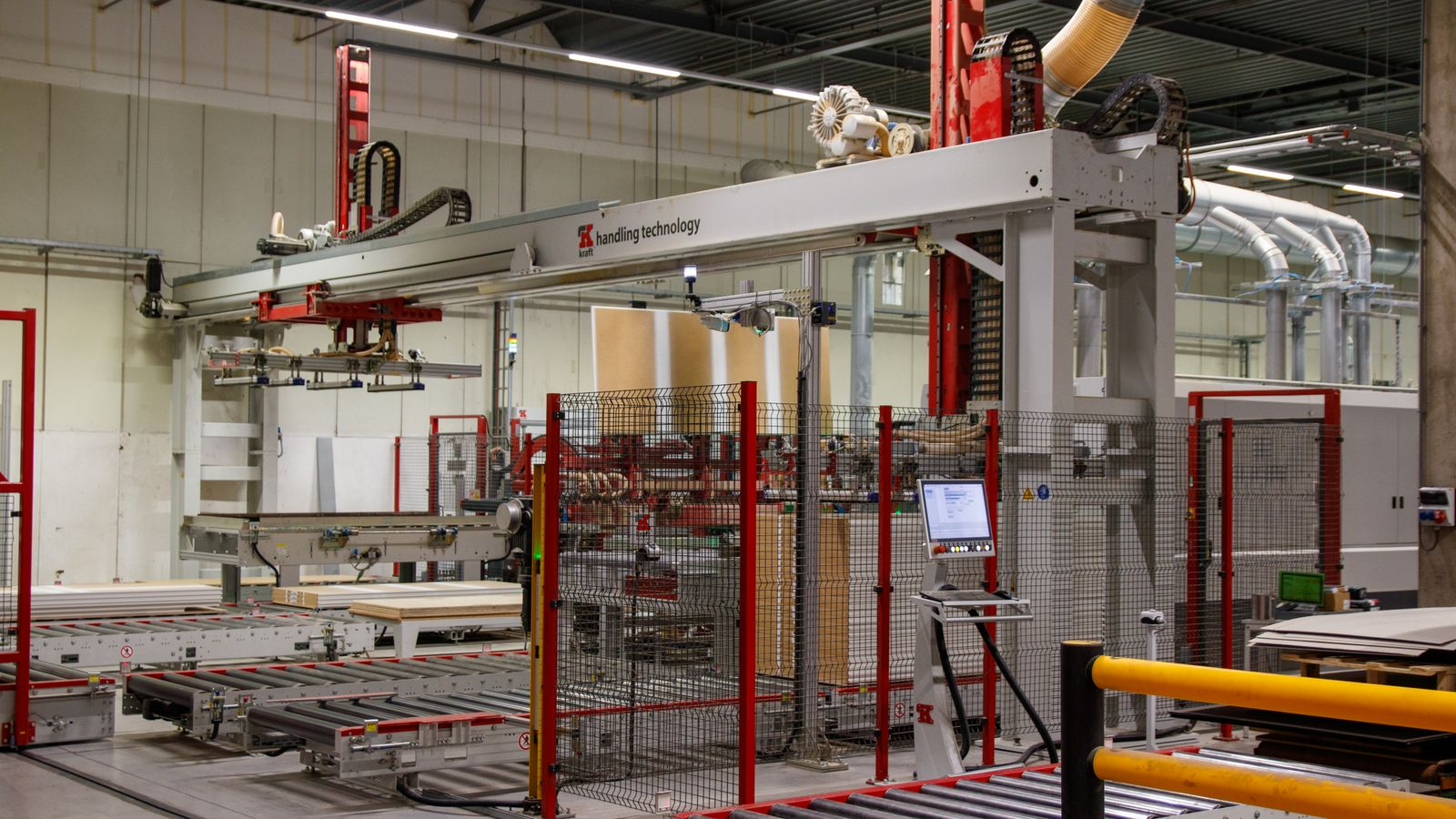
Physical integration presents different constraints. Conveyor geometry, product orientation, changes in line speed and the space available for accumulation all influence how packs move between operations. A new format may require adjustments to guides, tooling, sensors or end-of-line handling, even where the principal filling or packing machine can accommodate the product. Modernising the whole line can therefore be more involved than selecting a faster replacement for its most visible piece of equipment.
Food and beverage operations add requirements associated with hygiene, cleaning and product integrity. Equipment modifications must not prevent access for cleaning or undermine the controls used to avoid contamination and incorrect labelling. Where products move between areas with different hygiene requirements, layout and transfer arrangements also need to respect the site’s established production controls. These are general engineering considerations, not reported findings from a completed Perpetua customer installation.
Older machinery may remain mechanically serviceable while its control hardware and communications have become difficult to support. A factory considering replacement must compare the cost and disruption of installing a new machine with the limitations of retaining the old asset. In some cases, interface modifications or selective upgrades may be practical; in others, equipment condition or operating requirements can make replacement the better option.
BW Packaging says Perpetua will be able to examine those decisions across machinery brands and production systems. The OEM-agnostic description identifies how the company intends to select and integrate equipment, not a guarantee that every third-party product can be connected without further engineering, supplier approval or changes to the customer’s installed infrastructure.
Changing the intended output of a factory can also alter requirements outside the main packaging equipment. A higher production rate may increase demand for incoming containers and packaging materials, while finished goods handling and storage must accommodate the resulting volumes. Projects intended to bring previously outsourced packing into a manufacturer’s own facility can create new requirements for labour, utilities, inspection, maintenance and production planning.
New product formats introduce another source of variation. Container shape and size can change the behaviour of handling equipment, while different pack configurations may affect the speed and accuracy of labelling and secondary packing. The integration plan needs to account for those differences if the customer expects to switch between formats without sustained interruptions or unacceptable levels of waste.
The company also identifies workforce constraints and safety improvements among the reasons for applying automation. Removing repetitive manual tasks can change the balance of labour along a line, but automated equipment still requires operation, fault recovery and maintenance. A project therefore needs to consider the skills available on site and the ability of staff to keep the installed systems working reliably after handover.
Rachana Creeth, President of BW Packaging, presented the new offering as a response to changing production requirements over the operating life of industrial equipment. Eric Collier, the company’s Chief Automation and Integration Officer, described an approach based on establishing what an operation needs to achieve before selecting the relevant technologies. Both statements concern the proposed delivery model; they are not reports of quantified customer results.
BW Packaging already supplies filling, closing, labelling and end-of-line equipment, along with complete packaging systems and aftermarket services. Perpetua will sit alongside those activities and draw on experience from the broader Barry-Wehmiller group. The manufacturer says that background will support projects spanning different technologies, although no separate organisational headcount, capital investment or revenue target for Perpetua has been disclosed.
The announcement does not identify completed Perpetua installations, a reference customer, a standard implementation timetable or a guaranteed improvement in throughput, yield or equipment availability. Its immediate news value lies in BW Packaging formalising a cross-supplier integration service, with commercial delivery and measurable performance still to be demonstrated through subsequent projects.
Perpetua’s capabilities are due to be presented at BW Packaging’s stand S-2100 during PACK EXPO International. The exhibition introduction may establish customer interest and project opportunities, but the 15 October announcement should not be described as confirmation that new systems have already been installed or that a previously specified packaging line has achieved operational savings.