IN Brief:
- Macrocell introduces integrated mechanical liquid retention in ILIP's MT230 and MT250 HeatSealingMaster tray formats.
- ILIP has expanded its StretchMaster range with a 195 × 144 mm tray for automated stretch-film and flow-pack lines.
- The portfolio includes different PET, PET/PE and compostable bioplastic constructions, each with distinct end-of-life characteristics.
ILIP is expanding its fresh food packaging range with a tray base that incorporates liquid absorption into the moulded structure, eliminating the need for a separate conventional absorbent pad. The Italian manufacturer will present its Macrocell technology at Cibus Tec in Parma from 27 to 30 October, alongside new formats for heat-sealing, stretch wrapping and flow-pack operations.
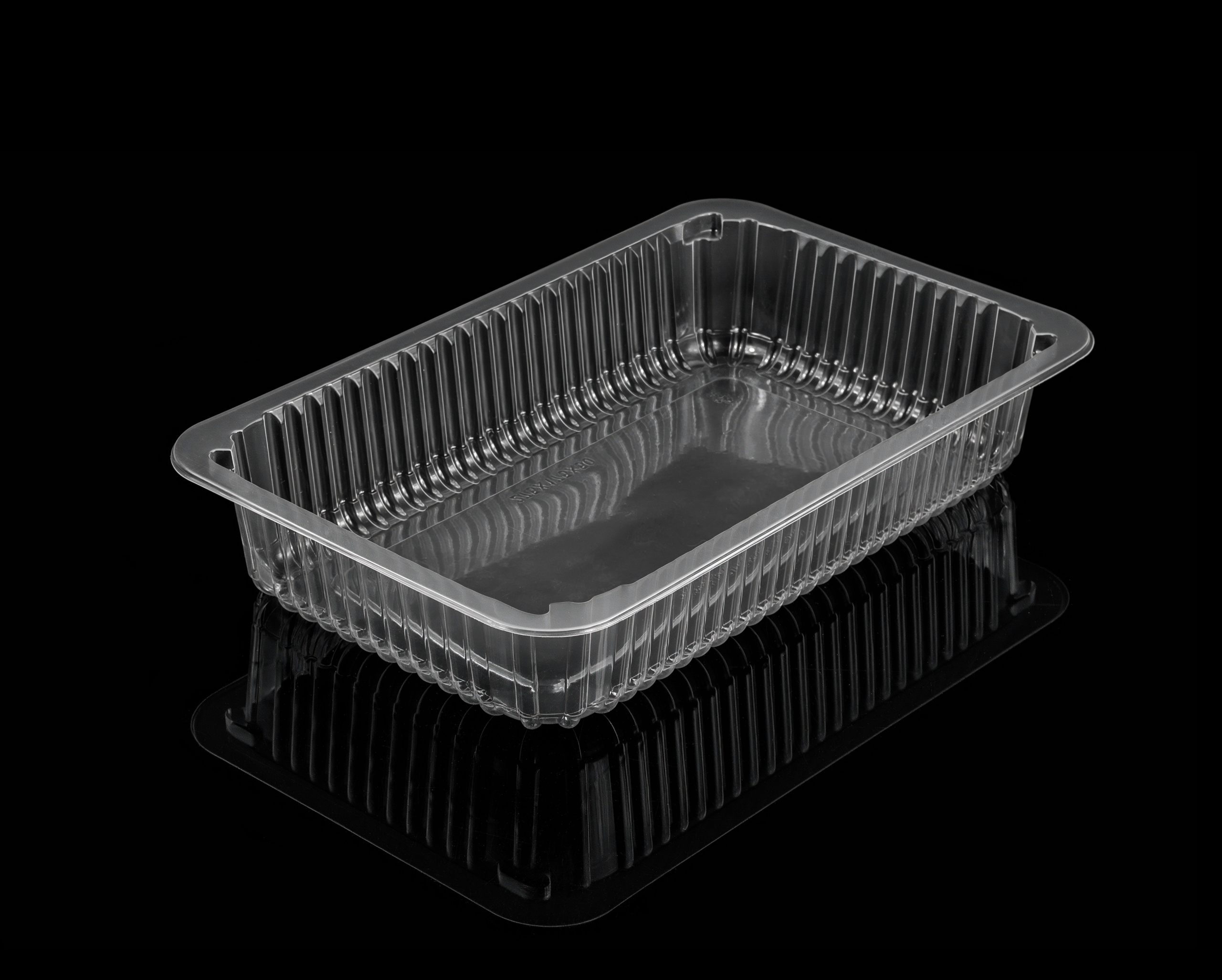
Macrocell joins the company’s HeatSealingMaster range, which includes trays for fresh meat, fish and other foods packed using heat-sealed films, including modified-atmosphere applications. The new base is designed for products that release relatively large quantities of liquid during storage. It is being offered in MT230 and MT250 formats, complementing ILIP’s existing Microcell system.
Both Macrocell and Microcell rely on mechanical absorption within the tray base rather than a separately inserted pad. Their intended operating requirements differ, with Macrocell positioned for applications requiring greater liquid retention. ILIP has not published a direct comparison of the systems’ absorption capacities or provided a quantified retention figure for individual products.
Fresh food packaging must accommodate liquid released from products after processing, particularly where meat or fish loses moisture during storage. Exudates can collect at the lowest point of a tray, affecting presentation and making the behaviour of the packaging structure important. An absorbent pad provides one method of containing the liquid, but adds a separate component that must be purchased, placed and managed during packing.
Integrating the retention mechanism into the tray base changes this arrangement. The moulded structure becomes responsible for holding liquid, potentially simplifying the handling of individual packaging components. Whether that results in a material or operating-cost reduction depends on the complete tray design, its weight and the equipment used to pack the food. ILIP has not supplied figures demonstrating those savings for Macrocell.
Mechanical retention also differs from the barrier properties needed for a sealed food pack. A tray may contain released liquid while still requiring an effective seal and suitable protection against the movement of gases or moisture through the packaging. For modified-atmosphere products, the lidding film, tray construction and sealing operation must together maintain the intended atmosphere during the validated shelf life.
The HeatSealingMaster range offers several material constructions. Evo uses a monomaterial PET structure, while Duo combines PET and polyethylene to provide different sealing characteristics. The Bio version is manufactured from compostable bioplastic certified to EN 13432. The presence of that certification for the specified material does not establish that every assembled package, including the selected lidding film and other components, is accepted by every composting system.
Material selection affects the interaction between a tray and its production line. A PET-based construction may be chosen for its rigidity and clarity, while a multilayer structure can provide particular sealing characteristics. The chosen tray must withstand denesting, filling, conveying and closure operations without unacceptable deformation. Its dimensions also need to match the tooling and operating conditions of the selected equipment.
ILIP has introduced M230 8-Hamburger and half-Gastro configurations within the wider HeatSealingMaster range. These extend the options available for processors packing products of different shapes and volumes. Introducing another tray format can require adjustments to feeding and handling systems, even where the materials and sealing methods are already familiar to the packing operation.
The company is also expanding StretchMaster with a 195 × 144 mm format. This range is intended for automated stretch-film and flow-pack equipment, using packaging arrangements that differ from conventional heat-sealed trays. The addition broadens the dimensions available to processors without requiring the different formats to serve identical applications.
StretchMaster includes PET with recycled content and a compostable bioplastic option. Microcell is available within its Evo construction, extending integrated liquid retention to a different packaging arrangement. ILIP has not confirmed that the new Macrocell base will be available across every StretchMaster material and format, so the two technologies should not be described as interchangeable throughout the entire portfolio.
For sliced foods, ILIP continues to offer SliceMaster trays using a multilayer R-PET/EVOH/PE structure. The ethylene vinyl alcohol layer provides barrier functionality, while the polyethylene layer contributes to the completed material construction. Such packs must be assessed as multilayer structures rather than being treated as equivalent to monomaterial PET simply because recycled PET is one of their constituents.
ILIP’s broader material strategy includes tray-to-tray recycling through the ILPA Group. The programme uses recovered PET from post-consumer trays and punnets as well as bottles, supporting the manufacture of new packaging where the recovered polymer meets the necessary quality requirements. The company reports recycled content averaging approximately 80% across its R-PET packaging range, although that figure is not a specification for every individual tray.
Recycled content and recyclability describe different characteristics. Recycled content refers to the proportion of recovered material incorporated into a product, while recyclability depends on whether the finished packaging can be collected, sorted and processed through an appropriate recycling system. Sealing layers, adhesives and other components can affect the latter even when the base tray contains substantial recycled material.
ILIP’s latest additions therefore involve several separate technical changes: integrating greater liquid retention into selected tray bases, expanding the range of available dimensions and providing different material constructions for particular packing methods. The company has not reported production-speed comparisons, new customer installations or independently measured shelf-life improvements associated with the additions.
The new products will be displayed at Cibus Tec, where processors can assess their suitability for particular food products and packaging equipment. Further application testing will determine how much liquid the Macrocell trays retain under defined conditions, whether they remain compatible with existing sealing systems and how the different material structures perform throughout the intended distribution and storage period.