IN Brief:
- Sour Cream & Chive entered Tesco and Ocado on 19 October; Dill & Pickle was scheduled for a later Ocado rollout.
- Both 150g Scottish-made dips use British milk, with separate ingredient lists and 9.0g or 9.2g protein per 100g.
- Retail pack declarations require refrigerated storage between 0°C and 5°C and consumption within three days of opening.
All Things has extended its British cottage cheese range into chilled dips with two recipes designed for different flavour preferences. Sour Cream & Chive entered Tesco and Ocado on 19 October 2026, while the brand introduced Dill & Pickle to its creator network ahead of a wider Ocado launch later in the month. Both products are supplied in 150g containers at a recommended retail price of £1.95. The development brings an existing dairy product into a condiment format, with formulation and chilled distribution requirements distinct from a plain cottage cheese pot.
Retailer specifications identify a Scottish family farm as the manufacturing location and describe the milk as 100% British, from grass-fed cows. Those details give the products a domestic supply link, while the launch extends All Things' earlier move into smooth cottage cheese. The new range is promoted as high in protein and suitable for vegetarians. Both flavours require refrigerated storage between 0°C and 5°C, with the pack instructions specifying use within three days of opening. Their chilled presentation places production consistency and temperature management alongside taste and texture as practical specifications.
Sour Cream & Chive contains 73.9% cottage cheese, 24.5% sour cream and 1.5% chives, with potassium sorbate declared as a preservative. The sour cream contributes a different fat and moisture balance from cottage cheese alone and produces the richer of the two stated nutrition profiles. Tesco lists 9.0g protein, 8.7g fat and 0.80g salt per 100g. These are the finished product declarations, which provide a more useful comparison than treating cottage cheese as a uniform nutritional ingredient across every dip recipe.
The second variant uses 81.9% cottage cheese and 18% dill pickle preparation. Its listed ingredients include gherkins, onion, white wine vinegar, sugar, dill and cornflour, with potassium sorbate also declared. Ocado's specification gives 9.2g protein, 4.7g fat and 0.83g salt per 100g. The lower declared fat content reflects a formulation without the substantial sour cream addition used in the chive variant. Both products identify milk as an allergen, and their nutrition tables distinguish the recipe effects more precisely than the shared high-protein positioning.
In making a cottage cheese dip, the characteristics of the curd base influence how added ingredients distribute through the final product. Smoothing a curd-based dairy matrix changes its texture, while the addition of sour cream or vegetable inclusions affects acidity, viscosity and how the dip holds together during storage. The commercial label confirms that All Things markets blended products, rather than simply repackaging plain cottage cheese. The published ingredient declarations establish the composition of the retail recipes; they are not a disclosure of individual process stages or proprietary mixing settings.
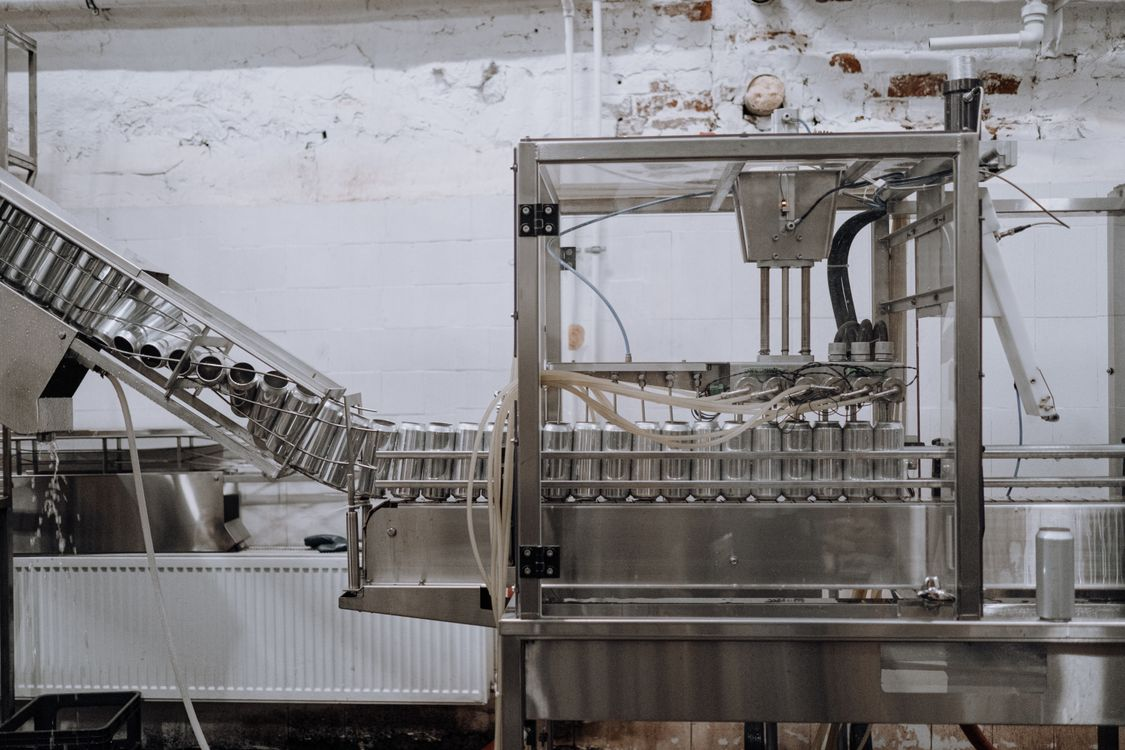
Filling the two flavours into identical 150g containers presents different handling characteristics. Sour Cream & Chive combines dairy ingredients with comparatively fine herb pieces. Dill & Pickle incorporates a preparation containing diced vegetable material and liquid ingredients. Particle distribution, portion-weight consistency and a stable finished appearance are familiar concerns when processors fill mixed foods containing inclusions. The specific equipment and controls used by the Scottish manufacturing partner have not been disclosed, so these are formulation considerations rather than claims about a particular installed line.
The retail rollouts differ in timing and distribution. Sour Cream & Chive was launched through both Tesco and Ocado, while Dill & Pickle initially went to selected creators before its planned Ocado debut. Product listings identify the pack size and recipe specifications, but distribution can change by retailer and delivery area. A staggered introduction allows the brand to offer two related formulations without requiring simultaneous placement in every store. It also gives customers access to distinctly different products under one familiar dairy proposition.
The label requirements provide the operational common ground. Each pot must identify the correct milk allergen, ingredient composition, nutrition values, date marking and storage instructions. Finished-product specifications also need to match the corresponding pack artwork, especially where the two recipes share branding but differ in fat content and components. Refrigerated transport and shelf handling have to preserve the declared storage conditions until sale. These are established requirements of the chilled dairy category and become more prominent as brands extend into foods with additional ingredients.
All Things' October launch therefore represents two distinct British-made dairy formulations within a common 150g chilled format. The evidence available to buyers includes their detailed ingredient lists, protein and fat declarations, storage conditions, declared origin and separate retail launch arrangements. Their introduction creates an additional route to market for cottage cheese-based foods, while any subsequent production expansion would be established through new contracts, plant investment or disclosed changes in manufacturing volume.