IN Brief:
- Symrise says the €27.5 million investment at Berric is operational, adding a cooking line and spray-drying tower.
- The expanded plant will produce chicken ingredients and combined taste solutions for savoury and nutritional applications.
- The company expects additional European capacity to diversify supply for customers in several international markets.
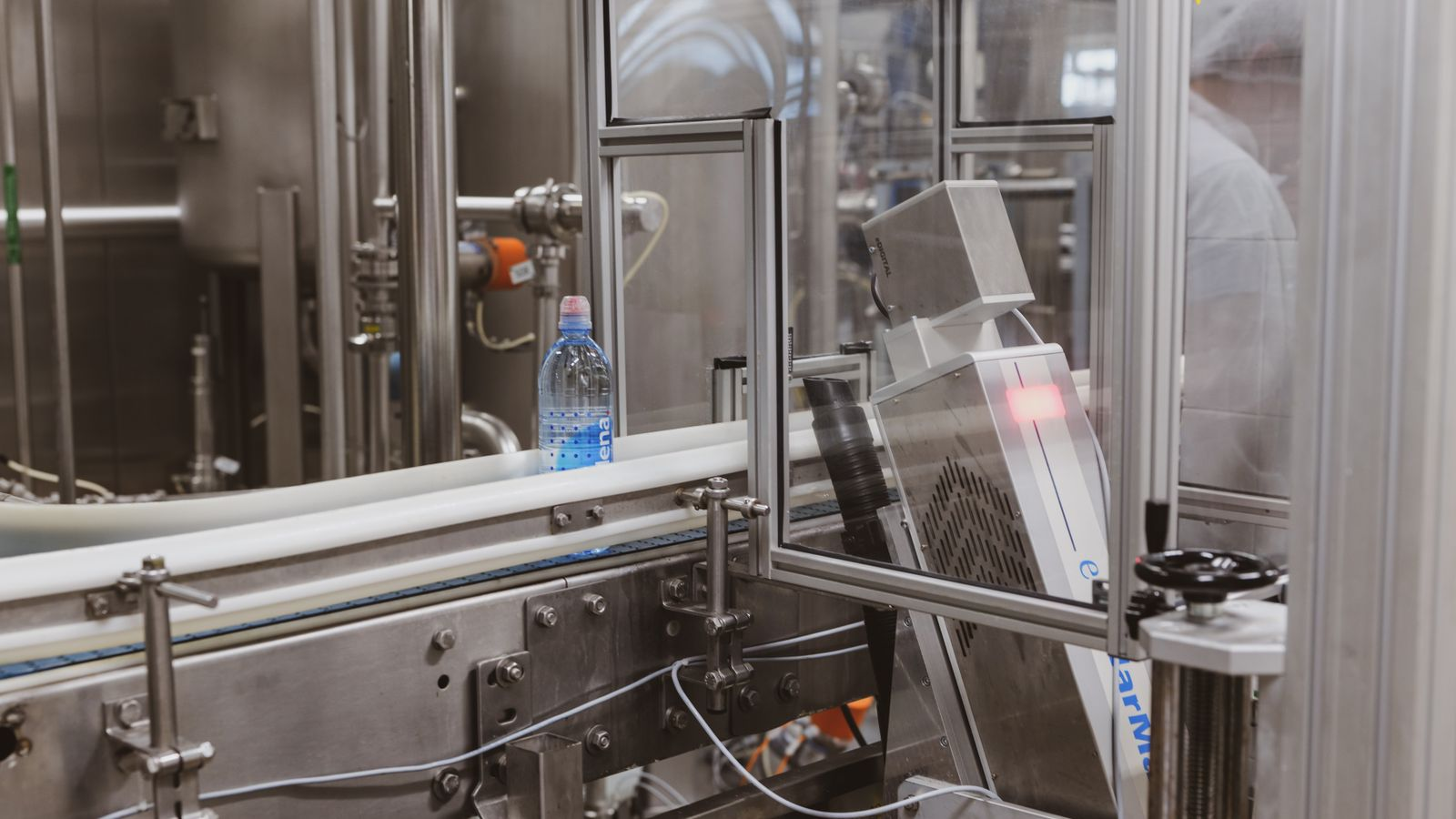
Symrise has commissioned a cooking line and spray-drying tower at its chicken ingredient plant in Berric, France, completing a €27.5 million investment in processing equipment. The operational assets expand its production options for chicken-derived ingredients and taste systems used in savoury foods and nutritional products.
The €27.5 million project was designed and executed by Symrise scientists and engineers, with financial support from the Brittany region and the European Agricultural Fund for Rural Development. Berric has produced chicken ingredients for more than 45 years. The investment adds equipment to that established operation rather than creating an entirely new factory, giving the company another European processing route alongside its existing international capabilities.
Cooking and spray drying address different stages of the manufacturing sequence. Controlled cooking can extract or develop selected characteristics of chicken-derived raw materials, depending on the ingredient being produced. Liquid streams destined for powdered products can then undergo appropriate preparation before entering a spray dryer, where atomisation creates droplets that lose moisture in a controlled flow of heated air. The result is a powder suitable for further blending, formulation or packing.
The drying stage extends the range of physical formats the Berric site can supply. Powders can be metered into industrial recipes through dry ingredient handling systems, while broths and concentrates require different dosing and storage arrangements. Storage and transport conditions depend on the moisture content, water activity and packaging specification of each powder. Symrise has not provided these parameters or shelf-life figures for individual products.
Achieving repeatable powder quality requires control on both sides of the dryer. Variations in upstream raw material composition or cooking conditions may change the properties of the liquid feed; atomisation, solids content and drying conditions then affect particle characteristics and residual moisture. The additional equipment gives Berric more scope to adjust its processing route, although Symrise has not disclosed the operating parameters needed to compare product specifications across the new lines.
Symrise describes the expansion as supporting both pure chicken ingredients and combined taste solutions containing natural flavours. Its wider chicken portfolio includes powders, broths, fats, pieces and flavour systems for soups, sauces, seasonings, other savoury foods and nutritional products. The different ingredient forms will not necessarily travel through the same equipment sequence, making the ability to schedule and coordinate several process routes central to the site’s flexibility.
Antoine Coursault, Symrise Food & Beverage’s global strategic growth competence chicken director, has linked the commissioning to increased manufacturing flexibility and cooperation between processing and application development. The company has not reported the cooking line’s hourly throughput, the dryer’s evaporation rate or the resulting increase in annual tonnage. Its €27.5 million capital expenditure figure cannot therefore be converted into a defensible percentage increase in output.
The final effect on capacity will depend on the mix of products run through the new equipment and the availability of raw materials, blending, packaging and quality assurance operations elsewhere on the site. Cooking and drying throughput must be matched by available raw materials and sufficient blending, packing and quality assurance capacity. Products from the expanded lines must also pass customers’ qualification requirements before becoming part of regular ingredient supply.
The additional French capacity is intended primarily to serve customers across Europe, Africa and the Middle East, while providing another sourcing option in Asia Pacific and Latin America. Symrise says the investment complements its North American chicken business. Multiple production locations can offer greater flexibility when matching product specifications and delivery schedules, although no specific customer order transfers to Berric have been identified.
The project’s completion follows an earlier product and capital investment plan. Symrise outlined its French chicken powder range and proposed spray drying tower in September 2025, expecting production to begin in 2026. The new cooking and drying assets have now been installed and commissioned, completing the production expansion proposed in 2025.
Chicken-derived components are used for more than their flavour profile. Depending on their composition, they can influence savoury character, nutritional formulation and the handling properties of a finished food. Combining ingredient processing with taste formulation expertise at the same manufacturing site may simplify development work, but commercial output must still meet the relevant microbiological, compositional and sensory specifications from batch to batch.
Berric can now manufacture through the commissioned cooking and drying assets as part of Symrise’s European ingredient network. The company has not disclosed the incremental annual tonnage, while routine output will depend on product mix, downstream handling capacity and customer qualification.