IN Brief:
- Ingredion reported third-quarter 2026 operating income of $201 million, down 19% year on year.
- US and Canadian ingredients operating income fell 36% to $52 million amid high manufacturing costs at Argo.
- Management lowered full-year earnings expectations while preparing for its proposed Tate & Lyle acquisition.
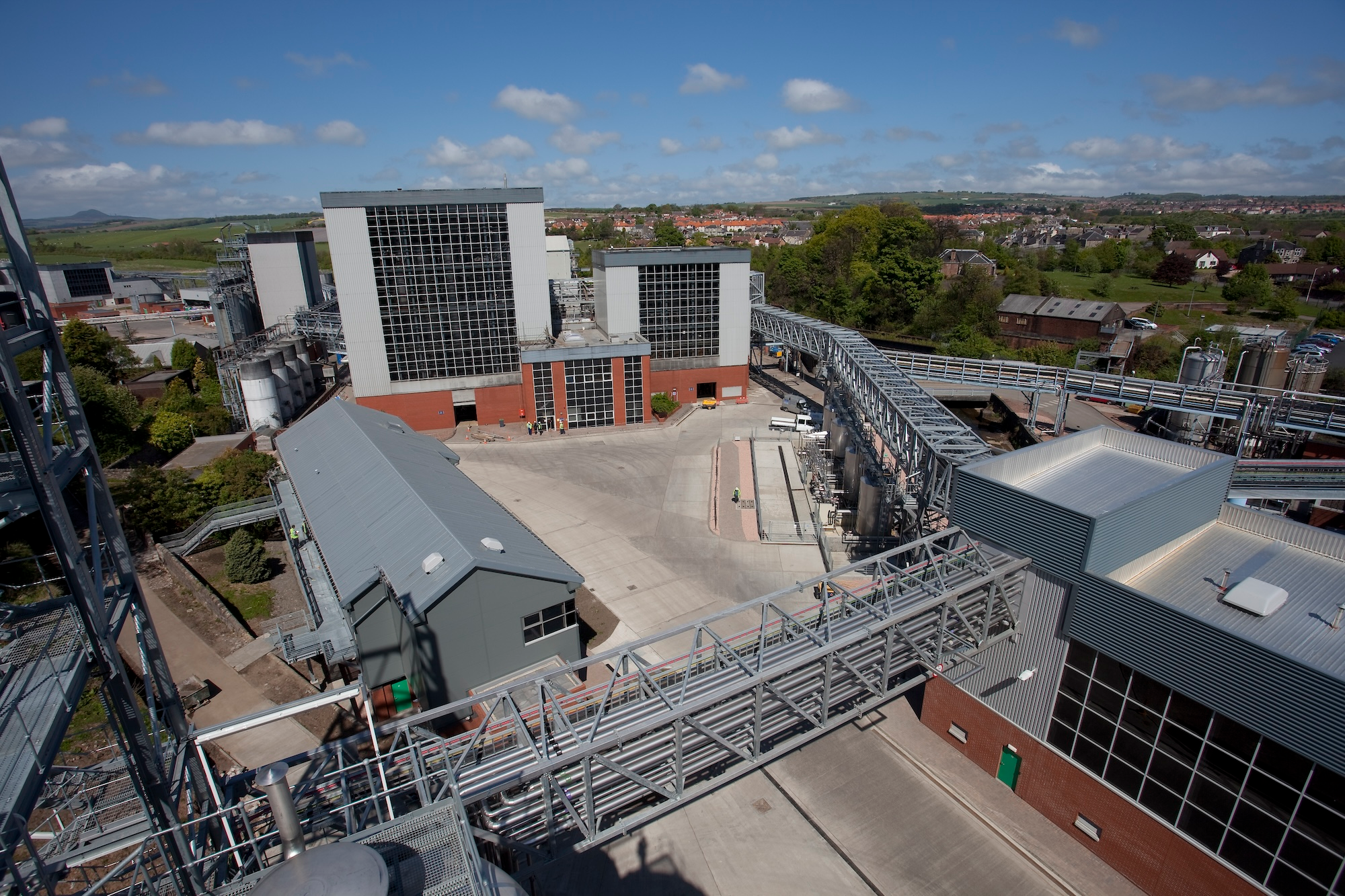
Ingredion recorded a 19% decline in third-quarter 2026 operating income as elevated production costs at its Argo facility continued to weigh on the North American ingredients business. Reported operating income fell to $201 million from $249 million a year earlier, while adjusted operating income declined to $206 million from $254 million. The company said its recovery was taking longer than anticipated, despite improved plant reliability and more stable production.
Quarterly net sales were $1.792 billion, down 1% from $1.816 billion a year earlier. The disposal of a majority stake in Ingredion’s Pakistan business affected the reported comparison; excluding that operation, sales increased 2%. Foreign exchange and volume growth in Latin America and Texture & Healthful Solutions helped offset weaker conditions in the US and Canada. Profitability nevertheless deteriorated more sharply than revenue, particularly in the North American Food & Industrial Ingredients segment.
Production at Argo remained stable for a second successive quarter, and inventories had largely been restored, according to Ingredion. Manufacturing costs were still elevated, however, while weaker food and beverage demand constrained profitable volume growth. That combination delayed the financial recovery management had expected after operational disruption. The company has shifted emphasis from restoring plant reliability to reducing recurring operating costs and rebuilding volumes that make better use of the facility’s capacity.
The Food & Industrial Ingredients business covering the United States and Canada generated $504 million in third-quarter sales, compared with $507 million in the prior year. Segment operating income fell from $81 million to $52 million, a 36% reduction. Ingredion attributed the movement mainly to higher manufacturing costs at Argo and lower volumes, partly offset by favourable price mix. The magnitude of the profit decline was substantially greater than the movement in segment sales, indicating how strongly operating costs affected the quarter.
A return to reliable output does not automatically restore a starch-processing plant’s cost per tonne. Energy, maintenance, labour, raw material handling and the rate at which fixed costs are absorbed across production volumes can still affect margins after disruption ends. Ingredion has not disclosed the Argo line-level data needed to assign precise proportions to each factor. Its published figures show higher manufacturing expense and lower regional volumes, rather than a quantified deterioration in equipment yield or an announced new failure of the plant.
Ingredion’s reconciliation also identifies $8 million of third-quarter pretax charges primarily associated with the Argo thermal event, against $25 million over the first nine months. The group reported operating income of $201 million and adjusted operating income of $206 million for the quarter. The $5 million net difference reflects several adjustments, including acquisition costs, impairments and the thermal-event charges, substantially offset by a restructuring benefit. These accounting items are separate from the higher continuing production costs affecting the segment’s operating performance.
Performance in Texture & Healthful Solutions was more resilient in volume terms. Ingredion reported a tenth consecutive quarter of volume growth for the segment, supported by demand for clean-label solutions and reformulation work involving simpler ingredient declarations, affordability and nutrition. Net sales increased to $610 million from $605 million, but operating income declined to $95 million from $105 million. Higher tapioca costs, other manufacturing input inflation and price mix reduced profitability despite the rise in revenue.
Higher tapioca prices and other manufacturing costs affected Texture & Healthful Solutions despite continued demand for clean-label reformulation. The business supplies starches, texturisers and other systems whose properties must remain consistent through processing and formulation. Sales volumes can increase without equivalent earnings growth if input and conversion costs rise more quickly than contract prices. Ingredion’s 2026 outlook expects speciality ingredient demand to continue, while additional manufacturing inflation constrains the operating income benefit.
Latin American Food & Industrial Ingredients sales increased to $624 million from $585 million, supported by brewing and beverage customer volumes in Mexico and Brazil. Segment operating income nevertheless slipped to $109 million from $116 million. Ingredion cited adverse effects from the stronger Mexican peso and an August earthquake that disrupted its Andean operations in Colombia. The reported sales improvement therefore coincided with currency and operational costs that reduced the benefit reaching regional earnings.
The 2026 full-year outlook now reflects the slower recovery in the US and Canadian business, rising inputs and weaker demand. Adjusted diluted earnings per share are forecast between $9.25 and $9.70, with reported diluted earnings per share between $8.04 and $8.49. Ingredion expects operating cash flow of $650 million to $750 million and capital expenditure of approximately $450 million to $490 million. These ranges apply to its current corporate structure and exclude the acquisition-related integration and restructuring costs specified in the guidance.
Integration planning is also underway for the proposed acquisition of Tate & Lyle, which remains subject to outstanding approvals. The current quarter’s operating figures cover Ingredion’s existing businesses, not a combined group. Management expects the Argo operation to lower costs after stabilising production and rebuilding stocks, while continuing to invest in speciality ingredients. Updated full-year guidance puts US and Canadian Food & Industrial Ingredients operating income down 35–40%, with recovery at Argo the main variable behind that forecast.