IN Brief:
- XXXX Brewery has completed a 685m² laboratory at its historic Milton production site in Brisbane.
- The facility combines microbiological, analytical, and sensory assessment previously carried out across two separate laboratories.
- The redevelopment addresses fragmented workflows, staff exposure to forklift traffic, and limitations associated with fixed laboratory infrastructure.
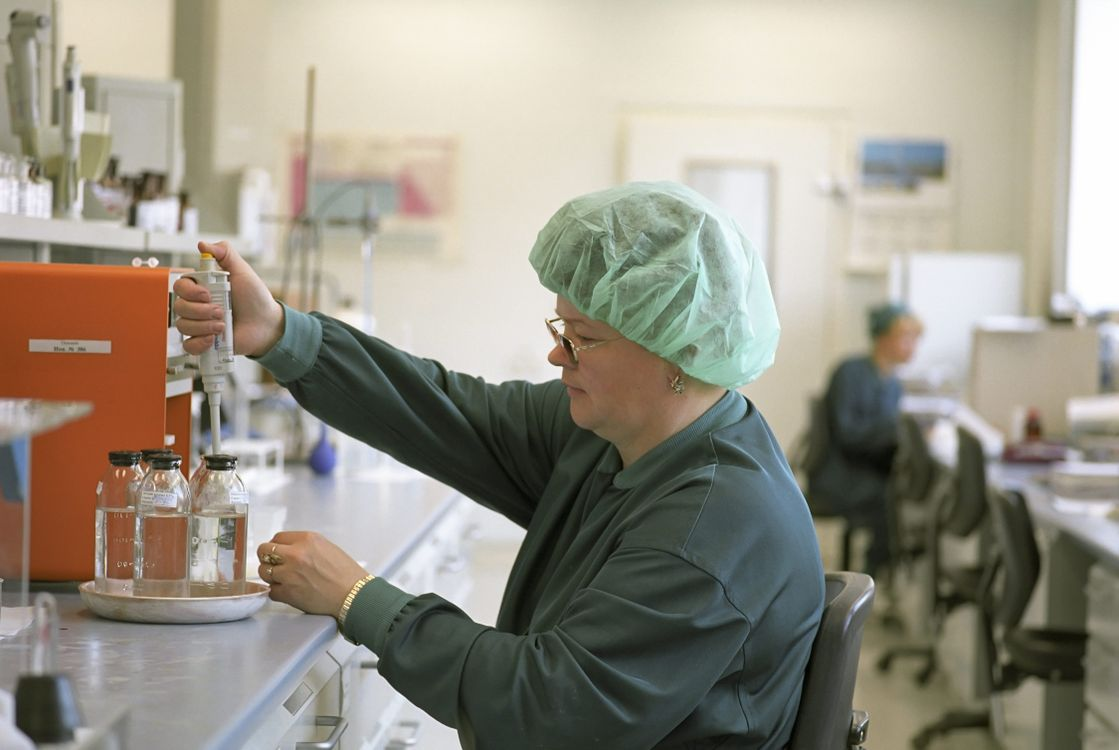
XXXX Brewery has completed a 685-square-metre quality laboratory at its historic Milton production facility in Brisbane, consolidating microbiological, analytical, and sensory testing previously carried out in separate parts of the brewery.
The project was delivered for brewery operator Lion by specialist builder Connected, with Westlab Spaces supplying laboratory furniture and infrastructure. The redevelopment replaces two laboratories with a combined technical facility within an existing heritage building.
The former arrangement required staff to move between separate testing locations while handling samples and performing routine quality checks. Some movements involved areas used by forklifts, creating additional exposure to vehicle traffic during laboratory work.
Fixed-height workstations and an inflexible layout presented further difficulties. Connected examined the working arrangements of the brewery’s microbiologists, technical specialists, and sensory assessment teams before developing a design intended to improve movement, access, and communication.
The completed facility brings those disciplines together while providing the working areas and infrastructure required for different laboratory activities. The project was designed around existing building constraints rather than creating an entirely new standalone laboratory structure.
Laboratory testing plays an important role in brewing because product consistency depends on biological processes, raw material characteristics, and the control of manufacturing conditions. Results obtained during production can identify variation requiring investigation or corrective action.
Microbiological testing is used to monitor organisms that may affect production and finished beer quality. Brewing conditions inhibit many microorganisms, but contamination by particular bacteria or wild yeasts can cause unwanted flavour changes, instability, or other product defects.
Risks can arise from ingredients, production equipment, or operations conducted after fermentation. The type and frequency of testing depend on the brewery’s hazards, process design, product specifications, and established quality procedures.
Analytical testing provides a separate means of assessing product and process characteristics. Measurements can be compared with defined specifications to establish whether beer remains within the required operating or finished-product limits.
Common brewing analyses concern properties including alcohol content, acidity, colour, and dissolved gases. These are examples of established brewing measurements; the project information does not identify the complete testing programme or particular analytical instruments installed at the new laboratory.
Sensory assessment examines characteristics that may not be captured fully through routine instrumental measurements. Trained assessors evaluate attributes such as aroma, flavour, mouthfeel, and the presence of unexpected sensory notes.
Analytical and sensory results can inform one another. Where an unexpected flavour characteristic is identified, chemical or microbiological testing may help investigate possible causes. Conversely, an unusual analytical result may prompt more detailed assessment of the product’s sensory condition.
Combining the disciplines within one laboratory can support the exchange of information between teams, provided the layout maintains appropriate separation of activities. Microbiological work, for example, requires procedures that protect samples from contamination and preserve the integrity of test results.
Sensory assessment has different environmental requirements. Strong background odours and other distractions can influence the reliability of an evaluation, making the arrangement of testing spaces and the control of surrounding conditions relevant to laboratory design.
The XXXX redevelopment was developed with these different functions in mind. Connected spent several weeks studying existing laboratory workflows, including movements between activities and the practical requirements of the personnel using the facilities.
Reducing unnecessary movement between testing locations also addresses workplace safety. Industrial breweries contain areas where vehicles, ingredients, packaging, and other materials are transferred as part of normal production operations.
Sample collection and movement remain necessary within a working factory, but consolidating laboratory functions can reduce journeys between separate work areas. The precise reduction in staff movements or exposure to forklift traffic has not been quantified in the published project information.
Westlab Spaces supplied the laboratory fitout, including benching, cabinetry, service infrastructure, and associated fittings. The equipment provides the physical working environment needed to support the different testing activities.
Laboratory furniture and services must accommodate the instruments and procedures used by staff. Access to appropriate working surfaces, water, electrical supplies, drainage, and other utilities can influence how efficiently testing activities are organised.
Ergonomic considerations were another part of the project. Fixed-height benches can be unsuitable for activities involving different equipment, working positions, or users, while the arrangement of storage and services affects access during routine operations.
The redevelopment addresses those design constraints, although the available project information does not provide a complete schedule of workstation dimensions, equipment specifications, or measured ergonomic outcomes.
Working within a heritage building added construction restrictions. Existing architectural features and building services had to be considered when creating the technical environment, with Connected adapting the design to the available structure.
The project demonstrates a different approach from constructing a separate laboratory building. Existing industrial premises can accommodate upgraded technical functions when the layout, services, and operating requirements are developed together.
Lion Brewery Director Anesh Chanerika has identified product safety and consistency as central objectives of the investment. The company has not disclosed the project cost, laboratory testing capacity, or measured changes in sample turnaround time.
Similarly, the completion of the facility does not establish that microbiological performance or finished-product quality has already improved by a measurable amount. The building and laboratory infrastructure provide the conditions for improved working arrangements, with the operational effects dependent on the procedures and equipment used after handover.
The quality system supporting an established brewery must accommodate routine production as well as investigations into unexpected results. Reliable testing depends on appropriate sampling, trained personnel, validated methods, and the timely communication of results to production teams.
The new laboratory consolidates those activities within a single facility at Milton. The completed project removes the need to operate two separate laboratory locations, while its contribution to testing efficiency and beer quality will be established through subsequent operation.