IN Brief:
- MULTIVAC introduced the F3 at interpack China 2026 in Shanghai, following development led by its Chinese engineering team.
- The Taicang-built machine combines servo-controlled drives, chain transmission, adjustable operating speeds, and a modular design.
- Commercial sales are scheduled to begin on 1 January 2027, with local service and engineering support forming part of the company's Chinese market strategy.
MULTIVAC has introduced the F3 thermoforming packaging machine, developed under the leadership of its Chinese engineering team and manufactured at the company’s Taicang facility. The equipment was unveiled at interpack China 2026 in Shanghai on 16 November, with commercial sales scheduled to begin on 1 January 2027.
The F3 is designed for the Chinese market, combining adjustable operating speeds, modular configuration, hygienic construction, and arrangements intended to simplify format changes and maintenance. Its development forms part of MULTIVAC’s strategy to manufacture equipment locally while providing engineering and service support within China.
The machine represents the first MULTIVAC packaging model developed under the full project leadership of its Chinese team. Earlier manufacturing activity at Taicang included locally produced packaging machinery, tooling, and associated components, but the F3 extends that capability into a product developed specifically around requirements identified in the domestic market.
MULTIVAC positions the machine as a balance between operating performance and acquisition cost. The company has identified medium to high-volume food packaging applications among its intended uses, although it has not published a complete specification covering maximum cycle rate, film width, forming depth, or installed power.
Its motion system combines servo-driven technology with chain transmission. The manufacturer says this arrangement supports stable operation across different production speeds, allowing machine output to be adjusted to the requirements of the packaging process.
Servo-controlled motion enables the position or speed of machine components to be regulated against a programmed operating sequence. In a thermoformer, the coordination of web transport, forming, sealing, and cutting affects how consistently individual packs are produced.
Chain transmission provides mechanical movement through the machine, with its performance dependent on appropriate tension, alignment, and maintenance. The combination of electronic control and mechanical transmission must operate consistently if the packaging web is to advance by the intended distance during each cycle.
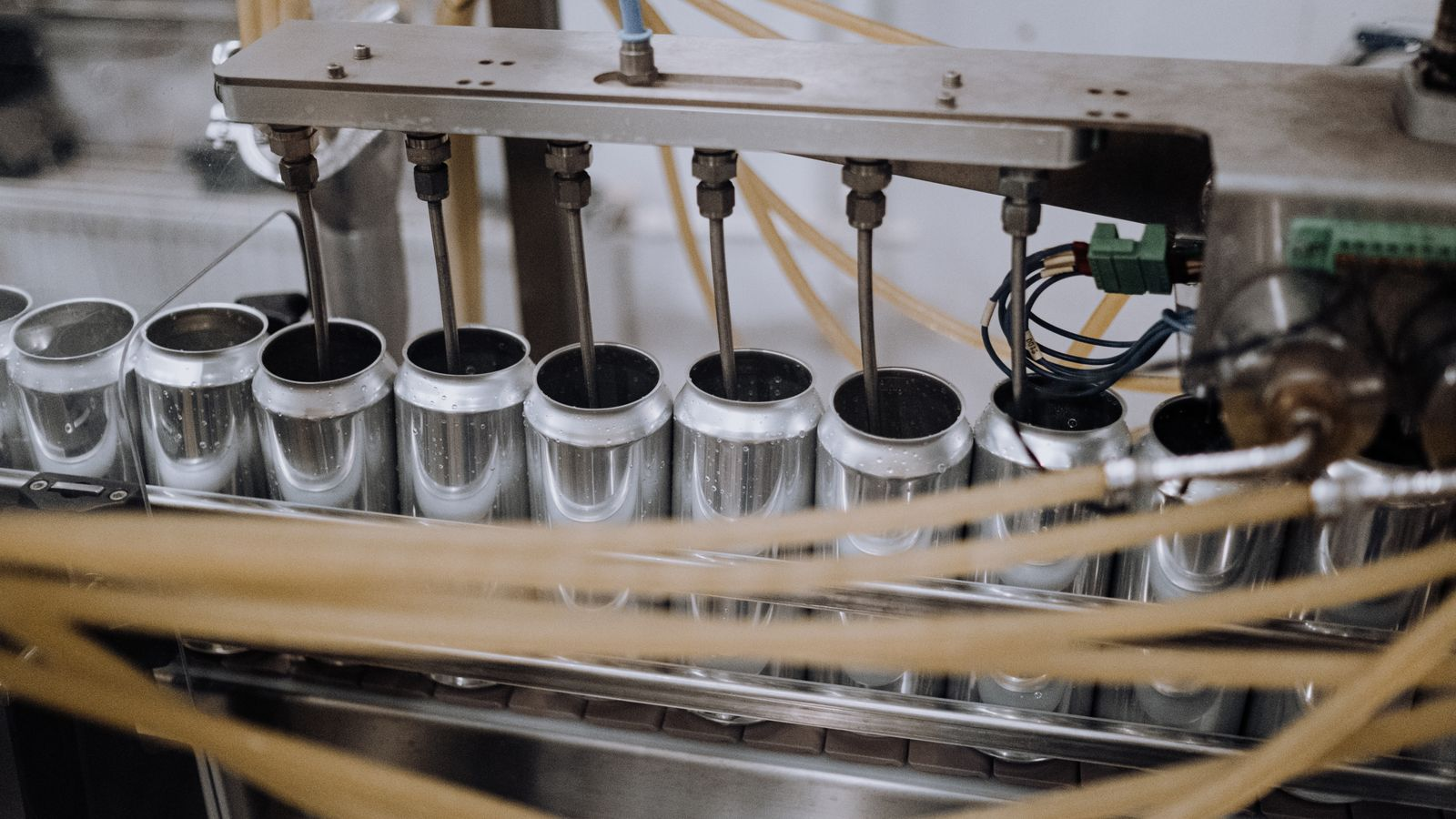
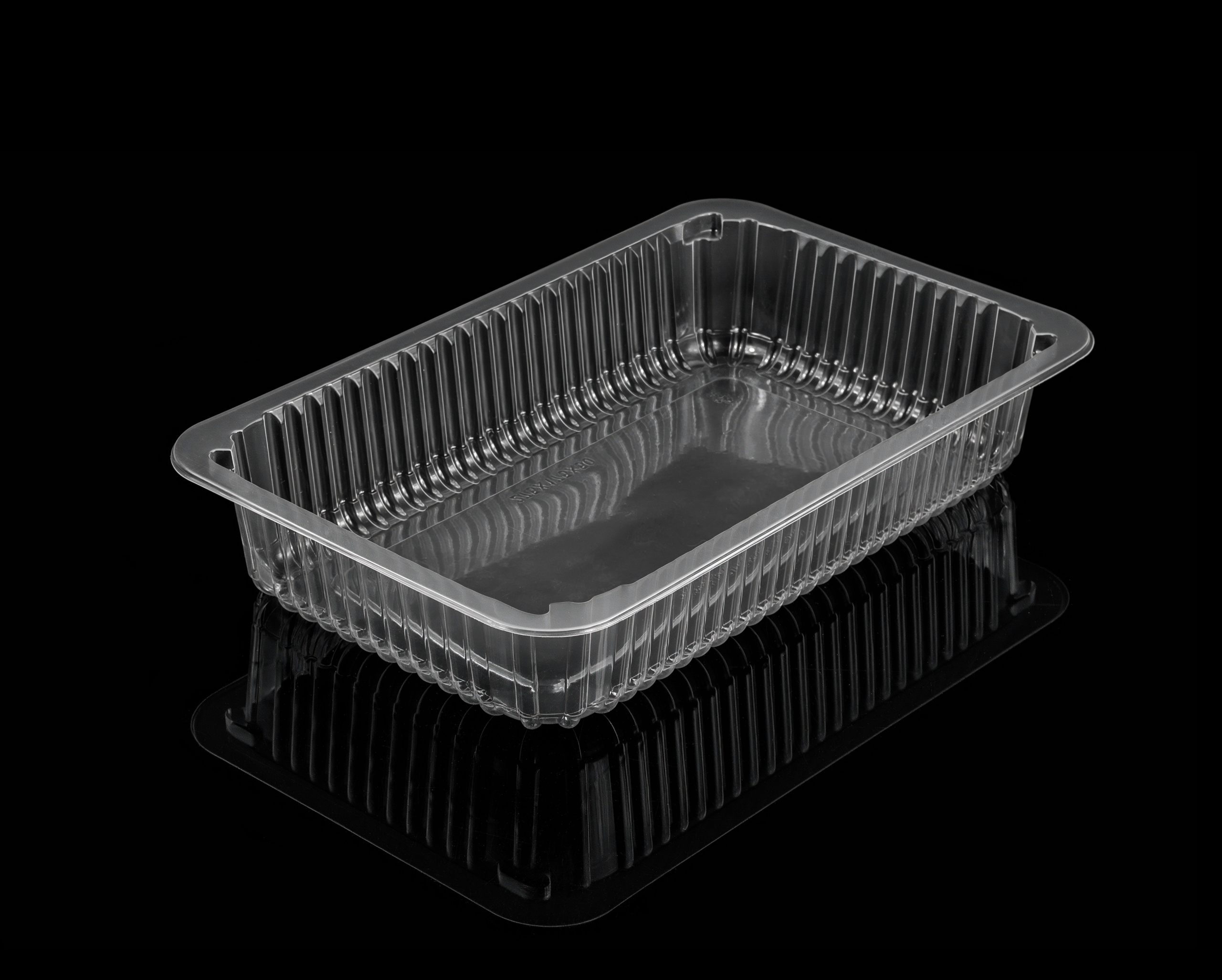
A thermoforming packaging machine produces pack cavities from a continuous lower film web. The material is transported into a forming station, where it is shaped into cavities of the required dimensions before the product is loaded.
Forming conditions depend on the material and the intended package. Film temperature, forming pressure or vacuum, cavity geometry, and material properties influence how the web stretches and whether the finished cavity meets its dimensional requirements.
Excessive stretching can produce uneven material distribution, potentially affecting the thickness and mechanical performance of the completed pack. Insufficient forming may prevent the cavity from achieving the required shape, creating problems during product loading or subsequent sealing.
The F3’s adjustable operating speed allows the machine to be set according to the production conditions, although MULTIVAC has not disclosed a numerical speed range or the maximum output achievable with particular packaging materials.
Running a thermoformer at a higher cycle rate requires the individual operations to remain compatible with the shorter time available. Forming, product loading, sealing, and cutting must each be completed within the machine’s operating sequence.
Sealing performance places particular constraints on throughput. The packaging materials must receive an appropriate combination of temperature, pressure, and contact time to establish the required seal. Changes to the film structure or product can alter those conditions.
Where packaging contains food products, seal integrity contributes to maintaining the intended pack environment and limiting unwanted contamination during subsequent handling. The required performance depends on the product, packaging format, and shelf-life conditions.
The manufacturer has not specified which vacuum or modified-atmosphere packaging configurations will be available for the F3. Those capabilities cannot be assumed across every version of the machine without a confirmed equipment specification.
Product changeovers are another focus of the design. Food packaging plants often handle several pack dimensions, materials, or product formats, requiring adjustments to tooling and operating parameters between production runs.
Changes at the forming station may involve different cavity tooling, while adjustments to sealing and cutting arrangements can also be necessary. The extent of the work depends on the packaging format and the flexibility of the installed equipment.
MULTIVAC describes the F3 as offering simplified and rapid changeovers. The company has not published a verified changeover duration or comparative results against an identified machine, so the reduction in adjustment time remains a manufacturer claim.
Modular construction provides scope to configure the machine for different applications. It may also allow changes to the equipment arrangement as production requirements develop, although the manufacturer has not identified a definitive list of F3 modules or confirmed which upgrades can be fitted after installation.
Hygienic design has been incorporated into the machine’s development. Packaging equipment used in food production must allow suitable cleaning and inspection, with the required procedures determined by the product and the conditions within the factory.
Accessible surfaces and components can simplify cleaning, while equipment geometry influences whether residues or moisture accumulate in areas that are difficult to reach. The effectiveness of sanitation nevertheless depends on validated cleaning procedures and appropriate maintenance.
The F3 has also been designed with easier servicing in mind. Maintenance accessibility affects how quickly technicians can inspect components, address wear, and return equipment to an appropriate operating condition.
Drive components and transmission systems require attention because deterioration can influence machine positioning and mechanical reliability. The published F3 information does not provide component service intervals or independently measured maintenance cost reductions.
MULTIVAC’s Taicang facility provides the manufacturing base for the new model. Established in 2019, the operation has developed machining, tooling, equipment assembly, and engineering capabilities intended to support Chinese customers.
Manufacturing a locally developed machine within that network can shorten the organisational distance between product engineering, production, service personnel, and customers. The extent of any commercial benefit will depend on component availability, the service arrangement, and the requirements of individual installations.
MULTIVAC has also emphasised the role of its Chinese service network in supporting the F3. Local technical assistance can support installation, commissioning, maintenance, and adjustments after the machine enters production, although specific response times and service commitments have not been disclosed.
The operating cost of a thermoforming machine depends on several factors beyond purchase price. Material consumption, equipment utilisation, production speed, format changeover requirements, maintenance, and the proportion of acceptable finished packs all influence the cost of packaging individual products.
No independently verified energy consumption, material savings, lifecycle cost, or production efficiency figures have been published for the F3. Such comparisons require testing under defined operating conditions using suitable packaging materials and product formats.
The machine was presented during interpack China, held from 16 to 18 November, ahead of its planned commercial introduction on 1 January 2027. MULTIVAC has not confirmed customer installations, contracted orders, or factory acceptance results for the production model.
The launch establishes a new locally developed equipment platform within MULTIVAC’s Chinese operation. Its commercial performance will depend on the configurations offered from January and the results achieved when the machinery is installed and validated on customer packaging lines.