IN Brief:
- Fooditive plans to establish its US headquarters in Rochester following a US$500,000 Grow-NY competition award.
- The company reports letters of intent with two New York food processors and a university, with initial partner trials planned for 2027.
- Its licensing portfolio includes rare sugar and fermentation-derived casein technologies, with production intended to use existing industrial infrastructure.
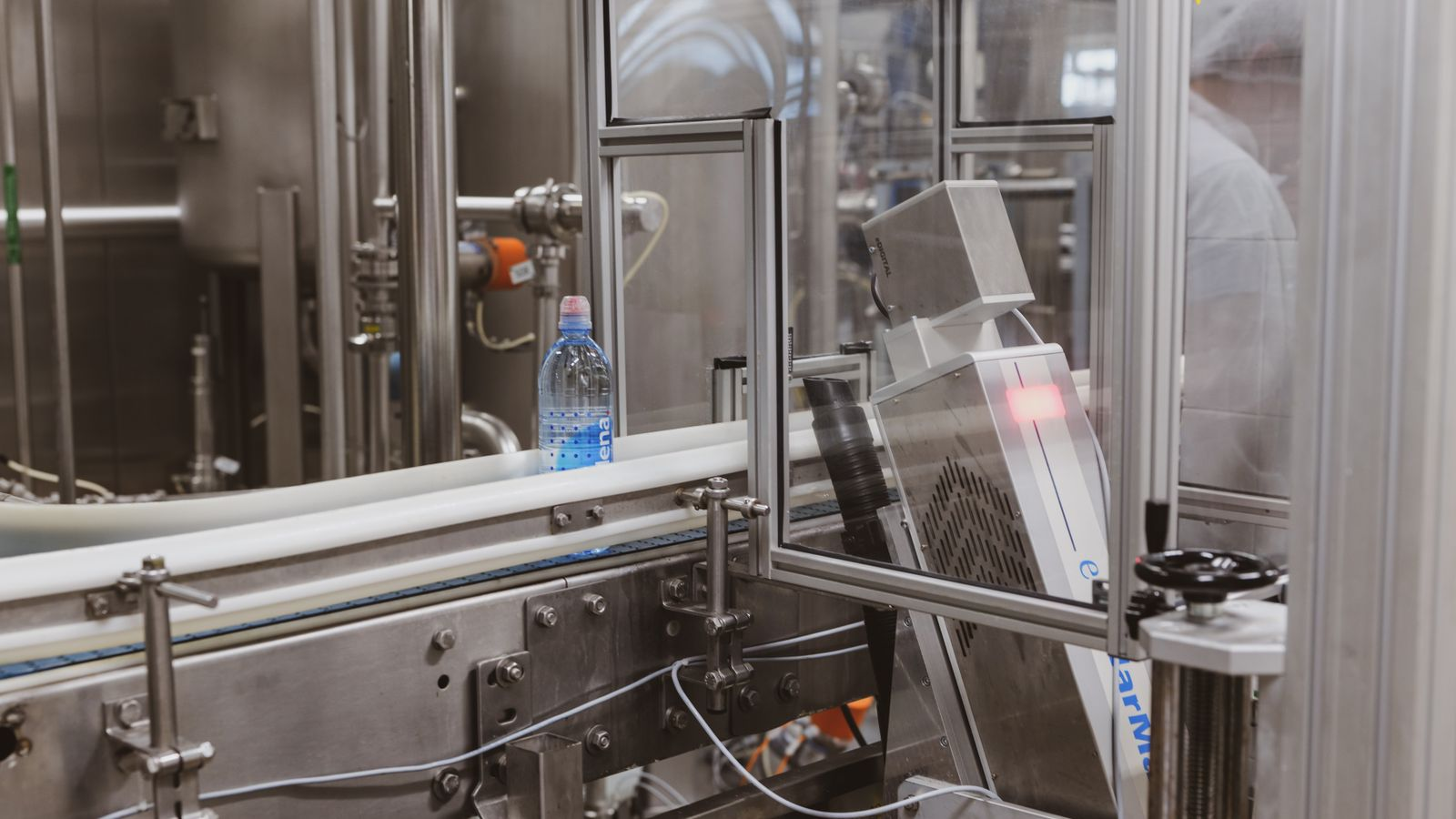
Dutch industrial biotechnology developer Fooditive plans to establish its American headquarters in Rochester, New York, as it develops manufacturing partnerships for its fermentation technologies. The company intends to use existing food processing infrastructure rather than construct dedicated production facilities, with dairy and fruit processing side streams identified as potential manufacturing feedstocks.
The plans, detailed on 24 November, follow Fooditive’s second-place finish at the Grow-NY Food and Agriculture Business Competition on 13 November, securing a US$500,000 award. Its American subsidiary, Fooditive United, is being established, with founder and chief executive Moayad Abushokhedim intending to relocate to Rochester in January 2027.
Fooditive reports having signed letters of intent with two New York food processors and a university. Its development timetable includes initial recruitment during the first quarter of 2027, followed by research activities and an initial manufacturing partner trial during the second quarter.
The company’s manufacturing model centres on licensing its production processes, microbial strains, and associated technical protocols to established manufacturers. Where a prospective partner lacks appropriate production infrastructure, Fooditive can arrange manufacturing through a contract development and manufacturing organisation.
Its principal technologies include 5-keto-D-fructose, a rare sugar marketed under the Ketose name, and casein produced through precision fermentation. Fooditive reports previous casein fermentation runs at 10,000-litre scale and cumulative Ketose production involving 75,000 litres, providing a basis for transferring its technologies into additional industrial settings.
These figures describe previous fermentation activity rather than the production capacity of any proposed American operation. Commercial transfer will require the processes to be reproduced using the equipment, operating conditions, and downstream recovery systems available to individual manufacturing partners. Technology transfer also requires expenditure on process development, equipment adaptation, validation, and operational training.
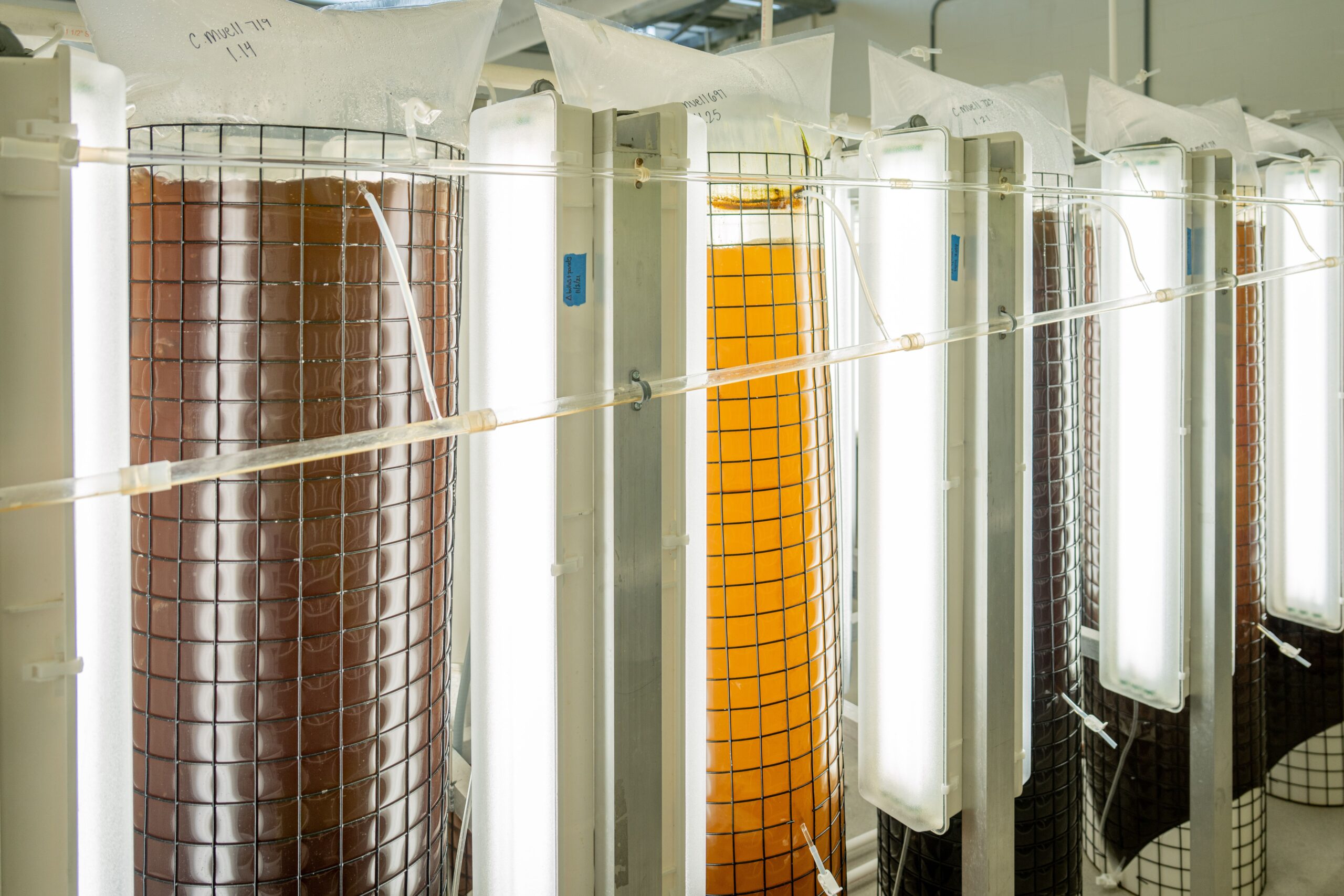
Fooditive’s rare sugar is produced by fermenting fructose using a proprietary strain of Gluconobacter oxydans, followed by purification. Its published powder specification identifies a minimum purity of 98.5%, sweetness approximately 70% that of sucrose by weight, and an energy value of 1.5 kilocalories per gram.
Unlike high-intensity sweeteners used at relatively low concentrations, bulk sugar alternatives must account for the structural contribution made by sucrose within food formulations. Sugar influences water activity, viscosity, crystallisation, freezing behaviour, and texture, with different combinations of these properties required across bakery, confectionery, beverage, and frozen food applications.
Fooditive also specifies that its rare sugar undergoes less browning than sucrose. This characteristic can influence product appearance and flavour development during thermal processing, particularly in bakery applications where caramelisation and other browning reactions contribute to the finished product.
The company’s casein technology addresses a different set of formulation requirements. Casein proteins contribute to the structure of conventional dairy products, interacting with water, minerals, and fats to influence characteristics including viscosity, texture, and the melting behaviour of cheese.
Fooditive’s commercialisation arrangements for casein include a previously disclosed licensing partnership with American dairy manufacturer Leprino Foods. The 2024 agreement granted Leprino exclusive worldwide production rights using Fooditive’s technology, alongside exclusive marketing and distribution rights for cheese applications and non-exclusive rights across other food uses.
The Rochester strategy introduces opportunities to connect these biotechnology activities with agricultural materials already handled by regional food manufacturers. Fooditive has identified acid whey from yoghurt production and apple processing residues as potential sources of fermentation feedstocks.
Acid whey contains lactose, minerals, and organic acids, while fruit processing residues can contain recoverable sugars alongside insoluble plant material. Their suitability for fermentation depends on the concentration and accessibility of the required substrates, as well as the preparation and separation processes needed before conversion.
Recovering these materials for ingredient production could reduce dependence on separately purchased fermentation substrates. The resulting economics would depend on feedstock variability, conversion yields, purification expenditure, and the costs associated with collecting and preparing the material.
Fooditive reports self-affirmed Generally Recognized as Safe determinations and submissions to the US Food and Drug Administration for its principal ingredient technologies. The submission of a GRAS notice does not itself establish that the agency has completed its assessment.
As outlined in Fooditive’s earlier manufacturing partnership strategy, the developer intends to expand production through established industrial operators. Its Rochester programme now provides a geographical base for that work, with the first planned partner trials in 2027 intended to establish the practical requirements of manufacturing its ingredients within New York’s existing processing infrastructure.