IN Brief:
- SPC Global has increased its Mill Park manufacturing transition budget from A$2.6m to A$5.9m.
- The expanded project incorporates hot-fill equipment supporting the production of beverages with extended shelf lives.
- The revised business case anticipates annualised cost reductions of A$11m and revenue growth benefits of A$2m.
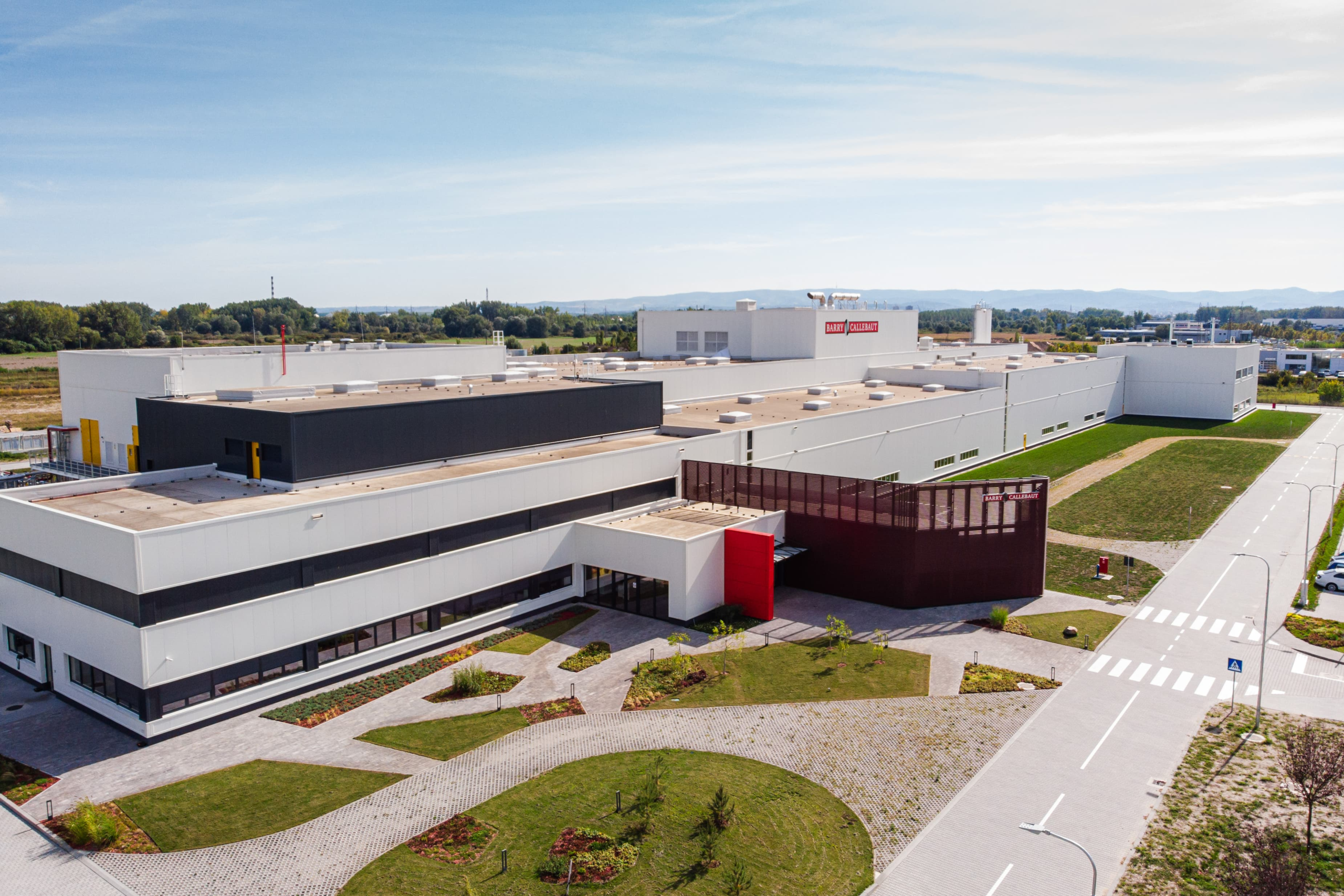
Australian food and beverage manufacturer SPC Global has increased the capital budget for its juice manufacturing consolidation programme from A$2.6 million to A$5.9 million. The expanded project incorporates the relocation of hot-fill equipment from Mill Park to Shepparton in Victoria, supporting the group’s plans to increase international juice sales and utilise more of its existing manufacturing infrastructure.
The revised investment, disclosed in a stock exchange filing on 24 November, accompanies the closure of SPC’s Mill Park juice manufacturing facility. Production previously undertaken at the site is being divided between the group’s Shepparton factory and external manufacturing capacity in Griffith, New South Wales.
Manufacturing of Juice Lab Wellness Shots has already transferred to Shepparton, while production of Woolworths own-brand juice has moved to the Griffith contract manufacturer. The additional decision to retain and relocate Mill Park’s hot-fill equipment gives SPC greater control over the production of selected beverages with extended shelf lives.
The revised business case anticipates annualised cost reductions of A$11 million, alongside annualised revenue growth benefits of A$2 million. The wider transition also involves one-off expenditure of A$7.2 million, of which A$2.3 million represents non-cash costs. SPC expects the manufacturing changes to contribute approximately A$8 million in EBITDA benefits during its 2027 financial year.
Including the hot-fill equipment increases the project’s capital requirements by A$3.3 million against its original budget. Its commercial rationale extends beyond the savings associated with closing Mill Park, retaining manufacturing capability that can support additional juice formulations and international distribution.
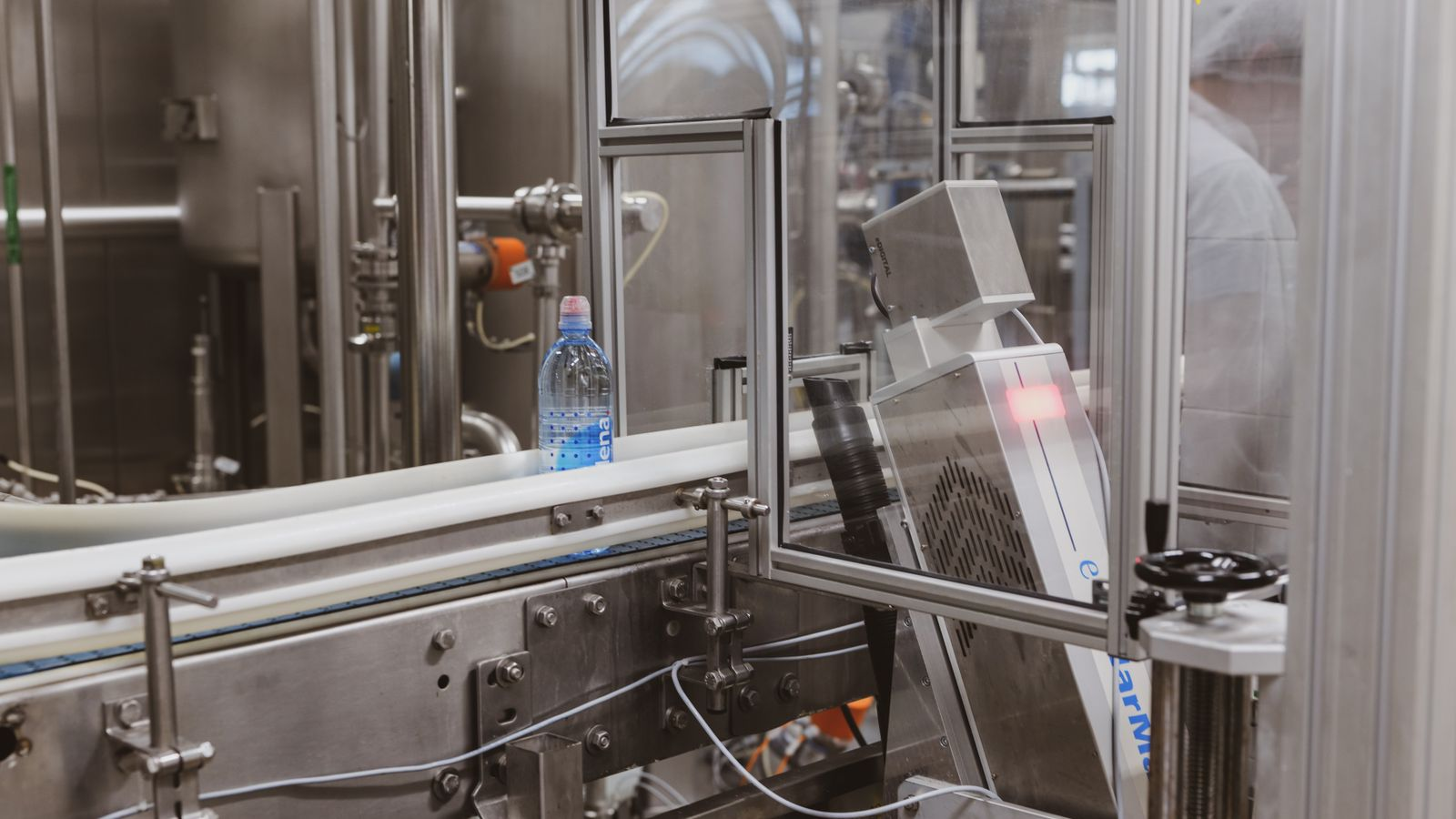
Hot filling allows suitably formulated beverages to be introduced into containers at elevated temperatures. The thermal process, filling conditions, and closure system work together to control microbiological risks, with the required temperature and exposure time determined by factors including product acidity, composition, and intended storage conditions.
Heat exposure must also be managed against the sensory and nutritional requirements of the beverage. Fruit pigments, flavour compounds, and certain nutrients can deteriorate during thermal processing, making control of heating, filling, and subsequent cooling important to the consistency of the finished product.
Packaging materials must withstand the corresponding thermal and mechanical conditions. Containers can undergo dimensional changes during filling and cooling, while closures must maintain their integrity throughout processing, distribution, and storage. The design of the packaging and the operating characteristics of the filling line consequently influence which products can be manufactured using the equipment.
Extended shelf life gives SPC more time to move finished beverages through international distribution networks, including ocean transport, customs clearance, and regional warehousing. Whether individual products also require refrigerated distribution will depend on their formulation, validated processing conditions, and packaging specifications.
The group has secured retail listings in several Asian markets, including China, South Korea, Japan, Singapore, and Malaysia. It is targeting A$15 million in additional international juice sales over the next three years, with the expanded manufacturing capabilities at Shepparton intended to support that growth.
Domestic performance also supports the revised investment programme. SPC reported growth of 11.5% in chilled juice sales during the first quarter of its 2027 financial year, while sales over the moving annual period increased by 10.6%, against wider category growth of 3%.
Concentrating additional production at Shepparton allows the group to distribute factory overheads across a broader manufacturing portfolio. Shared infrastructure, including process utilities, maintenance resources, quality assurance facilities, and materials handling equipment, can support additional production without necessarily requiring equivalent increases in fixed expenditure.
The relocation still requires an engineering programme to integrate the equipment into its new operating environment. The receiving facility must accommodate the line’s utility requirements, physical dimensions, product flows, and control interfaces, alongside its relationship with existing upstream processing and downstream packaging operations.
Commissioning must subsequently establish that the relocated equipment can reproduce the processing conditions and package integrity required for each intended beverage. Existing production capability at Mill Park does not remove the need to validate the performance of the line following installation at Shepparton.
Contract manufacturing in Griffith will remain part of SPC’s production network, allowing the group to allocate juice products between internally operated equipment and external capacity. The revised structure therefore combines manufacturing consolidation with continued access to third-party production capabilities.
SPC expects to complete the Mill Park transition by the end of the second quarter of its 2027 financial year. The group has not disclosed the annual capacity of the relocated hot-fill line, with its eventual contribution dependent on the international volumes secured and the utilisation achieved across the expanded Shepparton operation.