IN Brief:
- The agreement covers a 70% ownership interest in Dr Suwelack.
- The company employs approximately 480 people at its Billerbeck manufacturing site.
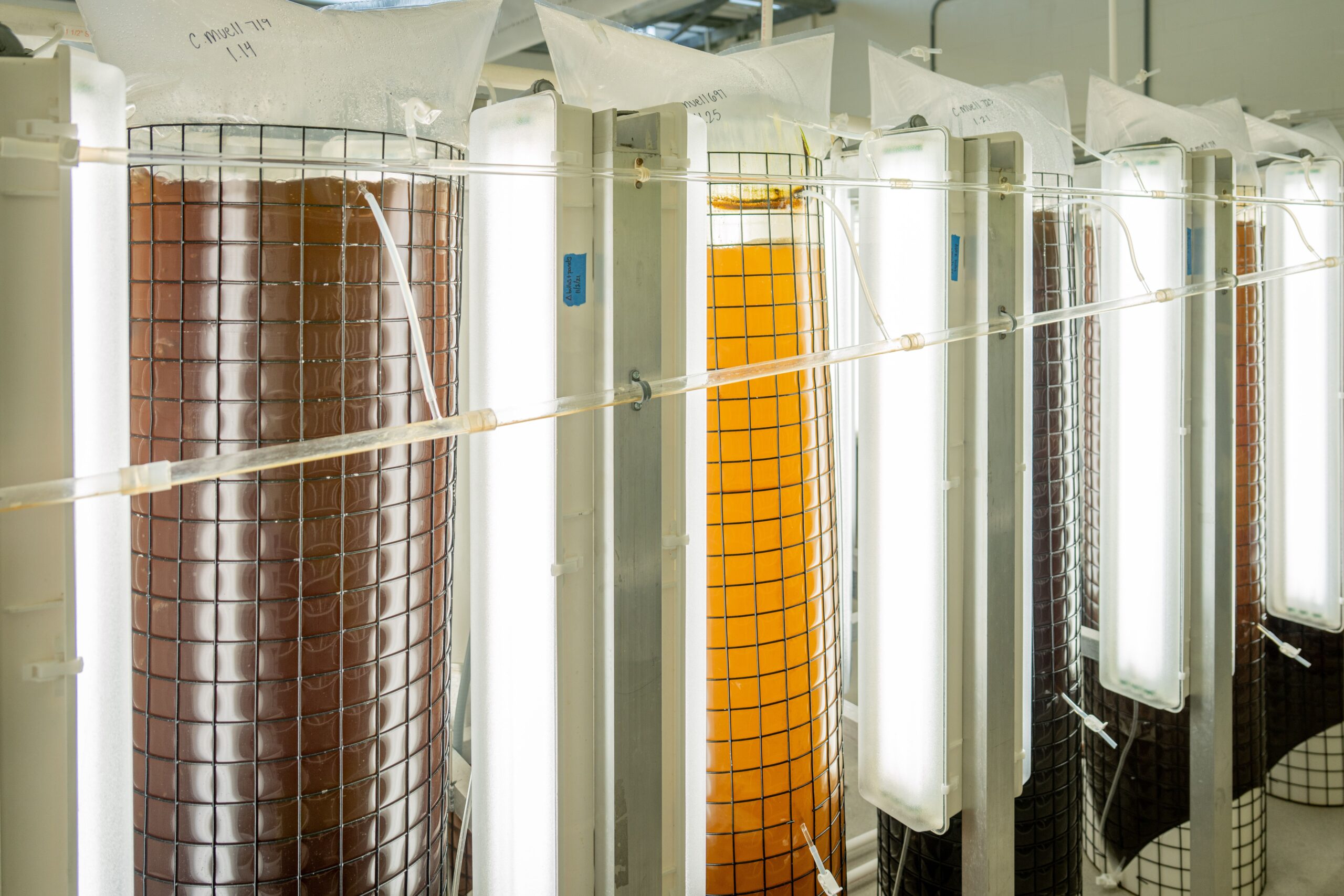
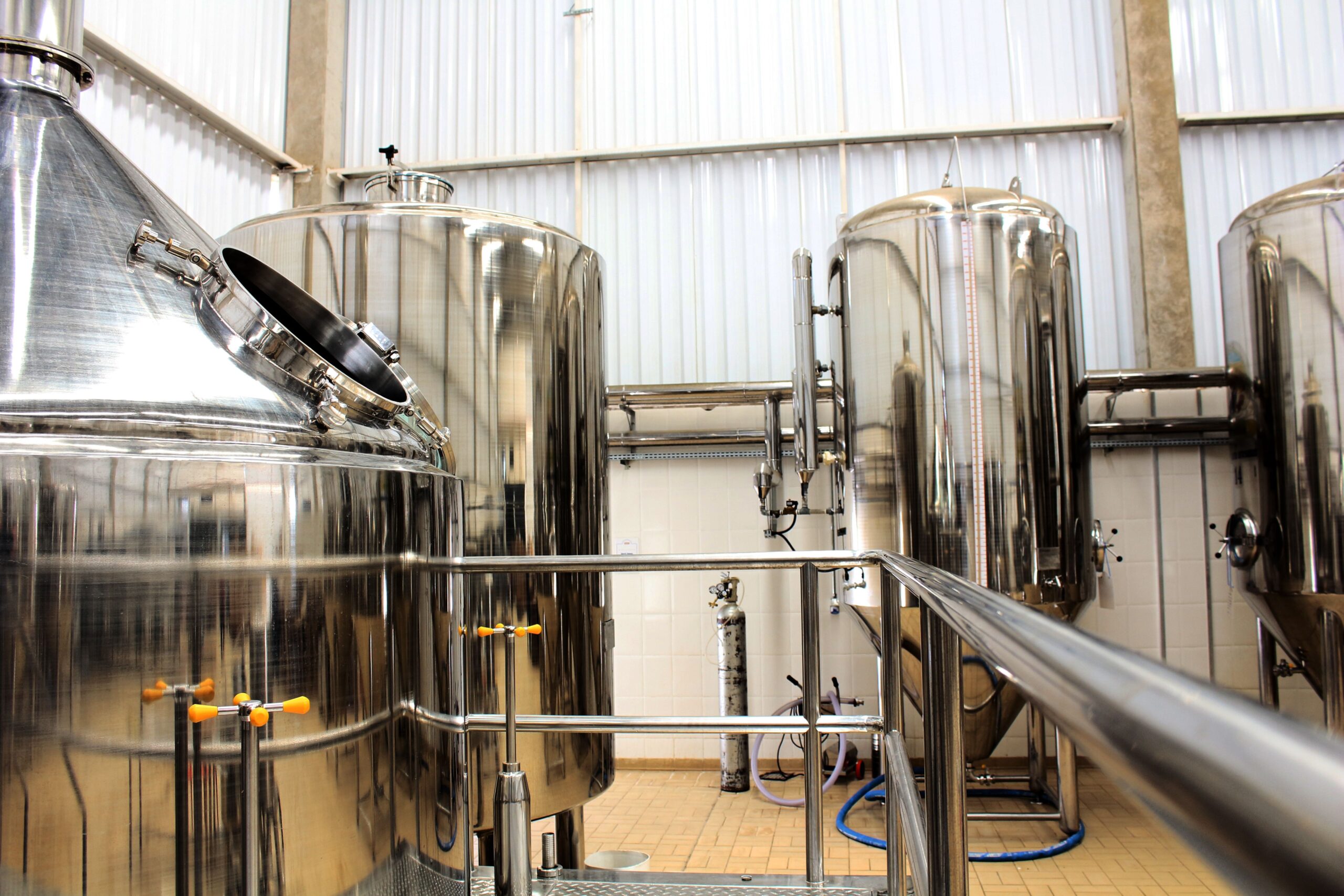
- Its processing operations include fermentation, extraction, spray drying, drum drying, and freeze-drying.
German ingredients manufacturer Dr Suwelack is set to change majority ownership after Afendis Capital Management and Davidson Kempner Capital Management agreed to acquire a combined 70% interest in the business, which generated more than €130m in revenue in 2025.
Established in 1884, the company employs approximately 480 people at its manufacturing site in Billerbeck, North Rhine-Westphalia. The acquisition marks the investment companies’ first joint transaction in Germany and their first joint move into specialist food ingredients.
Suwelack supplies industrial customers with processed coffee, dairy, bakery, and plant-based ingredients. Its manufacturing operations encompass fermentation, extraction, and several drying processes, allowing the company to convert liquid and solid raw materials into ingredients with distinct physical and functional characteristics.
Its bakery business, for example, offers more than 30 varieties of dried sourdough under the SUGRANO name. The company cultivates its own starter cultures and adapts fermentation conditions to individual product specifications, developing different flavour and acidity profiles before stabilising the ingredients through drying.
Acidity and fermentation metabolites influence bread flavour and can affect the behaviour of dough during processing. An ingredient containing dried fermented material allows a bakery to introduce these characteristics without necessarily replicating the complete fermentation process within its own factory. The functional contribution of a particular sourdough ingredient depends on its composition and the treatment it receives during manufacture.
When a bakery transfers a recipe between production lines, the time available for dough development, proofing, and baking may differ between factories, even when the intended finished product is identical. Specifying a fermented ingredient with controlled characteristics can reduce variation in one part of the formulation, leaving the bakery to establish suitable processing parameters for its own equipment.
At Billerbeck, the range of drying technologies allows Suwelack to select processes according to the raw material and the characteristics required of the finished ingredient. Spray drying converts liquid feedstocks into powder by atomising them in a heated chamber. The resulting particle size and moisture content influence flow, dispersibility, and storage behaviour, making the drying process integral to how the material performs in a customer's factory.
Drum drying produces a different form of ingredient. A layer of material is spread across a heated rotating surface, dried, and removed mechanically, creating flakes that can subsequently be processed. Control of film thickness and surface temperature affects the rate of moisture removal and the amount of thermal exposure experienced by the material.
Freeze-drying is suited to ingredients where the preservation of structure or temperature-sensitive compounds is particularly important. Suwelack freezes selected raw materials at approximately minus 50°C and removes water under vacuum. During the primary drying stage, ice sublimates, avoiding the need to evaporate liquid water at conventional drying temperatures. Refrigeration, vacuum systems, and the time occupied by each batch nevertheless contribute to the cost of production.
The company's coffee operations illustrate how extraction and drying are combined within an ingredient manufacturing system. The composition of the liquid coffee extract and the conditions under which volatile compounds are recovered and retained influence the characteristics of the finished soluble product. Equipment selection must therefore account for the preservation of aroma alongside the quantity of water removed.
Across these processes, the value of the finished ingredient depends partly on the manufacturer's ability to maintain consistency between different batches of agricultural raw materials. Suwelack operates its own analytical and microbiological laboratory, providing quality control capabilities alongside the manufacturing operations. Variations in moisture, acidity, particle size, and microbiological characteristics can affect both ingredient acceptance and downstream processing.
The acquisition also follows investment activity elsewhere in Europe's specialist ingredients sector, including the proposed majority acquisition of Italian fruit ingredients producer Di Bartolo. Businesses operating between agricultural producers and finished food manufacturers provide processing capacity as well as formulation expertise, and their products frequently become incorporated into customer specifications that require formal validation before a substitution can be made.
Maintaining and expanding those capabilities requires different investment decisions from those associated with a finished food brand. Fermentation capacity, drying equipment, laboratory infrastructure, and utilities may all determine the types and quantities of ingredients a supplier can produce. Where a business operates from a single manufacturing site, production continuity and the availability of specialist process equipment also have direct consequences for customers using its ingredients.
The proposed transaction places Suwelack's existing manufacturing and product development operations within a new ownership structure. The investors have not disclosed the purchase price or a specific programme of capital expenditure at Billerbeck, and the agreement does not itself establish additional production capacity.