IN Brief:
- Uncrustables net sales rose 15% in the second fiscal quarter, driven by double-digit volume and mix growth.
- Smucker expects insufficient manufacturing capacity to satisfy demand in the second half of fiscal 2027.
- The second phase of the McCalla expansion is scheduled to enter operation towards the end of fiscal 2027.
The J.M. Smucker Company expects production capacity to constrain sales of its Uncrustables frozen sandwiches during the second half of fiscal 2027, following a 15% increase in quarterly net sales for the brand. Additional manufacturing infrastructure at McCalla, Alabama, remains on schedule to enter operation towards the end of the financial year.
The increase in second-quarter sales was driven by double-digit growth in volume and product mix. Smucker’s management told investors on 24 November that existing production capacity would be insufficient to satisfy continued demand during the remainder of the fiscal year, although it still expects Uncrustables net sales to grow by approximately 10% for the full year at group level.
The Alabama operation is the third dedicated manufacturing facility for the frozen sandwich brand, alongside sites in Scottsville, Kentucky, and Longmont, Colorado. Smucker celebrated the opening of the McCalla factory in November 2024 after announcing a $1.1bn manufacturing and distribution investment in 2021. The project was designed to be developed in phases, allowing subsequent equipment installations to increase output as demand grew.
The second phase has become particularly important as sales growth outpaces the available supply from the existing network. Management says it continues to achieve operating efficiencies at established facilities, but expects the additional Alabama capacity to make its more significant contribution in fiscal 2028.
A frozen sandwich manufacturing operation brings together bakery production or bread preparation, filling, assembly, forming, packaging and freezing. Increasing the rate at which sandwiches leave the forming equipment will only increase finished product output if the preceding and subsequent operations can sustain the same production rate. Buffering between machines can compensate for short interruptions, but cannot indefinitely absorb a persistent difference in capacity.
Bread handling is one of the more demanding mechanical aspects of automated sandwich assembly. Soft products can deform under pressure, and variations in thickness or position affect the alignment of subsequent operations. Controlled product presentation is important when separate bread components must meet around a filling and form a consistent seal. Changes to handling speed must preserve the positioning accuracy required by the assembly system.
Filling characteristics also influence the available production rate. Spreads with different viscosities and flow behaviour require suitable pumping and depositing arrangements, with the temperature of the filling affecting the repeatability of each portion. Accurate dispensing helps prevent material from entering areas intended for sealing. Changes in throughput may require adjustments to metering, product spacing and the timing of mechanical movements.
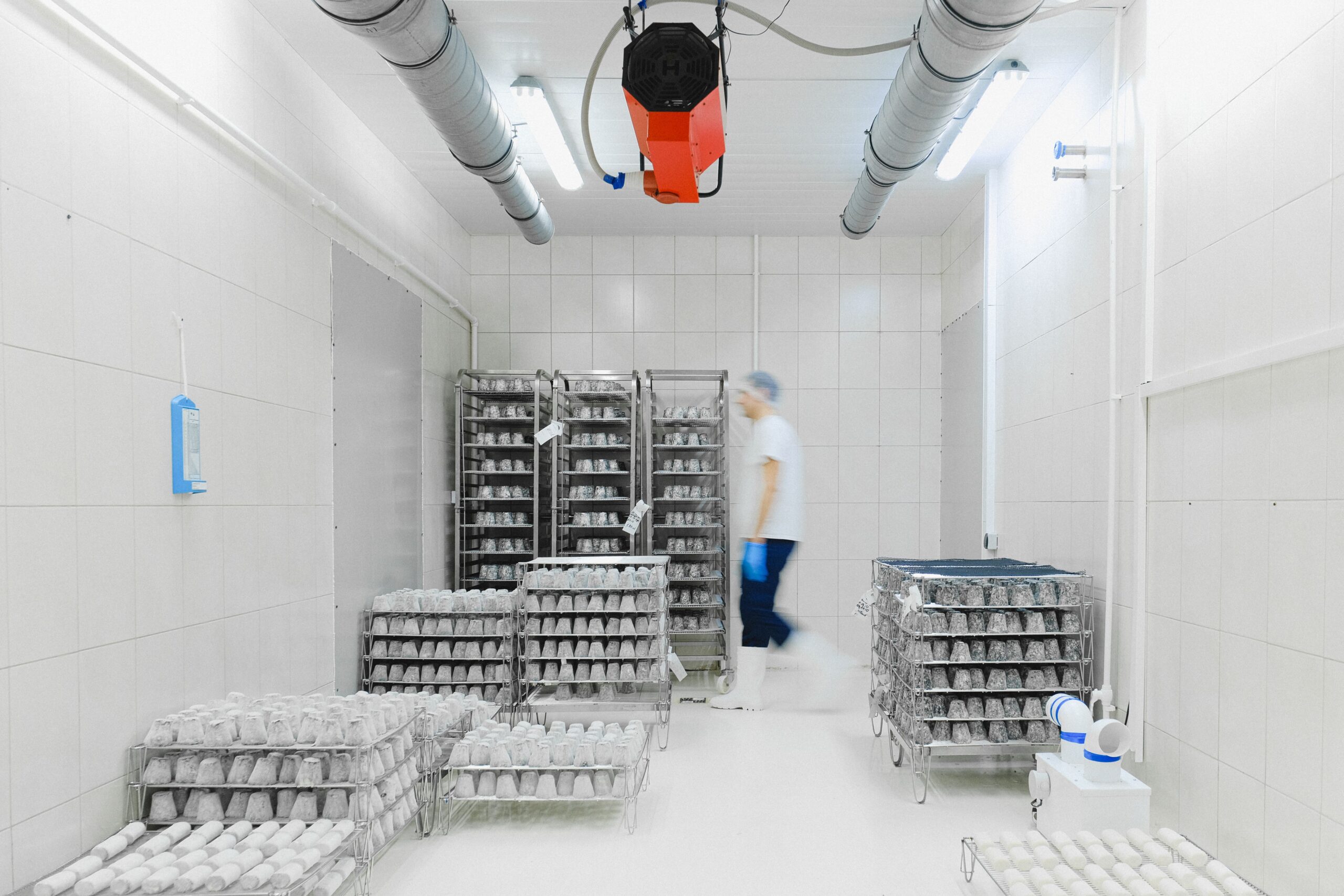
Freezing can place a substantial constraint on throughput because each product introduces a thermal load into the refrigeration system. That load is influenced by incoming product temperature, composition, mass and production rate. The freezer must provide sufficient heat transfer and residence time to bring the product to the required condition. Raising conveyor speed alone can reduce residence time and produce an inconsistent result if refrigeration capacity is unchanged.
Improvements in airflow, product spacing and equipment utilisation can increase the effective capacity of existing systems. The opportunities depend on the configuration and operating conditions of each factory. Where available refrigeration capacity is already fully utilised, a larger throughput increase may require additional equipment, insulated space and electrical distribution infrastructure.
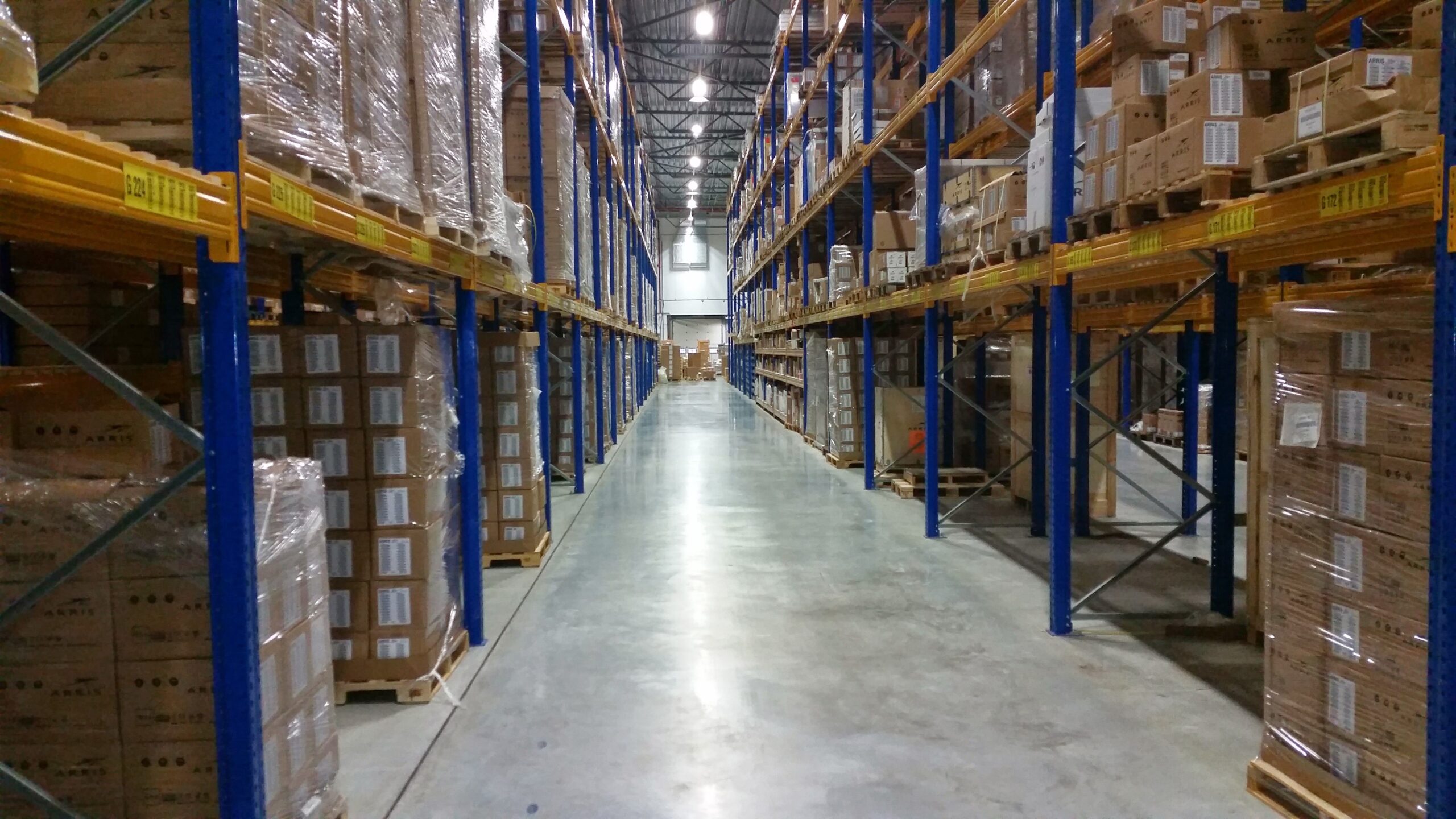
The manufacturing network must also accommodate finished product storage and distribution. Automated packaging systems, case handling and palletisation need to keep pace with upstream production, while warehouses must have sufficient space and handling capability to move finished inventory through the frozen supply chain. A disruption in downstream operations can require production to slow even when the forming and freezing equipment remains available.
Phased factory expansion allows manufacturers to install additional capacity without committing immediately to every element of a large capital programme. It also introduces dependencies between existing production operations and new infrastructure. Utilities, maintenance access, material movement and hygiene arrangements must remain effective while subsequent phases are being completed.
A newly installed line will normally progress through mechanical commissioning, product trials, quality validation and operator training before operating consistently at its intended commercial rate. Manufacturing planning therefore needs to account for the difference between equipment becoming operational and its ability to sustain routine volumes across the intended product range.
Smucker has not disclosed the individual process improvements supporting higher output at its established sites or the rated production capacity of the second McCalla phase. The company expects to continue growing Uncrustables sales during the remainder of the financial year, with the Alabama expansion providing additional supply for the following period. The timing leaves its existing manufacturing network carrying the immediate burden of demand growth.