IN Brief:
- A.G. Barr has completed its Cumbernauld manufacturing refresh and says summer supply constraints have been resolved.
- First-half capital expenditure increased to £23.4 million as Cumbernauld and Milton Keynes investment programmes overlapped.
- Revenue rose 8.5% to £247.4 million despite supply disruption estimated to have cost approximately £10 million in lost sales.
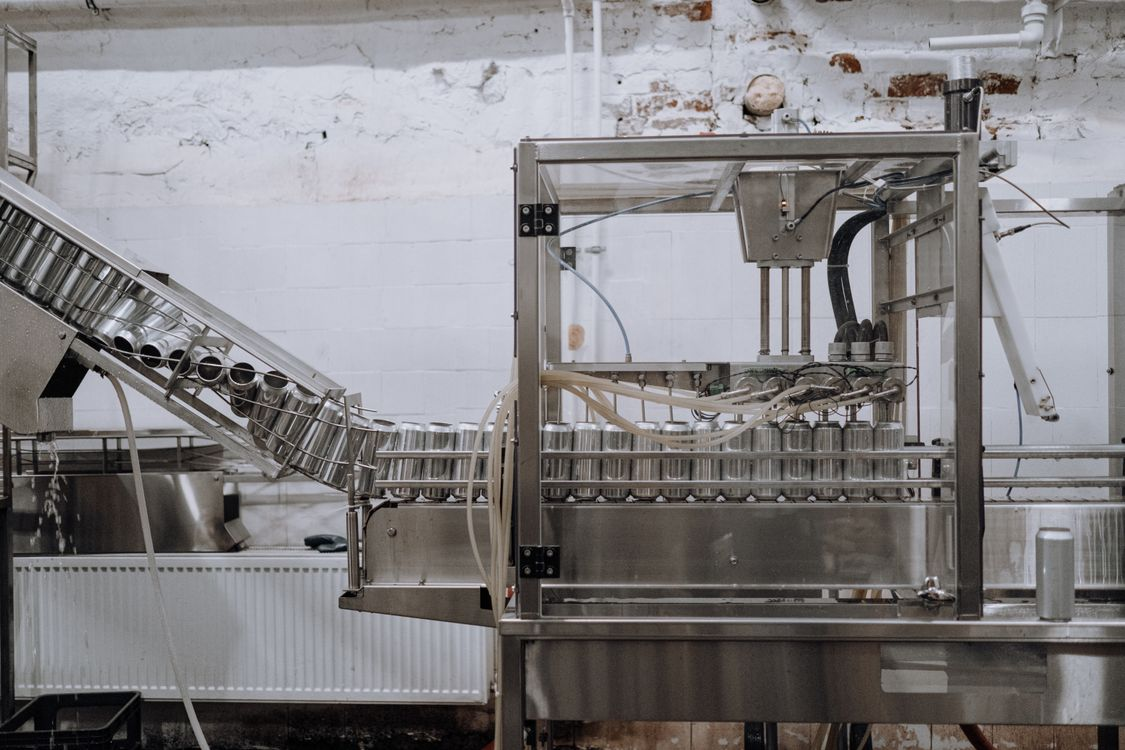
A.G. Barr has completed its manufacturing line refresh programme at Cumbernauld as the drinks group moves beyond supply constraints that reduced product availability during its peak summer trading period.
The company said stock availability and customer service are normalising during the second half, while its planned manufacturing expansion at Milton Keynes is progressing to plan. The two programmes overlapped during what A.G. Barr describes as a peak year for capital investment, with first-half capital expenditure reaching £23.4 million compared with £11.0 million in the equivalent period last year.
Full-year capital expenditure remains expected at around £40 million, against £30.4 million in the previous financial year. The Cumbernauld work and the start of the Milton Keynes expansion account for a significant part of that increase, combining renewal of existing capability with additional capacity.
The operational progress follows a difficult second quarter in which reduced stock availability affected customer deliveries and shelf availability. A.G. Barr had previously estimated the first-half revenue impact at approximately £10 million, with internal issues associated with capability and capacity changes compounded by disruption involving third-party manufacturing.
The latest results retain that estimate but add the completion milestone that was absent from the earlier update. A.G. Barr said most of the Cumbernauld operational change programme has now been completed, giving the business greater confidence in the stability and efficiency of its supply arrangements through the remainder of the financial year.
Boost Sports production was insourced into the Cumbernauld factory by the end of the first half. Bringing externally produced volumes into an established manufacturing site can increase control over planning, quality, and availability, but the transition also has to be absorbed alongside the existing line portfolio. The summer disruption exposed the operational pressure created when several changes to manufacturing capability, capacity, and external supply are managed at the same time.
The Milton Keynes programme is now the next major manufacturing step. A.G. Barr has not indicated any change to its timetable or budget, and the expansion remains on track. With Cumbernauld moving out of the intensive refresh phase, the group enters the second half with less overlap between two major operational programmes than it carried during the first six months.
Revenue for the 26 weeks ended 1 August increased 8.5% to £247.4 million, compared with £228.1 million a year earlier. Adjusted profit before tax increased 2.6% to £36.1 million and adjusted operating margin remained at 15.0%. Statutory profit before tax fell 3.7% to £33.9 million, principally reflecting one-off costs associated with the integration of Fentimans.
The results indicate that the manufacturing disruption constrained a drinks portfolio that continued to grow. Circana data cited by A.G. Barr showed company value growth of 7.2% during the first half compared with 6.7% for the wider soft drinks market. IRN-BRU finished the period growing ahead of the carbonates market in England and Scotland, while Boost continued to expand through grocery and new hydration products.
Recent acquisitions have added another layer to the operating programme. Integration of Fentimans and Frobishers was completed during the first half, with operational efficiencies and cost synergies expected to contribute during the second. Combining those businesses with manufacturing insourcing places additional emphasis on whether the enlarged portfolio can be produced, planned, stocked, and distributed without recreating the bottlenecks seen during the summer.
The financial effect of the investment is visible on the balance sheet. A.G. Barr closed the half with net bank debt of £47.0 million, compared with £41.3 million of net cash at bank in the prior-year period. The company attributes the movement primarily to acquisition expenditure, working capital, and the capital programme, including a £53.4 million cash outflow associated with the Fentimans and Frobishers acquisitions.
Higher capital spending increases the pressure to convert new capacity into reliable output. Equipment creates value only when lines reach planned rates, products transfer cleanly, maintenance is controlled, and the surrounding warehouse and distribution operation can handle the extra volume. The Cumbernauld disruption showed how quickly revenue can be lost when customer demand remains present but production and supply cannot convert it into available stock.
A.G. Barr continues to expect approximately 10% revenue growth for the full year and an adjusted operating margin of around 15%. Those expectations now assume that the first-half supply constraints remain resolved while the Milton Keynes programme progresses. Cumbernauld has moved from project execution into operational proof, with the group now needing the refreshed lines and wider network to sustain the service levels expected through the second half.