IN Brief:
- The Banana Factory currently has capacity to process around 2,000 tonnes of rejected bananas annually.
- Sunt Group has raised €1.2 million ahead of a planned institutional funding round of around €10 million.
- The expansion plan targets 22,000 tonnes of annual processing capacity by 2028.
Dutch food upcycling business The Banana Factory is preparing a major increase in processing capacity after parent company Sunt Group raised €1.2 million through a sharefunding campaign, providing early-stage capital for a plan to lift annual banana throughput from about 2,000 tonnes to 22,000 tonnes by 2028.
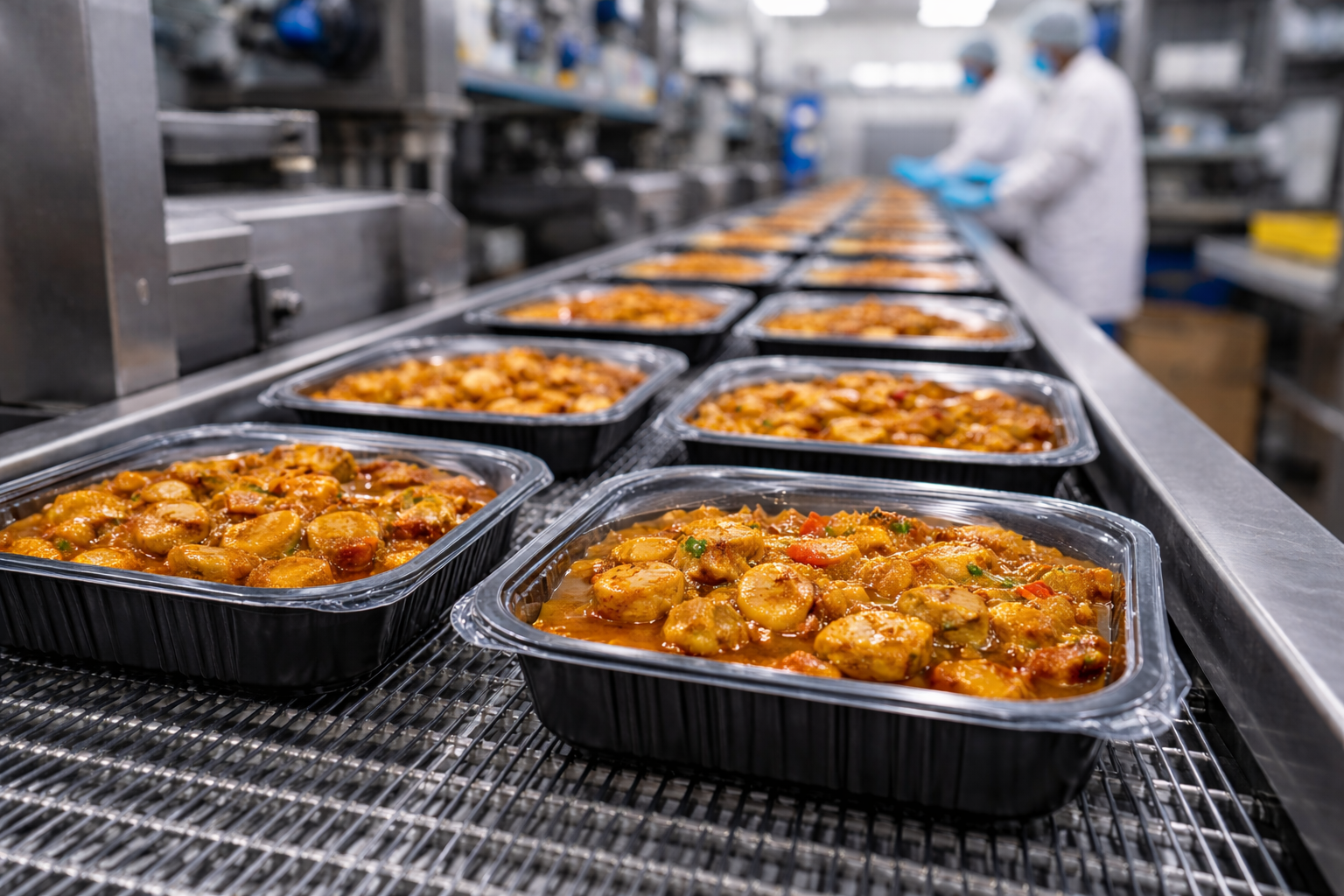
The Geldermalsen operation processes bananas rejected from conventional fresh-produce supply chains into food-grade puree for manufacturers. The company says the factory has handled around 20 million bananas since production began in 2023, while current annual capacity remains small beside the volume of fruit rejected after arrival at European ports.
The latest funding is an intermediate step rather than the full financing package required for the proposed expansion. The campaign, launched in June and later closed after exceeding its initial target, raised about €1.2 million. Sunt is also preparing an institutional investment round of roughly €10 million, which it expects to complete towards the end of 2026.
An increase from 2,000 tonnes to 22,000 tonnes a year would require more than a larger puree line. Intake, sorting, preparation, processing, storage, cleaning, quality control, and outbound logistics would all need to expand, while the business would also have to secure a dependable flow of rejected fruit and sufficient customer demand to keep the added capacity utilised.
The raw material comes from a particularly unforgiving part of the banana supply chain. Fruit intended for European markets is harvested green and moved under temperature-controlled conditions intended to delay ripening during transport. Containers can be rejected when bananas begin ripening too early because the remaining shelf life no longer suits wholesale and retail distribution, even when the fruit is still suitable for processing.
The Banana Factory diverts some of that material into puree rather than allowing it to be destroyed or routed into lower-value recovery such as anaerobic digestion. Its output is used in applications including ice cream, fruit pouches, juices, and bakery products, turning short-life whole fruit into an ingredient with a more manageable specification and shelf life.
Greater volume, however, raises the standard expected from the process. Ripeness, sugar content, texture, transport history, and the time between rejection and processing can all affect the incoming material. Scaling the operation therefore depends on controlling variability at intake rather than treating every rejected banana as an interchangeable feedstock.
Supply relationships with major banana importers, including Chiquita and Fyffes, are central to that model. A dedicated recovery plant needs sufficient concentration of suitable fruit around ports and ripening centres to justify collection and transport, and it needs enough advance information to plan production. Installed throughput has little value if incoming material arrives unpredictably or too late for safe processing.
The current capacity figure also shows how much of the available waste stream remains untouched. Sunt has previously estimated that its existing plant handles less than one per cent of the potentially recoverable banana volume available to it. Even the 22,000-tonne target would therefore represent only a portion of the fruit the company believes could be diverted into food manufacture.
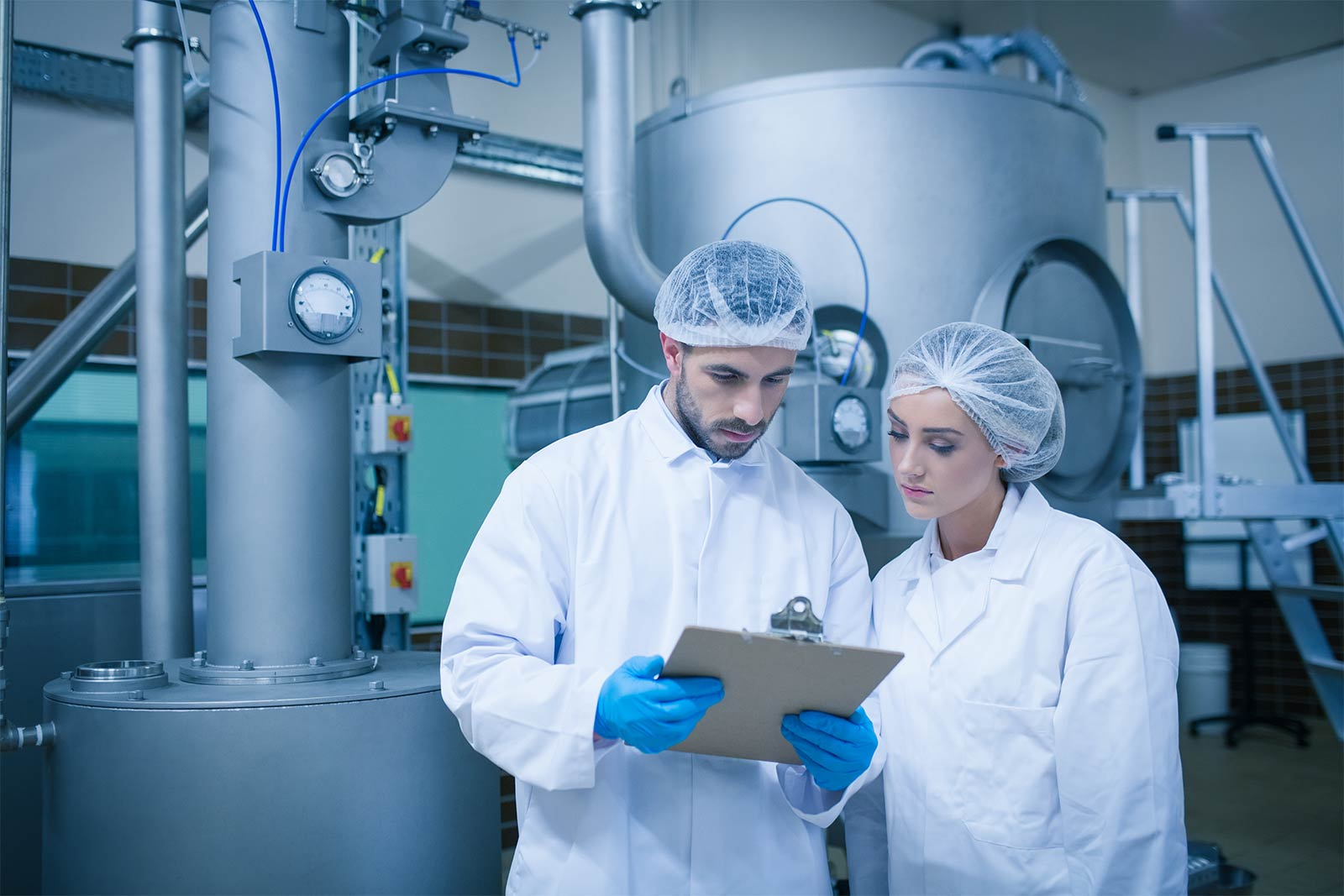
Higher output would move the operation further into conventional ingredient manufacturing. Customers buying puree at industrial scale will expect batch consistency, microbiological control, documentation, traceability, shelf-life assurance, delivery reliability, and predictable behaviour in their own formulations. The circular origin may support the commercial proposition, but it does not reduce the technical standard imposed by downstream food production.
Economics will tighten as the factory scales. Collection routes, rejected-fruit purchase terms, labour, energy, cleaning, packaging, and puree storage all have to remain competitive against conventional banana ingredients, while higher utilisation will leave less room for disruption when incoming fruit quality varies.
The financing programme reflects that transition. The smaller sharefunding round provides capital for immediate development work, while the planned €10 million institutional raise would support the larger investments needed to approach the 2028 target. The next phase is therefore less about proving that rejected bananas can be used and more about proving that the model can operate at a scale relevant to mainstream ingredient buyers.
At 22,000 tonnes a year, The Banana Factory would still be processing only a fraction of the bananas lost from European fresh-produce channels. Its more demanding test will be whether a waste stream created by the logistics of fresh fruit can become a dependable industrial raw material — repeatedly, safely, and without relying on the novelty value of an upcycled ingredient.