IN Brief:
- Blackstone and Clayton, Dubilier & Rice are in the early stages of exploring possible bids for Magnum Ice Cream Company.
- The interest follows Magnum’s December listing after its separation from Unilever.
- Ice cream manufacturing is being reshaped by ownership changes, logistics costs, cold-chain pressure, and portfolio discipline.
The Magnum Ice Cream Company has attracted early-stage private equity interest less than six months after its separation from Unilever and listing as a standalone ice cream business.
Blackstone and Clayton, Dubilier & Rice are among the groups exploring possible bids, although no formal transaction has been announced. The interest follows a debut valuation of around €7.8bn, with Magnum’s shares trading close to their listing price after a lower-than-expected market reception.
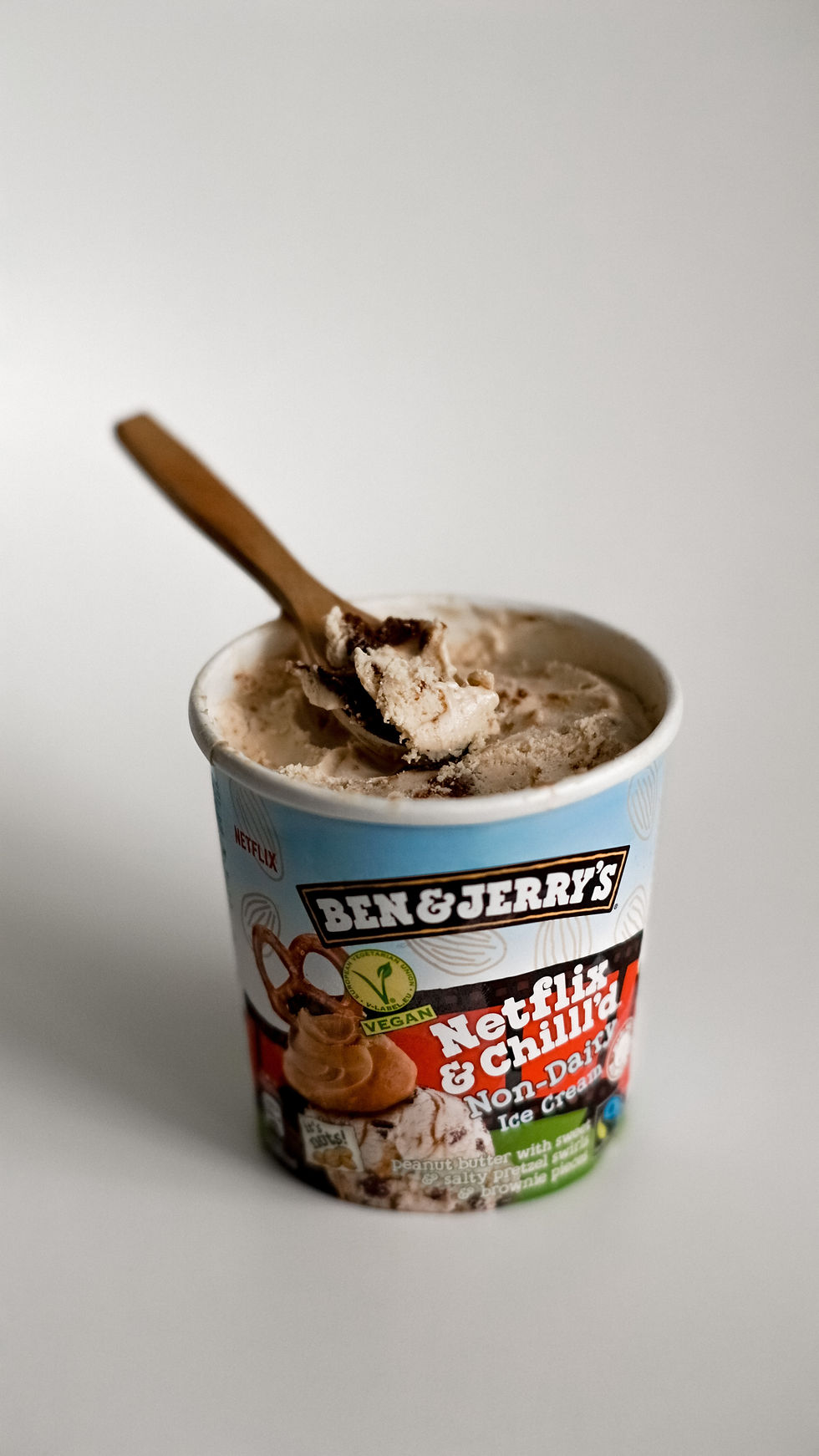
Unilever retains a 19.9% stake in the company and plans to exit over time. Magnum’s portfolio includes major global ice cream brands such as Magnum, Cornetto, Wall’s, and Ben & Jerry’s, giving the standalone business one of the largest branded positions in frozen desserts.
Ice cream remains an attractive category because of its brand strength, indulgence positioning, and repeat purchase behaviour, but the manufacturing model is demanding. Production depends on frozen infrastructure, dairy and fat systems, inclusions, coatings, wafers, packaging, cold-chain distribution, and highly seasonal demand planning. A freezer cabinet product can be operationally complex long before it reaches retail.
The spin-out gave Magnum a sharper category focus while exposing the company more directly to frozen manufacturing economics. Frozen distribution is expensive, cold storage is energy intensive, and climate variability can alter demand patterns. At the same time, consumers are balancing indulgence, value, portion control, and health-led purchasing decisions.
Any change in ownership would draw attention to plant investment, procurement, sustainability programmes, and portfolio discipline. Private equity ownership in food manufacturing often brings a stronger emphasis on capital allocation, productivity, margin expansion, and operational restructuring. In ice cream, those levers can include plant rationalisation, capacity upgrades, recipe alignment, packaging simplification, cold-chain optimisation, and sharper brand prioritisation.
The category is already moving in that direction. Häagen-Dazs has backed regenerative dairy supply through its Arras plant, linking farmer support, dairy resilience, energy investment, and decarbonisation. Frozen dessert manufacturers are increasingly expected to manage supply chain resilience and factory efficiency together, rather than treating them as separate sustainability and operations programmes.
Magnum’s scale also reaches well beyond dairy. Ice cream manufacturing draws on cocoa, nuts, bakery inclusions, stabilisers, emulsifiers, sweeteners, paperboard, plastic, and coatings. Cost movement in any of those inputs can affect recipe, pack format, margin, or price architecture. Large ice cream businesses therefore influence suppliers across multiple food manufacturing categories.
Brand governance adds another layer of complexity, particularly around Ben & Jerry’s, which has long operated with a distinctive social mission and independent board structure. Portfolio coherence, operating focus, and investor expectations may become more prominent as Magnum settles into life outside Unilever.
For suppliers, co-manufacturers, logistics providers, and ingredient producers, the private equity interest signals possible acceleration rather than immediate change. A standalone ice cream company already has reason to sharpen its manufacturing and procurement priorities. A take-private bid would intensify attention on whether frozen dessert assets can deliver stronger returns while energy, ingredients, and logistics continue to work against margin.