IN Brief:
- MULTIVAC is presenting connected food processing and packaging systems built around automation, digitalisation, and material efficiency.
- The company is highlighting AI-supported traysealing, compact slicing, smart packaging, and thermoforming technology for thinner and more sustainable films.
- The launch reflects wider pressure on food plants to reduce labour dependency, energy use, packaging waste, and production blind spots.
MULTIVAC has placed connected processing and packaging systems at the centre of its interpack 2026 programme, bringing automation, production data, and packaging efficiency into a single operational proposition.
At the Düsseldorf event, the company is presenting networked food industry solutions under the theme “Think connected. Make it smarter,” with a separate health packaging presence in Hall 16. The food-sector focus includes digitally integrated processing and packaging lines, AI-supported traysealing, compact slicing, yield monitoring, and thermoforming technology designed to handle thinner and more sustainable films.
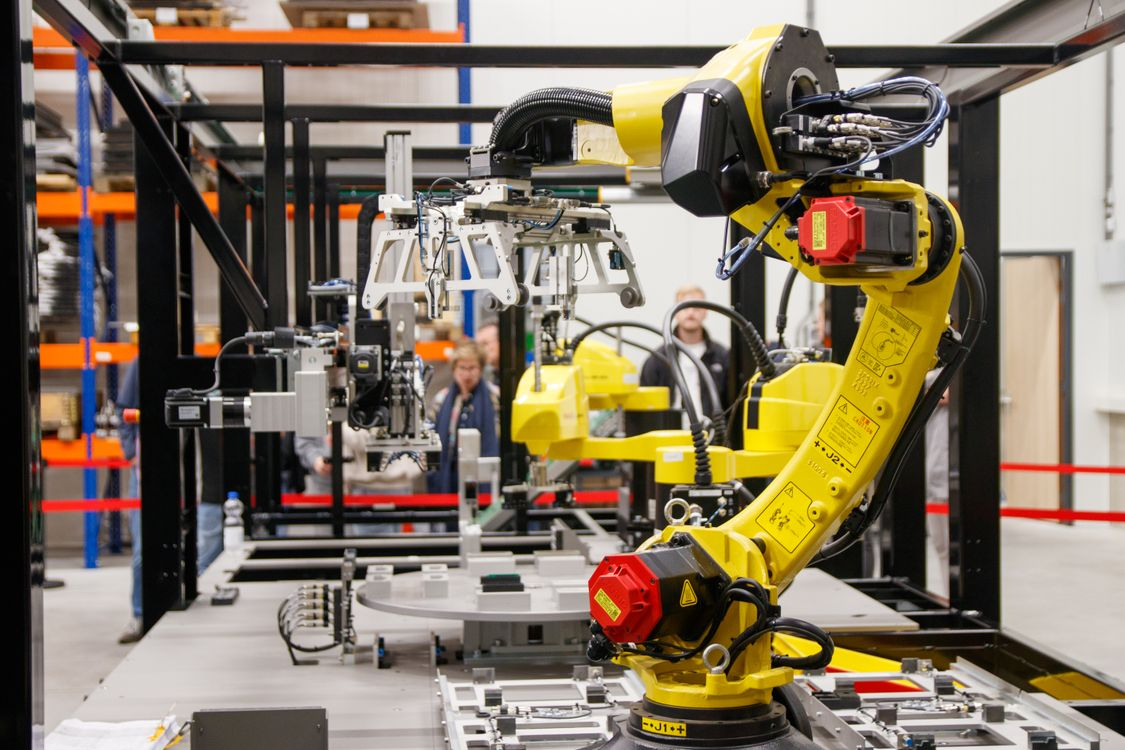
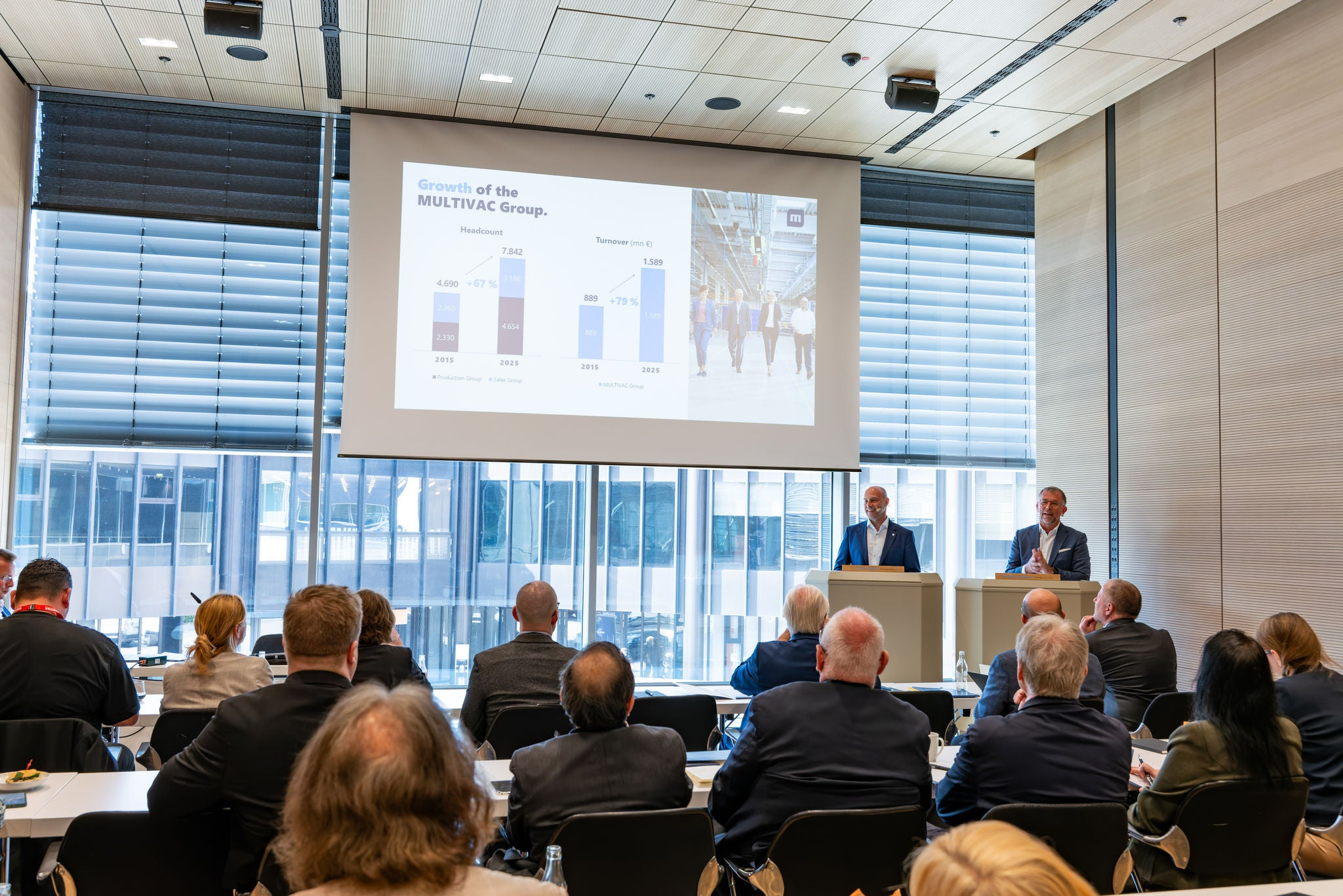
Behind the show-floor launches, MULTIVAC is also investing heavily in its own manufacturing and service infrastructure. The group reported 2025 turnover of €1.59bn, up 5.3%, and a global workforce of around 7,800. At its Wolfertschwenden headquarters, it is building a highly automated production plant and spare-parts logistics facility, with investment in that factory put at around €100m.
A further €70.5m is being invested in a new headquarters for FRITSCH in Iphofen, with completion planned for the end of 2028. FRITSCH, part of the MULTIVAC Group, is marking its 100th anniversary this year, and the project strengthens the group’s bakery-sector infrastructure at a point when industrial bakeries are looking for tighter control over dough handling, line integration, and packaging operations.
On the food stand, MULTIVAC’s Smart Production concept brings real-time production data, intelligent process control, and lower use of energy and materials into the same demonstration. The approach reflects the pressures already shaping FMCG packaging, including traceability, labour availability, material reduction, and connected-pack requirements covered recently in IN Food’s interpack 2026 trend analysis.
Among the highlighted systems is the NextGen slicing line, a compact slicing and packaging setup designed around minimal footprint, yield monitoring, and hygienic construction. In protein, cheese, and bakery applications, a smaller equipment footprint only carries commercial value if portion control, giveaway reduction, and cleanability are held together at production speed.
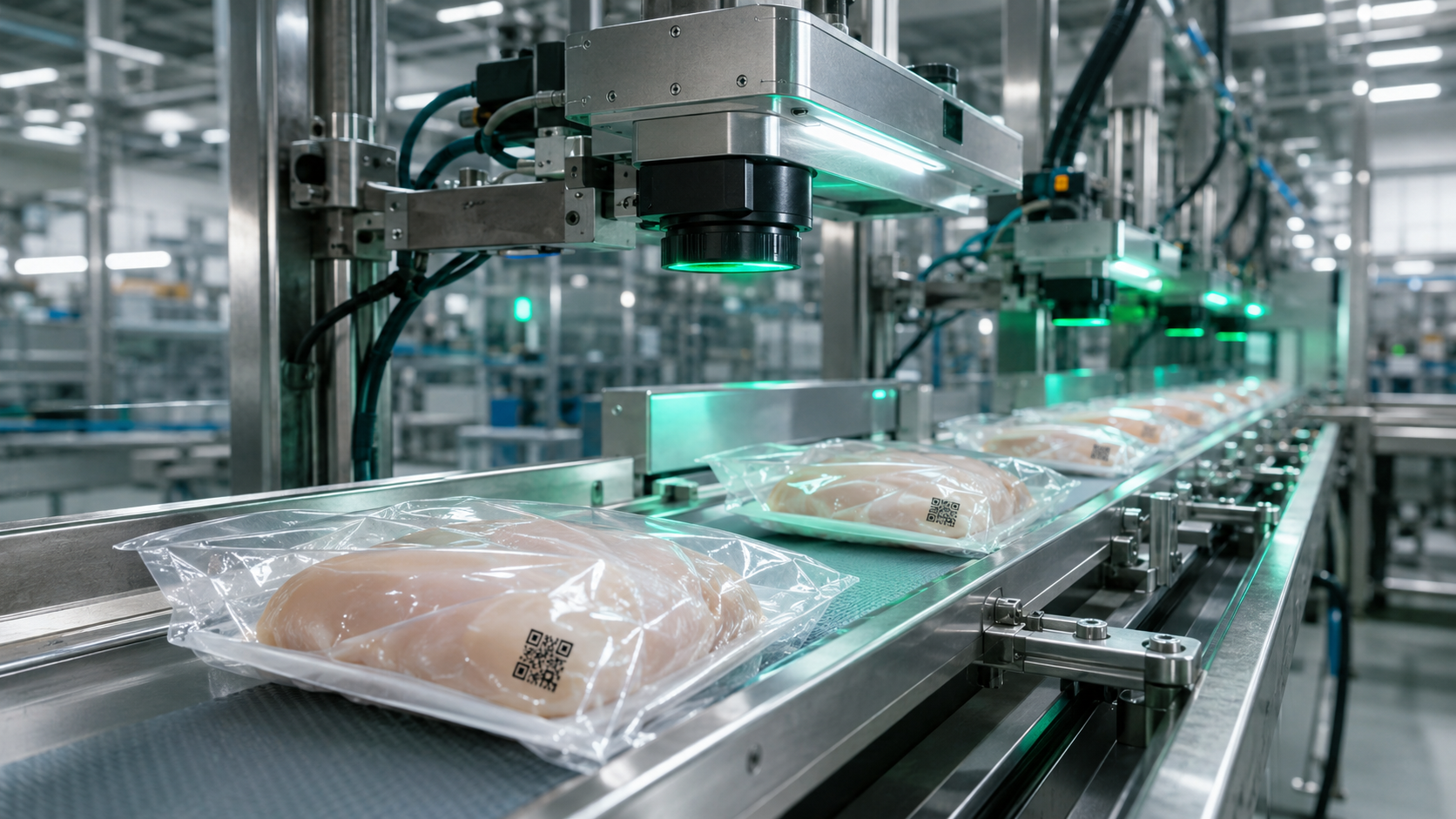
The AI-supported traysealer line is designed to process different products in parallel from several infeed streams. Intelligent product identification, combined with smart print-and-apply labelling, is intended to keep mixed production stable while allowing manufacturers to use existing capacity more effectively. SKU complexity continues to rise across prepared foods, protein, convenience meals, and chilled categories, leaving factories to manage more formats and shorter runs without unlimited labour, floorspace, or duplicate lines.
MULTIVAC is also showing the RX Ultimate thermoforming packaging machine, which uses progressive multi-sensor control and online connectivity to support pack quality and output. Technologies including pixelHEAT and pixelSEAL are intended to improve process reliability when using ultra-thin or sustainable films. That becomes increasingly valuable as packaging teams try to reduce material use without weakening seal integrity, shelf life, or line speed.
The wider packaging landscape is becoming less forgiving. The EU Packaging and Packaging Waste Regulation is pushing packaging decisions toward recyclability, material efficiency, and future reporting obligations, while customers still expect shelf appeal, product protection, and consistent supply. A material switch alone rarely solves the problem; films, trays, seal systems, inspection, labelling, and secondary packaging all have to work together.
MULTIVAC’s “Smart Packaging” approach treats packaging advice, material selection, machine capability, recyclability, digital production data, and compliance as connected decisions. The same manufacturing reality was visible in IN Food’s recent coverage of Cullen’s moulded fibre capacity expansion, where packaging transition depended as much on industrial scale-up as on material choice.
Food plants are being asked to run with fewer people, less waste, lower energy use, more data, and tighter compliance. That combination is moving machinery suppliers beyond isolated machine launches and toward integrated systems that support throughput, inspection, labelling, traceability, and material transition together. MULTIVAC’s interpack programme points to a packaging investment cycle where total line behaviour will carry more weight than individual machine speed.