IN Brief:
- Oxipital AI has launched foreign-material detection on OX and VX vision hardware already used for inspection and automation.
- The claimed accuracy is up to 99% in production environments, but the supplier says hidden or unresolvable objects may be missed.
- V-CORTX can classify visible detections, initiate configured line responses and record events for investigation.
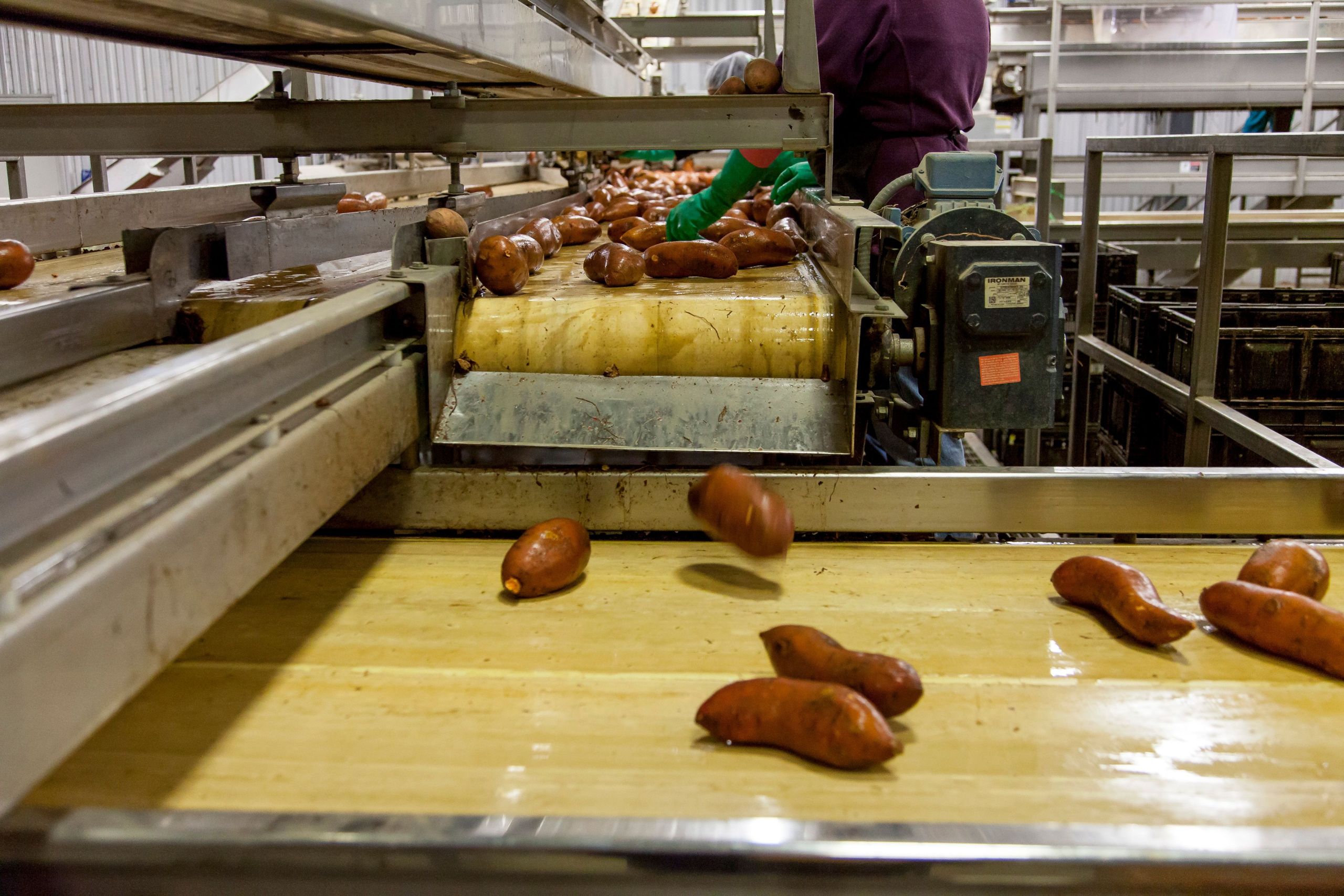
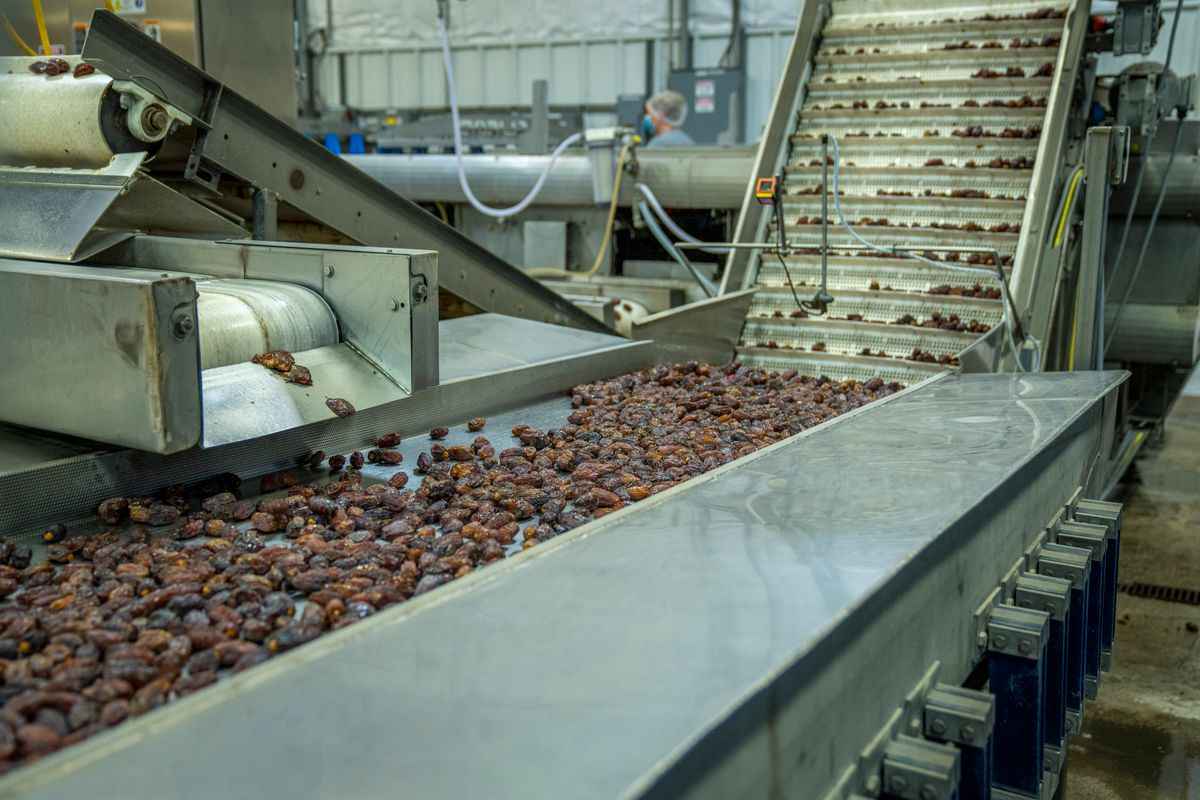
Oxipital AI has introduced a foreign-material detection function for its machine-vision systems used on food production lines. Announced on 16 October 2026, the capability runs on the company’s existing OX and VX hardware platforms and connects to its V-CORTX software for inspection decisions, production-line responses and event records. Oxipital says the system is already operating in food manufacturing environments, although it has not identified the sites or published independent comparative test results.
The launch adds contaminant detection to a platform previously offered for quality inspection and vision-guided robotics. The company is positioning the new inspection function alongside quality inspection and robot guidance on shared imaging hardware and its V-CORTX interface. Existing OX or VX equipment may provide a starting point, but the announcement does not show that every installed camera position or lighting arrangement can cover the new contaminants. Field of view, product presentation, line controls and the site’s acceptance testing will determine what each installation can do.
Oxipital says the system can identify visual signatures associated with hard and soft plastics, wood fragments, cardboard, protective equipment, bone and pieces of metal. The supplier reports detection accuracy of up to 99% in production environments. Its announcement does not publish the test population, contaminant sizes, denominators or separate results for false positives and missed detections. The number is therefore a vendor performance claim, not independent evidence that a fixed proportion of all contamination incidents will be intercepted.
The release explicitly limits vision-based detection to material within the camera’s view and large enough to resolve at production speed. A fragment concealed underneath a product, embedded inside an opaque portion or smaller than the imaging system can resolve at line speed may not be detected. Reflective surfaces, overlapping pieces, shadows and variation in food colour can further affect how a vision model distinguishes foreign material from legitimate product characteristics. These are physical constraints of optical inspection, irrespective of the algorithms used to classify the images.
To develop its models, Oxipital says it uses synthetic data to represent foreign materials against different food products, lighting conditions and production speeds. Such training data can expose a model to visual examples that would be impractical or undesirable to collect through repeated real contamination incidents. Simulated examples are nevertheless a starting point rather than a substitute for acceptance testing: the camera must still encounter relevant materials in realistic positions, and classification performance needs confirmation on the actual line.
Contaminant detection has to distinguish a true foreign object from normal variation in the product. Irregular meat shapes, vegetable skins, crumbs and harmless changes in surface appearance can all present a difficult background for image analysis. An overly sensitive threshold may reject good material or interrupt production unnecessarily; a permissive threshold may fail to recognise a dangerous object. Plants therefore need to assess both missed detections and false alarms, rather than judging a system by a single headline percentage.
Oxipital’s V-CORTX system is designed to turn a classification into a defined response through existing line controls. The supplier describes an approach in which a lower-severity anomaly can trigger a speed reduction and a confirmed higher-severity event can stop the line. Actual implementation must be engineered around conveyor speed, the position of the inspection point, product tracking and the site’s safety procedures. Detecting an item does not by itself establish that the affected portion has been isolated or safely removed.
Oxipital says detected events are logged with timestamps, imagery, classifications, dimensional information and throughput effects. The dashboard also provides inspection and production analytics, offering quality teams a way to review patterns and investigate possible contamination sources. A repeated finding near a particular equipment component might warrant an engineering inspection, while detections associated with one incoming material could prompt supplier checks. Such records support investigation, but their completeness depends on the inspection system having captured the event in the first place.
Vision inspection is not interchangeable with every other foreign-body control used in food manufacture. Metal detectors respond to appropriate metallic contaminants, while X-ray systems can identify certain density contrasts inside products or packaging. Optical systems are suited to objects that present a visible difference on an exposed surface. The choice and combination of technologies must follow the product, its packaging, the hazards identified and the location of inspection within the process.
On-site challenge tests are needed to establish performance with representative foreign materials and normal products. Testing should cover start-up, changeovers, normal operating speeds and realistic lighting or product variation. It should also verify what happens after a positive detection, including whether stopping, diversion or quarantine functions behave as specified. Training operators to respond to repeated alarms and retaining records for review remain necessary parts of the control system.
Oxipital has scheduled a live demonstration at PACK EXPO in Chicago on 18–21 October, at booth S-3192. It says the new function is already operating on food production lines, without disclosing the customer sites or an independent detection trial. Camera coverage, contaminant visibility, integration with line controls and documented site validation will determine whether the additional inspection function meets the hazards and production conditions of a particular factory.