IN Brief:
- Premier has begun a Section 189 consultation over the proposed controlled closure of its Fruit Products Western Cape operation in Tulbagh.
- Producers say the plant represents almost half of South Africa’s fruit-canning capacity and is supplied by roughly 200–220 growers.
- Premier intends to work with the remaining major cannery on future harvests, while regulators and producers assess whether sufficient alternative capacity exists.
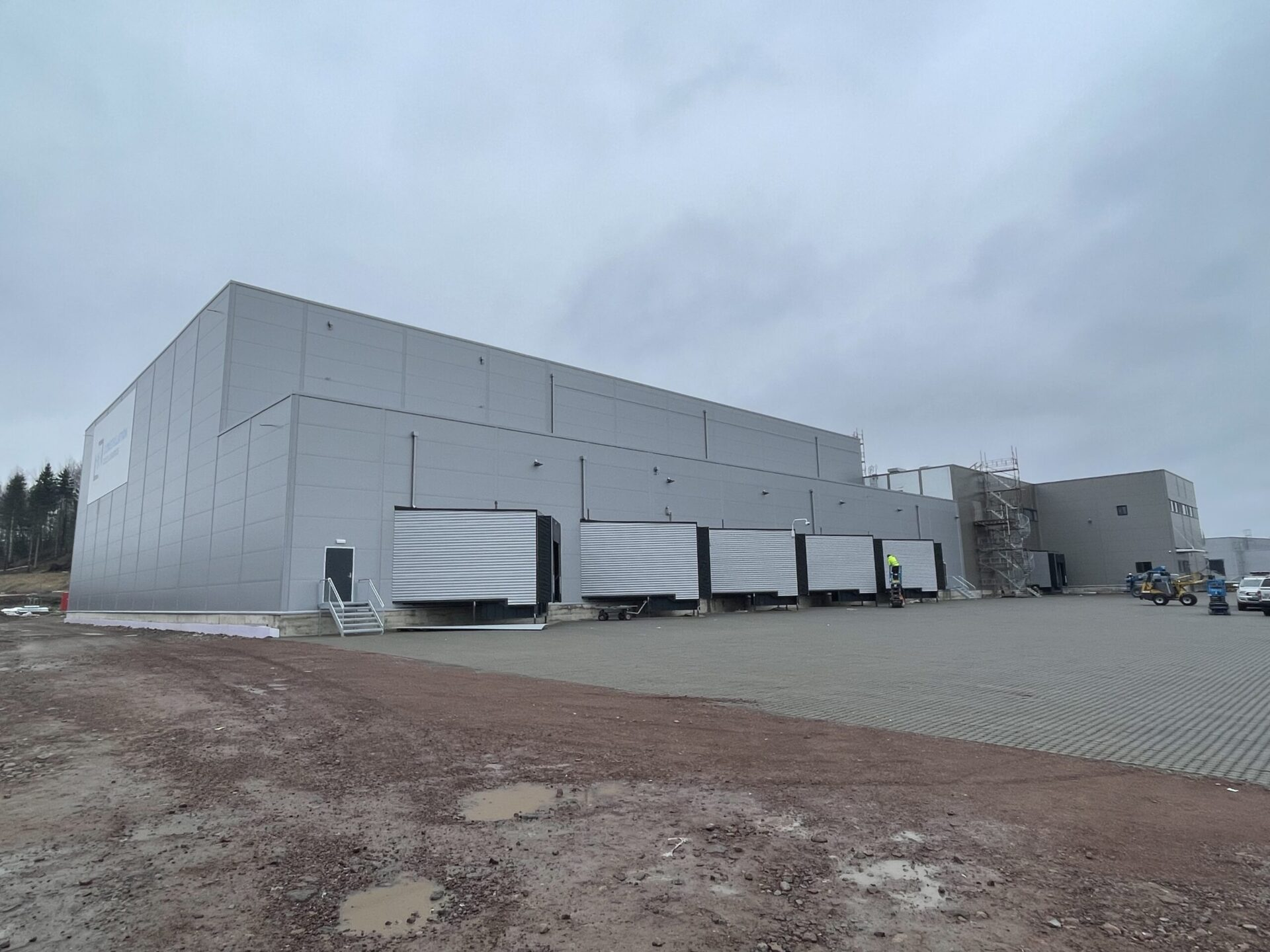
Premier has begun consultations over the proposed controlled closure of its Fruit Products Western Cape operation in Tulbagh, a move producers warn could remove almost half of South Africa’s fruit-canning capacity shortly before the next deciduous-fruit harvest.
The company has started a Section 189 consultation process with affected employees and recognised representatives. Premier says the business is no longer economically sustainable in its current form following pressure from declining global demand, changing export conditions, pricing, rising production costs, and the need for greater scale.
Approximately 90% of the plant’s canned-fruit production is exported, leaving the operation heavily exposed to international demand and trade conditions. Premier has also cited global oversupply, exchange-rate pressure, and uncertainty affecting export markets.
Growers see the problem from a different point in the production chain. The Canning Fruit Producers’ Association estimates that between 200 and 220 producers supply Tulbagh and says losing the factory would remove almost half of the country’s fruit-canning capacity.
South Africa has two principal large-scale canning operations serving the sector: the Tulbagh facility and Langeberg Foods at Ashton. Premier has said it intends to work with Langeberg on future harvests rather than continue operating Tulbagh.
Whether the remaining plant can absorb the displaced volume is now a central question. Deciduous fruit arrives during a concentrated seasonal window, so processing capacity has to be available when apricots, peaches, pears, and other crops reach the required maturity rather than when a factory happens to have spare line time.
Canning fruit is also not interchangeable with the fresh export crop. Many growers have orchards planted with varieties selected specifically for processing, and those trees represent investments made over many years.
Redirecting large volumes towards fresh markets would require different varieties, packhouse capability, customer channels, and distribution infrastructure. Removing established orchards and replacing them with alternative crops would take several seasons rather than providing an immediate answer to the 2026/27 harvest.
The timing has intensified the dispute because the deciduous-fruit harvest begins in November. Producers have already incurred much of the cost associated with pruning, fertilisation, irrigation, pest management, labour, and maintaining orchards for fruit expected to enter a processing plant.
The CFPA also says growers have operated under rolling long-term supply arrangements intended to provide more time when major processing requirements change. Premier has confirmed that balancing payments due on fruit supplied during the 2025/26 season will be paid under existing arrangements, but future-season commitments remain contested.
The plant’s proposed closure consequently affects more than the direct employment within its gates. A seasonal cannery coordinates growers, harvesting labour, inbound transport, packaging, utilities, ingredients, quality control, warehousing, and outbound export logistics around a narrow production calendar.
Consolidating that volume into fewer factories can improve utilisation when market demand is weak, but it also reduces redundancy. A sector dependent on one major remaining operation carries more exposure to maintenance outages, labour disruption, utility constraints, transport congestion, and unexpected harvest peaks.
Adding capacity at another cannery is not simply a question of extending operating hours. Fruit reception, washing, preparation, peeling, cutting, filling, syrup handling, seaming, retorting, cooling, inspection, warehousing, and effluent treatment all have physical throughput limits.
A factory also needs enough cans, ends, labels, ingredients, pallets, warehouse space, and labour to match the increased fruit intake. Shifting tens of thousands of tonnes across a regional processing network therefore requires preparation before the crop reaches the gate.
The closure proposal has an additional regulatory dimension because Premier completed its acquisition of Rhodes Food Group earlier in 2026. The South African Competition Commission is examining whether the proposed shutdown has implications for commitments attached to that transaction.
The investigation does not establish that Premier has breached the merger conditions. The commission has said it will determine the appropriate steps after completing its assessment, while Premier maintains that the closure proposal reflects the operating economics of the fruit business.
Premier has said it is engaging with farmers, government, the Competition Commission, and other stakeholders to reduce the effects on employees, growers, and the Tulbagh community. Producer organisations are pressing for a solution that preserves sufficient processing capacity or allows a viable alternative operator to emerge.
International canned-fruit economics provide the background to the decision. Premier points to weaker global demand and difficult export conditions, while producers acknowledge the international market is under pressure but argue that South Africa retains a competitive product and cannot afford to surrender so much capacity without a managed transition.
The dispute therefore rests on a familiar manufacturing problem: a factory can become difficult to justify on one company’s balance sheet while remaining structurally important to suppliers built around it. Processing assets, orchards, labour, and customer contracts have developed together over decades, but they do not unwind on the same timetable.
Premier acquired the Tulbagh operation only months before beginning the closure consultation, which has added to producer concerns over the speed of the proposed exit. The plant has also received substantial investment in recent years, making the prospect of removing the capacity particularly contentious.
The November harvest gives the negotiations a hard operational deadline. If Tulbagh does not process the coming crop, enough alternative capacity, commercial agreements, transport, and packaging arrangements will need to be in place before fruit begins arriving — otherwise the first consequence of the closure will be measured in unprocessed tonnes rather than consultation documents.