IN Brief:
- Sazerac has entered a binding agreement to acquire Au Vodka and its ready-to-drink business.
- The Swansea-founded company has expanded from flavoured bottled vodka into premixed canned formats.
- Financial terms have not been disclosed by Sazerac, and completion remains subject to conditions.
Sazerac has entered a binding agreement to acquire Au Vodka, adding the Swansea-founded flavoured-spirit and ready-to-drink business to a global portfolio containing hundreds of drinks brands.
The transaction remains subject to completion conditions, with Sazerac indicating that it expects the deal to close within weeks. Financial terms have not been disclosed by the buyer, despite external reports putting a considerably higher value on the business, so the acquisition should be treated as an agreed transaction without attaching an unconfirmed purchase price.
Au Vodka was founded in Swansea in 2015 by Charlie Morgan and Jackson Quinn and developed its identity around five-times-distilled vodka in metallic gold bottles. The range subsequently expanded across multiple flavours and into 250ml premixed cans, giving the company exposure to both conventional bottled spirits and the faster-moving single-serve RTD market.
Sazerac said the acquisition would deepen its presence in the UK, which it regards as an important market. The US group already operates across whiskey, vodka, liqueurs, cocktails, and ready-to-drink products through brands including Buffalo Trace, Southern Comfort, Fireball, Svedka, and BuzzBallz.
RTD formats broaden the manufacturing brief
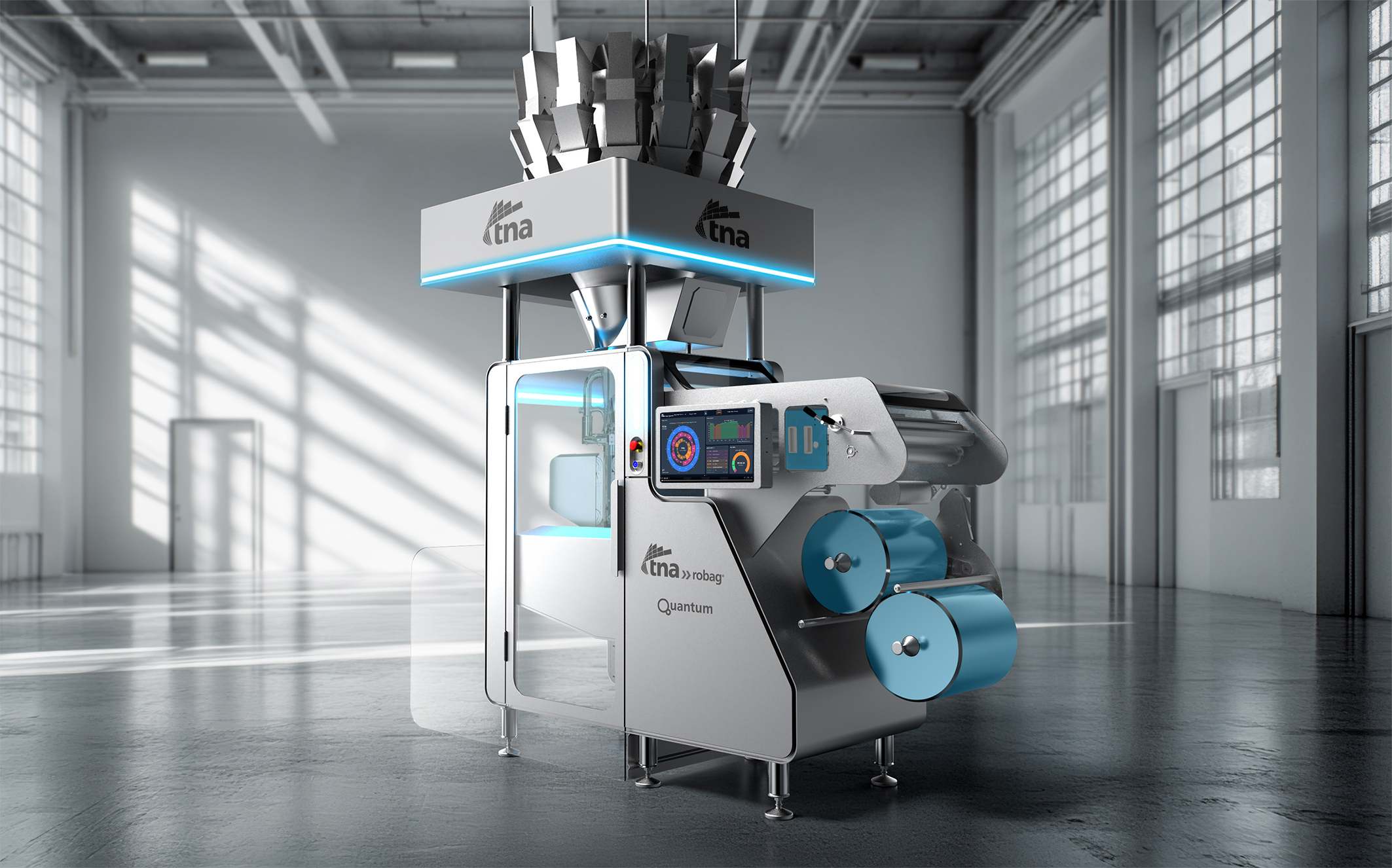
Au’s canned range adds a production and supply model that differs from bottled vodka. Premixed drinks require liquid blending and, depending on format, carbonation, followed by high-volume filling into cans, seaming, coding, secondary packaging, and distribution through retail channels geared towards individual consumption occasions.
That increases the number of packaging components and specifications that have to be controlled. Bottled spirits depend on glass, closures, labels, decoration, and case packaging, while cans introduce aluminium procurement, printed or sleeved artwork, can ends, trays or multipacks, and different filling-line requirements.
Au’s packaging is closely tied to its identity, particularly the metallic gold bottle and brightly coloured flavoured products. That makes packaging efficiency a more delicate exercise than simply sourcing the cheapest available container. Any manufacturing or procurement change has to preserve the shelf appearance and consistency that consumers associate with the brand.
A larger drinks owner can nevertheless bring substantial purchasing leverage. Alcohol, flavour systems, glass, cans, closures, labels, cartons, warehousing, freight, and contract manufacturing all offer potential economies of scale when buying volumes are combined across a broader portfolio. The value depends on whether common procurement can be introduced without forcing unsuitable standardisation on individual brands.
Sazerac also brings a considerably larger distribution network. That could support Au’s expansion beyond Britain without requiring the brand to establish every wholesaler and retailer relationship independently. International expansion, however, creates additional production requirements because alcohol labelling, duty structures, pack sizes, ingredient rules, and recycling obligations vary by market.
The manufacturing footprint will be one of the practical questions after completion. Sazerac has not disclosed a programme for moving or consolidating Au production, and there is no reason to assume that a change of ownership requires an immediate change in where individual products are filled or packed.
Maintaining current specifications during integration is more important than pursuing rapid consolidation. Spirits and RTD products have defined alcohol strengths, flavour profiles, colour targets, fill tolerances, pack specifications, and shelf-life requirements. Transferring a formulation between sites requires validation that the new line, water, mixing process, packaging equipment, and quality controls reproduce the existing product consistently.
RTD growth also makes capacity planning more complicated. Canned drinks can generate higher unit volumes than premium bottled spirits, placing greater pressure on filling slots, packaging inventory, finished-goods warehousing, and demand forecasting. A promotional surge that sells through quickly at retail can create shortages if cans, flavour ingredients, or contract-packing capacity have been planned against a slower production cycle.
Sazerac has direct experience of the category through BuzzBallz and other packaged drinks, which gives it an established understanding of the operational demands around high-volume premixed formats. That capability can be applied to Au without necessarily altering the brand’s product-development identity.
The competitive environment provides little room for complacency. Flavoured spirits and RTDs depend on retailer listings, frequent product innovation, promotional economics, and consumer interest that can move quickly between categories. Scale improves access to production and distribution, but it also creates pressure to support higher volumes and more markets without allowing inventory to outrun demand.
For Au, the acquisition provides access to a drinks company with far greater purchasing and distribution resources than an independent brand. For Sazerac, it adds a British business spanning flavoured vodka and canned RTDs rather than another traditional spirits marque alone.
The agreement still has to complete, and Sazerac has disclosed neither the final transaction value nor a detailed integration plan. Once ownership transfers, the industrial test will be whether the enlarged organisation can expand output and geographic reach while keeping formulation, packaging, and product identity consistent across a range that has become broader and more production-intensive than the original bottled vodka business.