IN Brief:
- Toyochem Specialty Chemical has gained HACCP certification for food-packaging coating production in Malaysia.
- TÜV NORD CERT renewed the company’s GMP certification in August 2026 for packaging-material production.
- The covered FC, VTR and HSL coating ranges target grease, moisture, heat sealing and primer applications.
Toyochem Specialty Chemical has secured HACCP certification for the manufacture of water-based food packaging coatings at its Malaysian operations, extending the quality controls applied to barrier and primer materials supplied to packaging converters. The artience Group subsidiary also renewed its Good Manufacturing Practice certification through TÜV NORD CERT in August 2026. The certification scope covers production of packaging materials and encompasses three coating families used to protect food, manage moisture and support the conversion of paper and board into functional packs.
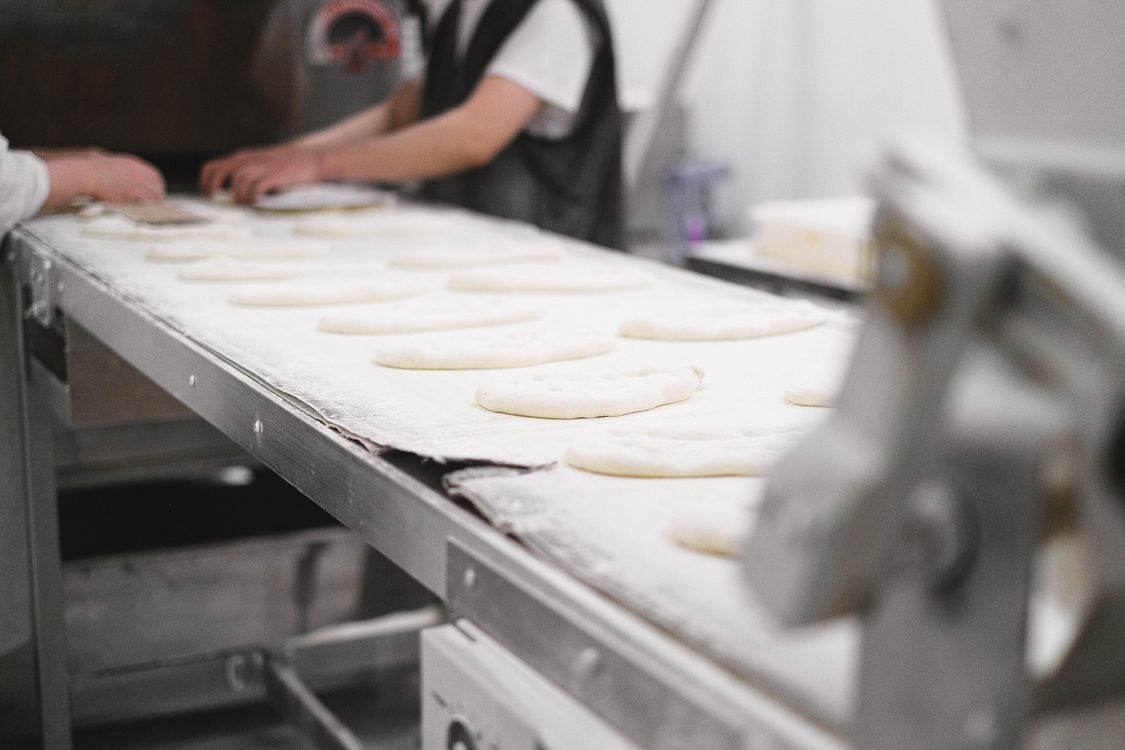
HACCP, or Hazard Analysis and Critical Control Points, applies a structured approach to identifying hazards and setting controls at the stages where they can arise. Coating manufacture has its own material safety requirements: raw ingredient identity, storage, batching, contamination prevention and the condition of production equipment can affect the finished material supplied to packaging converters. Process records and corrective actions are important because coatings are subsequently applied to substrates used in contact with food.
Toyochem bases its manufacturing control programme on Codex Alimentarius principles, the international food standards framework developed through the Food and Agriculture Organization and World Health Organization. HACCP provides the hazard control system for coating manufacture, alongside the Good Manufacturing Practice certification renewed by TÜV NORD CERT in August 2026. These production controls document how the coating materials are made; the intended food-contact application determines the tests and specifications required for an individual grade and finished packaging construction.
The FC series is designed to provide resistance to oil and water on food-contact paper and board. Applications include lunch boxes, burger wraps and paper cups, where grease penetration or moisture absorption can compromise package performance. Selected FC grades also support heat sealing, allowing a coated surface to form a closure under appropriate processing conditions. Converter selection must still consider the temperature, dwell time and pressure applied by the sealing equipment, along with the food and board structure to be packed.
The VTR series addresses water-vapour transmission. Moisture exchange through a package can change the condition of dried foods or alter the performance of products that need controlled humidity. A barrier coating works by limiting transport across the coated substrate, but its effectiveness is influenced by the material it is applied to and the continuity of the applied layer. A paper pouch, for example, may rely on the combination of coating coverage, fold geometry and seam integrity rather than the barrier material alone. Toyochem positions the VTR range for such paper-based packaging applications.
Its HSL series performs a different role as a food-compliant primer intended to improve lay-flat properties and reduce leakage at folds and creases. Creasing is a demanding step for any coated board because the material undergoes local bending and strain, particularly where a container must be folded into a three-dimensional shape. Poor coating adhesion or cracking can create a pathway through which moisture or grease escapes. A primer compatible with both substrate and later coatings can help converters obtain more consistent surfaces, although final package performance must still be assessed in the finished geometry.
Toyochem is positioning its water-based formulations as alternatives to some polyethylene lamination and extrusion structures. Applying a coating instead of a separate film may alter the converting process and the quantity or composition of material used. Recycling characteristics, however, depend on the complete pack, including the paper or board substrate, coating weight, adhesives and other materials. A paper-based structure must therefore be assessed in the recycling system available in its destination market rather than assigned an environmental outcome solely from its coating chemistry.
At the manufacturing stage, coating consistency depends on defined raw materials, controlled mixing and documented procedures for handling each batch. HACCP focuses monitoring on identified hazards and prescribes corrective measures when controls are not met. GMP provides the associated operating framework for the facility, including hygiene, staff procedures and records. That combination helps a converter trace material back through production when it investigates variation in grease resistance, adhesion or sealing behaviour on its own line.
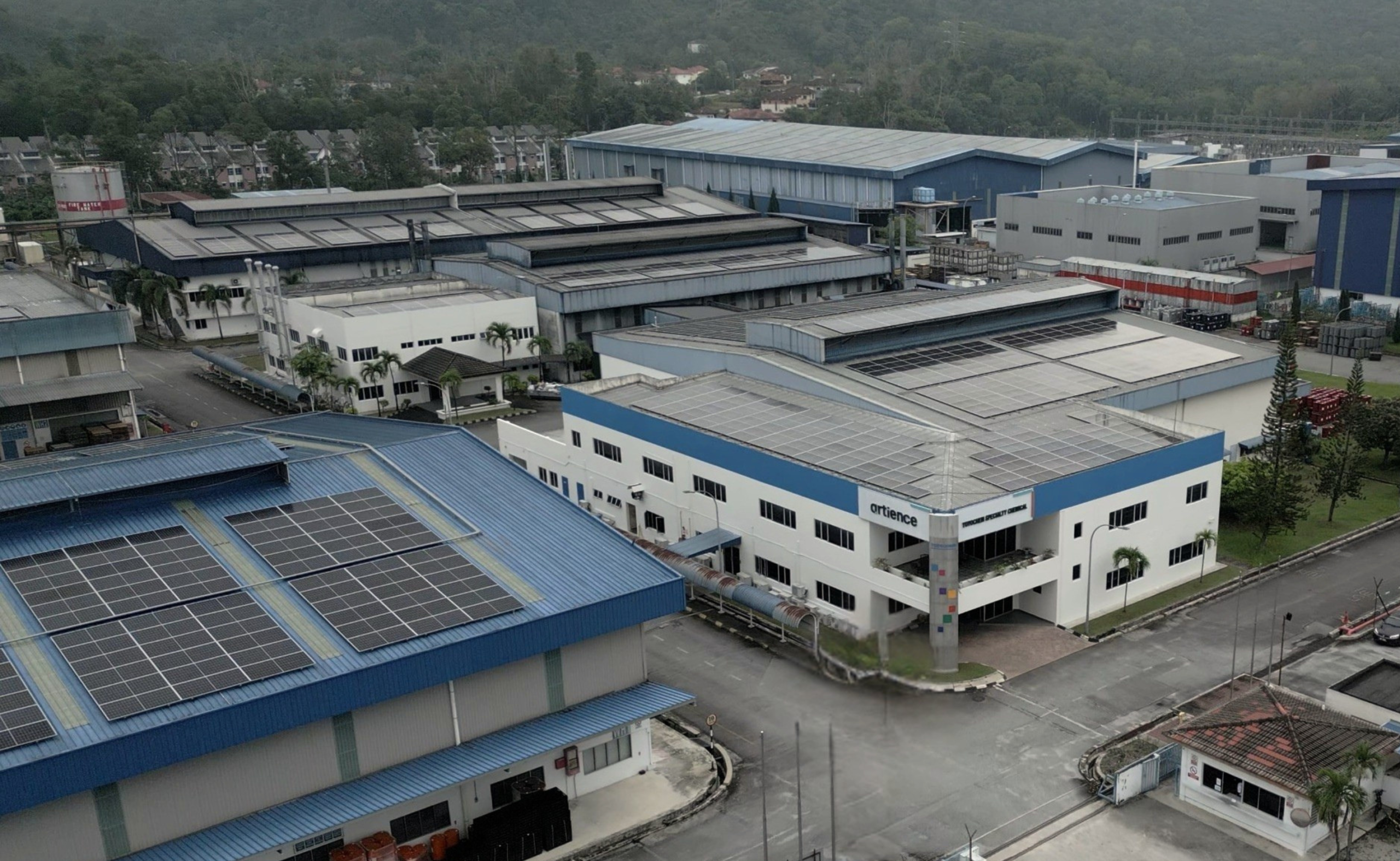
The company’s corporate office is in Shah Alam, with Malaysian production in Selangor and Negeri Sembilan. It supplies printing inks and other functional materials alongside its coating portfolio. Technical director Robin Loke has connected the new certification to packaging customers’ requirements for material safety. Suppliers of food-contact packaging often have to provide production and traceability documentation to converters, which then assess the coated substrate as part of a complete packaging application.
A converter using FC, VTR or HSL coatings will still set a grade-specific specification for coating weight, adhesion, barrier performance and, where relevant, sealing conditions. Tests on the finished pouch, wrap or carton establish whether the construction performs under its intended food-contact and filling conditions. Toyochem’s certified manufacturing controls provide a documented production basis for those tests and for maintaining consistency when approved packaging structures move into repeat manufacture.