IN Brief:
- Valio has appointed Matti Lehmus as CEO from 1 January 2027.
- Annikka Hurme will retire at the end of 2026 after working at Valio since 1989 and serving as CEO since 2014.
- The leadership change comes as Valio focuses on international expansion, growth brands, new businesses, and operational capability.
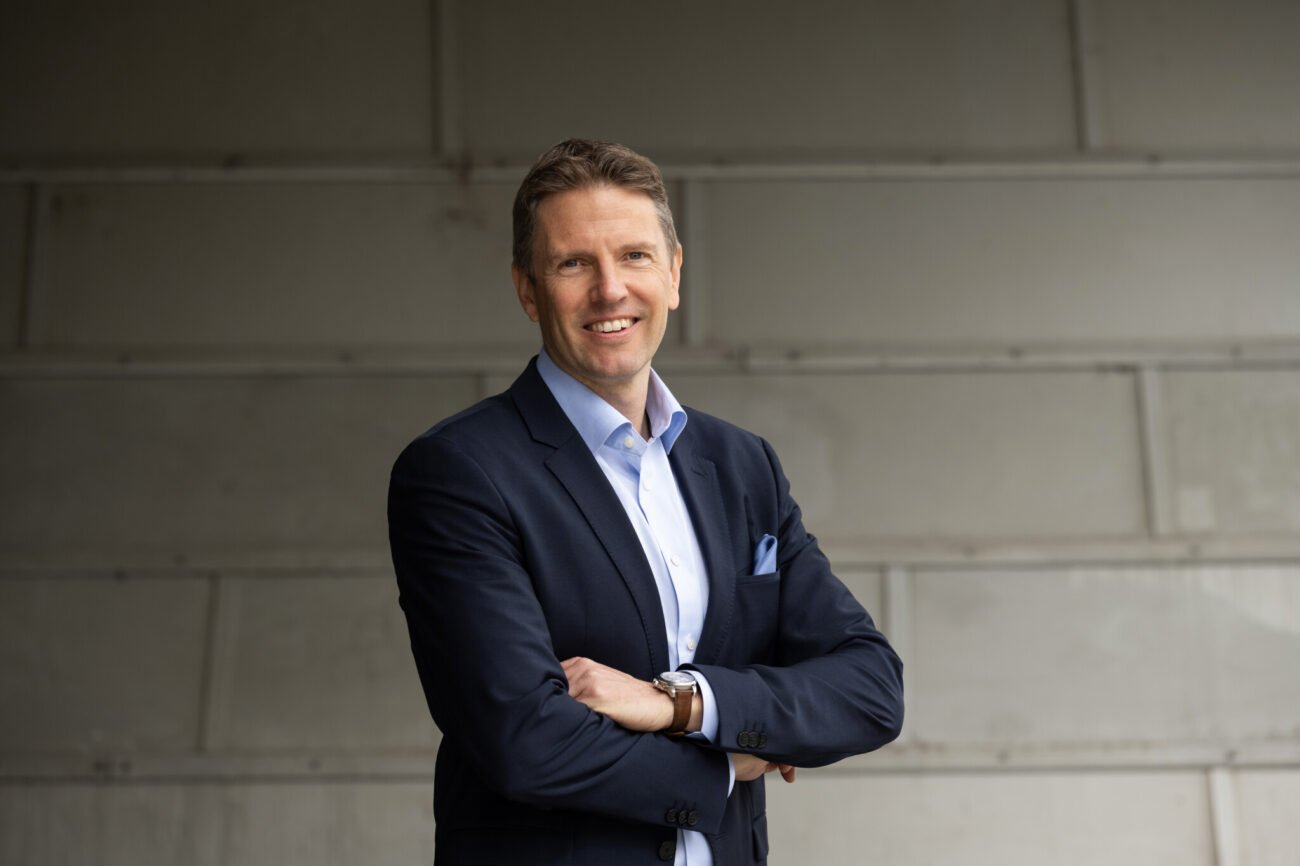
Valio has appointed Matti Lehmus as CEO from 1 January 2027, with long-serving chief executive Annikka Hurme set to retire at the end of 2026.
Hurme has worked at the Finnish dairy and food company since 1989 and has served as CEO since 2014. During that period, Valio has strengthened its position in Finnish food exports while expanding beyond its core dairy base into plant-based products, biogas, wholesale, and broader food industry activity.
Lehmus holds an M.Sc. Tech. and eMBA and has held senior leadership roles at Neste, including president and CEO from 2022 to 2024. He also sits on the board of Kemira. Valio’s board has linked the appointment to international growth, brand development, new business acceleration, and capability building in a changing operating environment.
The leadership transition comes as European dairy processors manage one of the sector’s most demanding investment cycles. Dairy remains a high-volume, capital-intensive industry built around farm supply, quality control, cold-chain discipline, ingredients processing, branded retail, foodservice, and export markets. At the same time, processors are under pressure to reduce emissions, strengthen farm resilience, develop higher-value ingredients, and adapt to changing customer expectations.
Valio’s cooperative ownership model gives the transition added significance. Strategic decisions at processor level flow back to farmer owners through milk pricing, investment priorities, sustainability programmes, and export performance. A dairy company of Valio’s scale is coordinating a national milk pool, processing footprint, technical development pipeline, and international commercial network.
Hurme’s tenure has been defined by diversification alongside continuity. Valio has remained anchored in dairy while moving into plant-based products, developing new business lines, and building export-led value. That balance between core milk processing and adjacent growth has become one of the defining questions for dairy groups across Europe.
The plant-based category has cooled from its most aggressive investment phase, but it remains relevant for processors with technical expertise in fermentation, protein functionality, texture, flavour, and chilled logistics. Dairy companies also have reasons to participate where hybrid, high-protein, lactose-free, and specialised nutrition formats overlap with existing capabilities.
Biogas and farm-linked emission reduction are also becoming strategic rather than peripheral. Dairy processors face pressure from retailers, export customers, policymakers, and investors to show progress on climate impact. Farm-level methane and manure management, energy recovery, and circular systems are increasingly tied to procurement strategy and long-term competitiveness.
The same dynamic is visible across dairy-adjacent manufacturing. Froneri’s link between ice cream growth and sustainability showed how expansion in frozen dairy categories is being shaped by packaging, ingredients, energy, and carbon performance. Valio operates in a different segment, but the same pressures are evident across dairy processing and branded food manufacturing.
Lehmus brings experience from the energy sector, where industrial transformation, feedstock strategy, regulation, and international growth have been central issues. That background could prove useful as dairy companies handle energy-intensive processing, emission reduction, biogas opportunities, export competitiveness, and the management of large industrial assets.
The handover period gives Valio time to manage continuity through 2026 before the new leadership structure takes effect. The company’s next phase will depend on how effectively it strengthens its dairy base while developing higher-value products, expanding internationally, and maintaining the farm-level foundation that underpins its supply.