IN Brief:
- Large-format food processing can conceal significant losses through contamination, damaged packs, product giveaway, and slow recall response.
- Combining metal detection and checkweighing on case inspection lines can reduce waste, improve quality control, and strengthen food safety performance.
- As global traceability requirements tighten, connected inline and end-of-line inspection will become increasingly important in protecting margins.
By Phil Brown, Sales Director at Fortress Technology Europe
Efficiency is a key driver of profitability in the large format food processing sector. Any form of waste caused by contamination in wholesale boxes, damaged bags on production conveyors, or excessive product giveaway can create significant operational challenges. These challenges are further compounded by slow recall responses caused by outdated traceability systems.
When these invisible issues are not addressed promptly, they can soon have a direct and detrimental effect on the financial stability of food processing companies. Phil Brown, Sales Director at Fortress Technology Europe explores how one of the most powerful strategies to address inefficiencies is to strengthen inline and end-of-line food safety inspection processes.
Combining metal detection and checkweighing equipment on case inspection lines allows processors to directly resolve issues relating to waste, food loss and labour challenges. This integrated strategy assists food companies to maintain a high level of detection sensitivity and enables rigorous quality control throughout the entire manufacturing process.
On top of the trends
The market for large packages of food ingredients is steadily expanding as manufacturers and foodservice providers seek out cost-effective and high-quality food ingredients for use in large-scale food manufacturing. Concurrently, caseweighing inspection advancements at Fortress Technology centre on the development of intelligent, connected and hygienic systems that improve efficiency and reduce waste at scale in ingredient and heavy food applications.
Combination metal detector and checkweighing systems are essential for industries aiming to reduce food waste and meet strict quality control standards, regulatory compliance and automated production efficiency. New research indicates that the global inspection and weighing machine market is projected to reach USD 4.1 billion by 2035, almost double the value of USD 2.3 billion in 2025.i
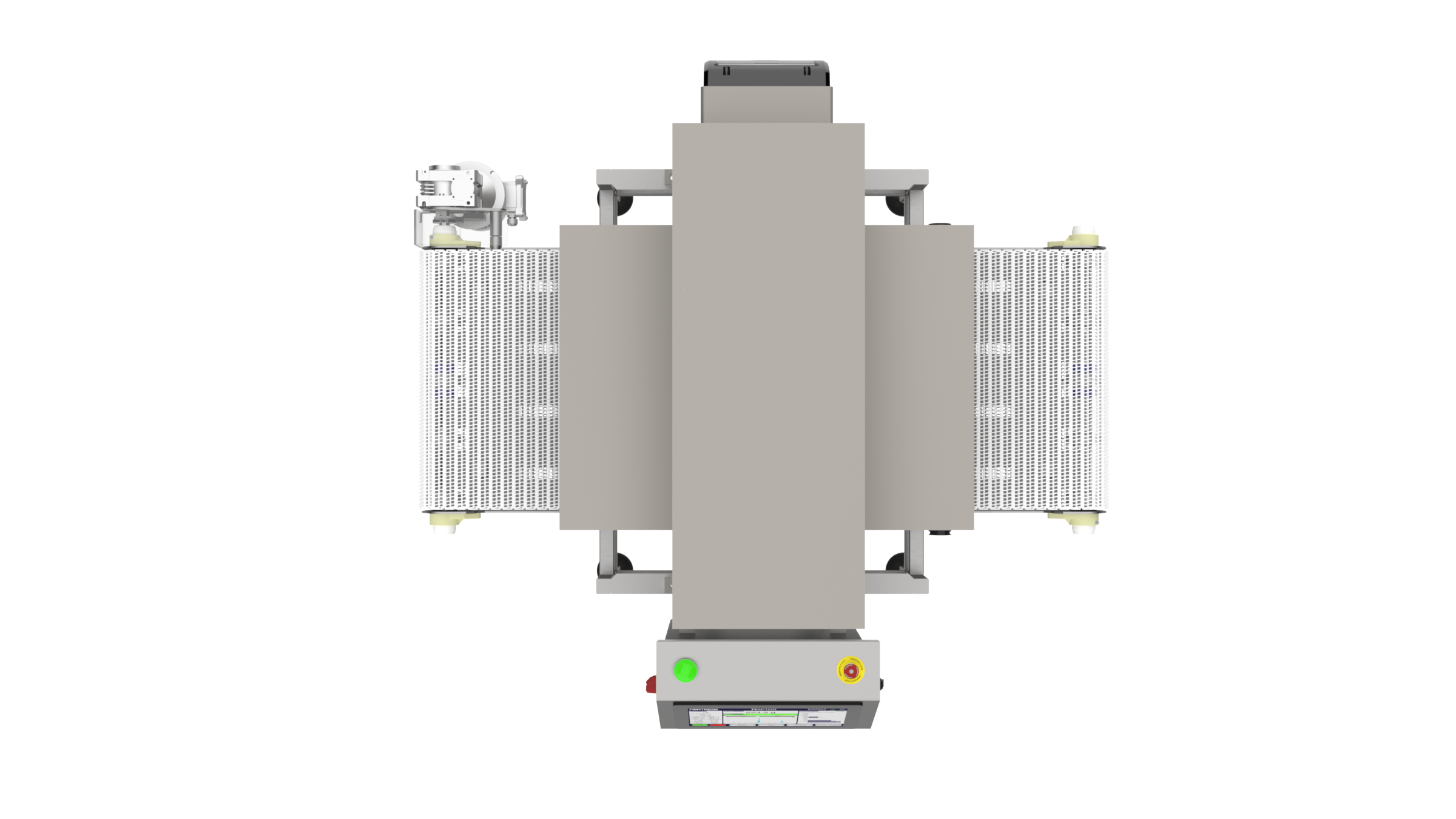
These specific factors directly influenced the development of Fortress Technology’s Raptor BBK Combination System. Purpose built for applications such as pet food, grain bags and large case formats weighing between 8-25 kilograms, this combination system delivers several advantages to users operating at scale.
The user-friendly design ensures that production staff can easily interact with and manage the equipment. Maintenance routines are straightforward, minimising downtime and supporting consistent productivity. Additionally, the system features an easy-to-clean design, helping processors maintain the highest hygiene standards required in boxed or heavy bag production environments.
Uniquely, the Fortress Technology Combination Systems have a CRO (conveyor-run-only) option that ensures food safety and HACCP compliance is prioritised. This means that the metal detector can always run for products that do not require a weight check.
“Consolidation of these technologies not only streamlines processes but also supports processors in maintaining compliance with food safety standards and industry regulations. The result is improved operational efficiency, reduced product giveaway and enhanced reliability. These factors all contribute to the long-term financial stability of food processing companies,” clarifies Phil Brown.
The time for waste is over
Rising environmental concerns and economic pressures demand more efficient use of resources, minimal waste and improved sustainability practices across all food production lines. In high volume operations, even minor process deviations can quickly escalate. The scale of losses in wholesale and larger cased products is often more visible and are amplified due to the high volume of output involved.
Non-conforming or contaminated product caught after packaging represents a significant irrecoverable cost. Additionally, isolating contaminants and salvaging unaffected product at this final stage is often more time consuming and impractical, impacting productivity.
These risks can be reduced by strategically placing inspection systems at high-risk critical control points throughout the production process.
Fortress Technology advises processors distributing food packaged in cases or large bags to intercept physical contaminants at their largest and most detectable form, prior to fragmentation and dispersal during processing. If identified post-packaging, large volumes of finished product may need to be discarded. A recommended strategy can involve implementing dual- or multi-stage inspections. This may include screening incoming ingredients before processing using gravity and/or large format metal detectors, followed by final metal detection and weighing safeguards at the end of the production line.
Enhancing footprint efficiency
Large scale production rarely equals more floor space. By expanding vertically and positioning gravity metal detectors on mezzanine floors, or optimising floor layouts and incorporating automated solutions, bulk processors can increase their output and profitability per square metre.
The new Raptor BBK Combination metal detector and caseweigher answers this call for more compact combination systems that conserve floor space and lower operational costs without compromising performance. Measuring less than 2.5 metres in length, reject conveyors can be customised to suit the product application. The system also enhances user safety by preventing heavy lifting and hazardous pinch points.
Its robust and hygienic construction ensures long-term reliability and performance in demanding processing and packaging environments. The modular plastic chain conveyor belting and AC induction motor supports efficient cleaning and maintenance.
Real time data logging and connectivity provides extra assurance that food processors are experienced and ready to adhere to food traceability rules as they roll out globally.
Given that 70% of all products globally rely on bulk solids handling at some point in their lifecycle, the reliance on inspection and quality control cannot be underestimated, reaffirms Phil. The answer lies in prioritising precision inspection, data integration and in-line and end of line weighing of packaged ingredients and larger format foods.
For more information, download the free Fortress Technology whitepaper The True Cost of Waste in Large Format Foods.