IN Brief:
- Popcorn Kitchen has launched two Munch Mix products combining popcorn with sweet and savoury inclusions.
- Differing densities, shapes, and fragilities require controlled dosing, transfer, and packaging.
- Mixed-texture formats can support premium positioning while increasing allergen, shelf-life, and quality-control requirements.
Popcorn Kitchen has expanded into mixed-component snacks with a two-product Munch Mix range combining popcorn, chocolate pieces, pretzels, corn-based inclusions, and contrasting sweet and savoury flavours.
The launch includes White Chocolate Snowies and Chocolatey Orange Segments, moving the business beyond packs dominated by one main popcorn format. Each product requires several components to be sourced, stored, dosed, combined, and packed in a consistent ratio.
Mixed snacks have become more prominent within premium, sharing, and seasonal ranges because one pack can combine several colours, textures, shapes, and flavour intensities. The same variety creates production challenges that do not arise when a line handles one relatively uniform product.
Popcorn is light, irregular, and fragile, whereas chocolate pieces, pretzels, and corn inclusions have different densities, surface finishes, and impact resistance. If the mixture is handled poorly, heavier components settle while lighter pieces rise, leaving inconsistent packs despite an initially correct blend.
Segregation can occur in hoppers, conveyors, transfer chutes, and packing-machine feed systems as vibration and repeated movement separate the components. Long drops can also break popcorn and pretzels, producing fines that accumulate away from the larger pieces.
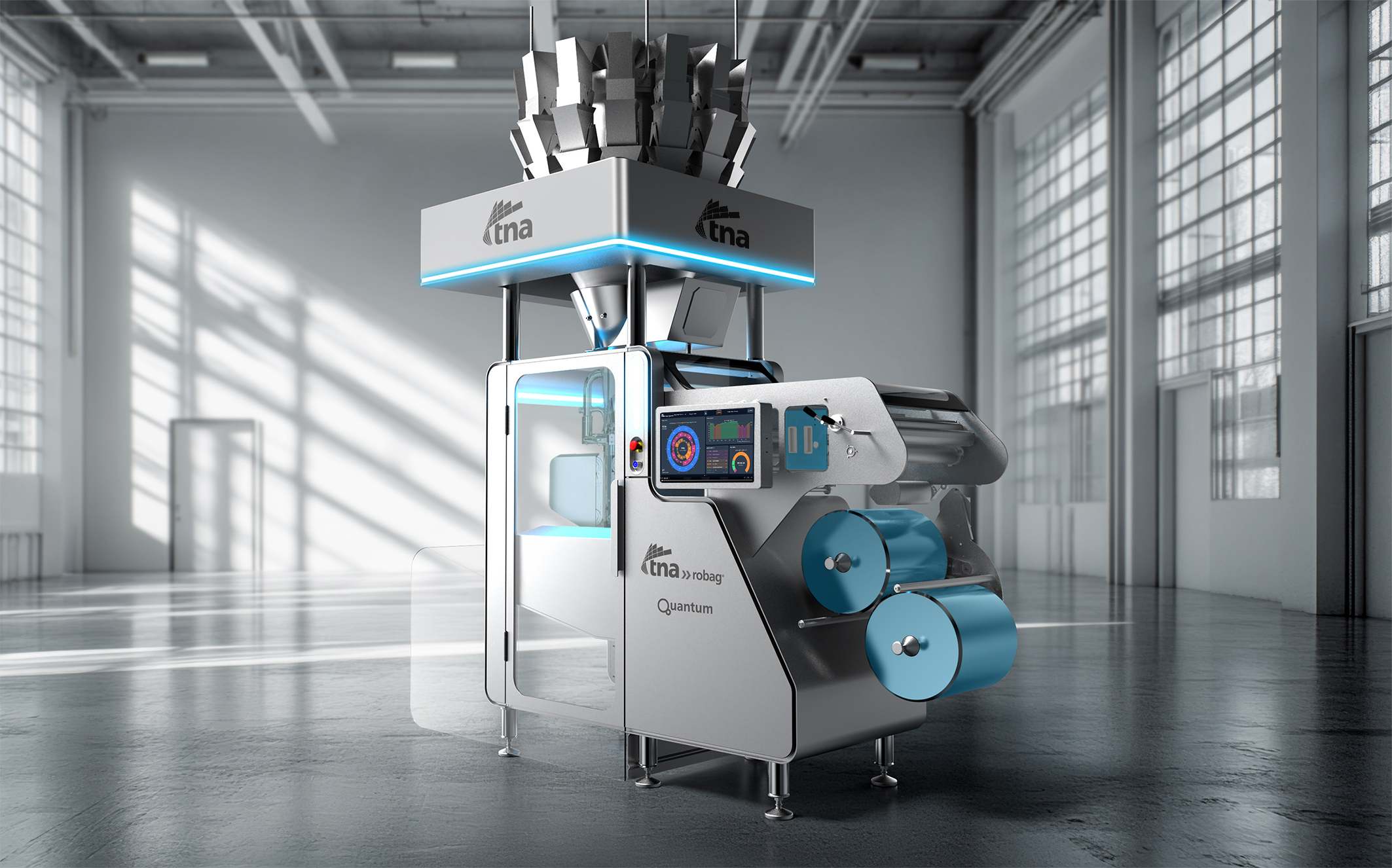
Manufacturers can reduce variation through separate component dosing, multi-head weighing, short transfer routes, controlled vibration, and equipment configured for fragile products. The most suitable approach depends on product value, required ratio accuracy, line speed, and the number of inclusions.
Several ingredients create one process
Each component may arrive from a different production site or supplier with its own specification, allergen profile, shelf life, microbiological status, and storage requirement. Those controls must be combined into one finished-product system before the ingredients reach the packing line.
Chocolate introduces temperature constraints that do not apply to plain popcorn. Excessive heat can cause bloom, smearing, sticking, or deformation, while movement from cold storage into warmer, humid production areas can create condensation.
Popcorn and pretzels are highly sensitive to moisture, so any component with higher water activity can soften the mix during storage. The finished product needs shelf-life testing as a combined system rather than relying on the declared life of each ingredient in isolation.
Moisture migration, fat transfer, aroma movement, coating damage, and flavour interaction can all change the product after packing. A component that remains stable alone may behave differently beside chocolate, seasoned corn, or another inclusion within a sealed bag.
Allergen management becomes more demanding as the formulation expands. Milk, gluten-containing cereals, nuts, peanuts, and soya may enter through individual inclusions or the facilities where those components were manufactured.
Recipe control, line clearance, label verification, rework, and supplier approval must reflect the complete mixture. One incorrect inclusion can make every pack in a production batch non-compliant even when the main popcorn component remains within specification.
Investment in specialist snack capacity is increasing as brands seek manufacturers able to manage complex recipes and inclusions. The acquisition of protein-bar producer EMPWR by Vitamin Well Group illustrates the value being placed on dedicated development and manufacturing capability within fast-growing snack categories.
Packaging must protect the weakest component
The pack structure needs to protect the most sensitive ingredient rather than the largest one. A film suitable for plain popcorn may require greater moisture, oxygen, light, or aroma barrier once chocolate and coated inclusions are added.
Crumbs, seasoning, chocolate fragments, and fines can enter the seal area, increasing the risk of channels or incomplete closure. Seal-jaw design, product timing, extraction, inspection, and cleaning frequency all influence how reliably contaminated seals are prevented.
Bulk-density variation can also affect presentation. A correctly weighed bag may appear inconsistently filled when the proportion of large, lightweight popcorn and smaller, denser inclusions changes between packs.
Checkweighing confirms net weight but cannot establish whether each component is present in the intended ratio. Vision systems, recipe-based dosing records, or periodic pack analysis may be needed where the declared or sensory value depends on an even distribution.
Gentle handling usually limits breakage, although slower transfer and reduced vibration can restrict throughput. Production trials must identify the speed at which additional output begins to create unacceptable fines, segregation, coating damage, or seal contamination.
Mixed-texture snacks can support higher pricing and greater product differentiation, but every additional inclusion introduces another supplier, specification, storage condition, and potential source of variation. Successful production depends on making that complexity invisible inside the finished pack.