IN Brief:
- Trash’s 250ml drink contains 30% cold-pressed cacao fruit and 70% water.
- The product uses pulp surrounding cocoa beans, creating an additional commercial stream from the harvested pod.
- Larger production will require consistent collection, stabilisation, quality control, and transport close to cocoa-growing regions.
Trash has launched a canned cacao-fruit water made with cold-pressed pulp from the material surrounding cocoa beans, creating an additional beverage outlet from the harvested cacao pod.
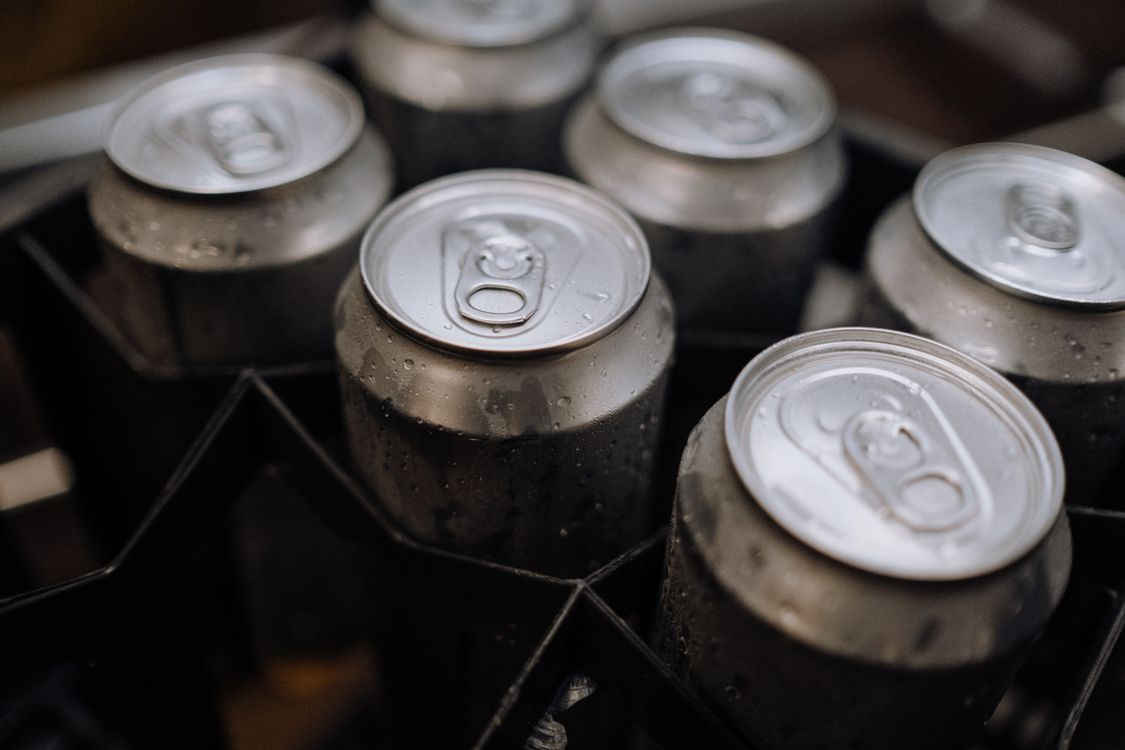
The British business was founded by chocolatier Flo Broughton, who also established Choc on Choc. Each 250ml can contains 30% cacao fruit and 70% water, with no added sugar.
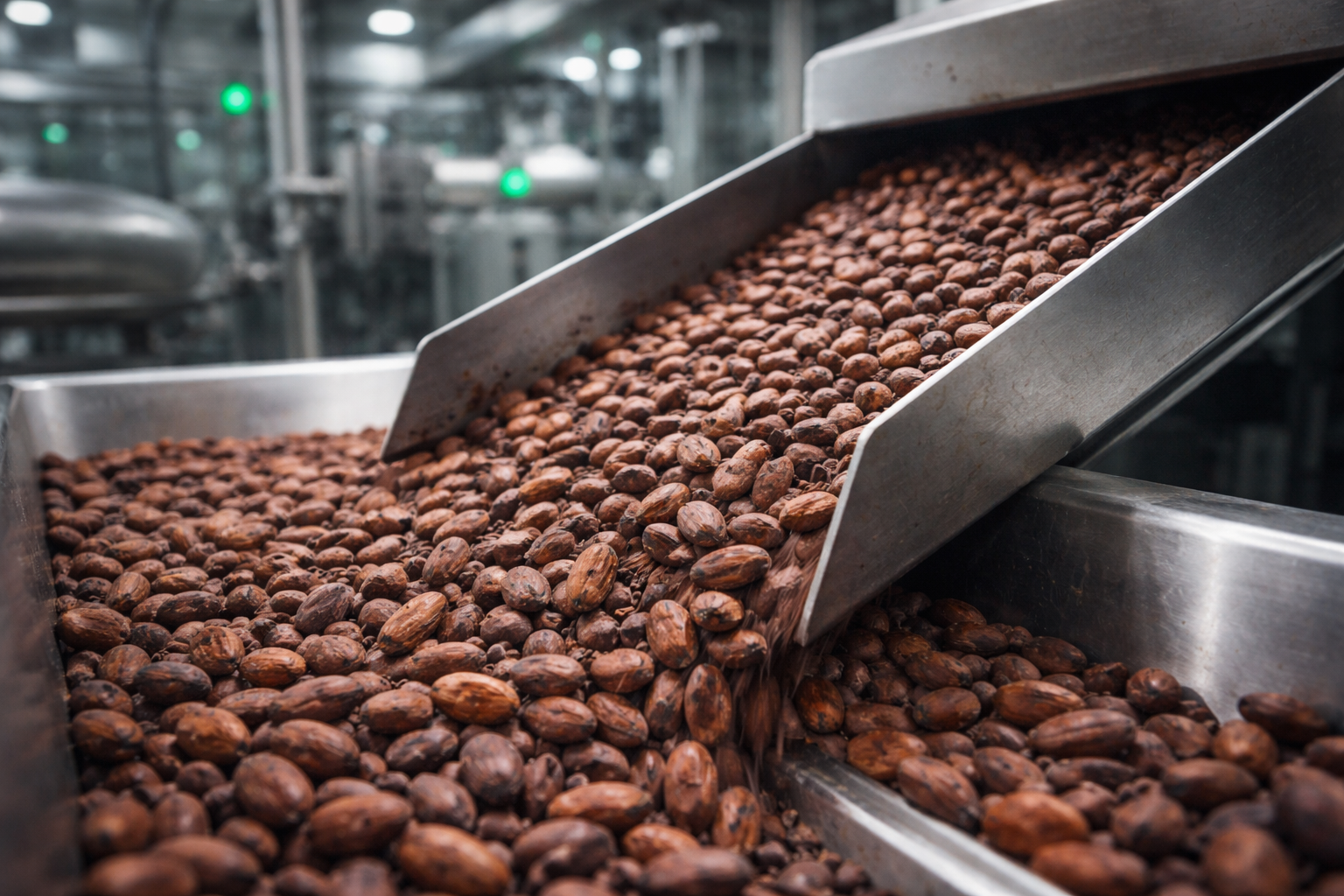
Cacao pulp is the moist, sweet material surrounding the beans inside the fruit. It contributes sugars and moisture during traditional cocoa fermentation, although a proportion can be separated and processed for juice, concentrate, puree, or other food applications.
Commercial recovery must begin close to harvest because the pulp is highly perishable. Once the pod is opened, natural microbial activity and fermentation develop rapidly, narrowing the period available for pressing, chilling, freezing, pasteurisation, concentration, or aseptic processing.
Trash uses cold-pressed fruit rather than concentrate, giving the finished drink a light tropical flavour and retaining naturally occurring nutrients. The formulation is comparatively simple, although the supply system behind the ingredient is more complex than the short ingredient list suggests.
Cocoa production is organised mainly around beans, which pass through fermentation, drying, export, roasting, grinding, pressing, and refining before becoming chocolate or cocoa ingredients. Pulp, pod husk, shell, and other fractions arise at different stages and cannot be collected or processed through one common route.
Recovery begins beside the farm
The high water content of cacao pulp makes long-distance transport in untreated form uneconomic and difficult to control. Collection centres or primary processors need to separate and stabilise the material near farms before deterioration reduces quality.
Cold pressing can preserve a fresher flavour profile, but the extracted liquid must then be protected from microbial growth and oxidation. Chilling or freezing adds energy and infrastructure requirements, while pasteurisation and concentration alter flavour, colour, and nutritional characteristics.
Pulp recovery must also remain compatible with bean fermentation. Removing too much material can change sugar availability, drainage, microbial succession, heat development, and the conditions required to produce well-fermented cocoa.
Collection protocols therefore need to specify how much pulp can be removed, at what stage, and from which fruit, without reducing bean quality. Cocoa remains the principal source of value, so an additional ingredient stream cannot undermine the product supporting the wider supply chain.
Where those controls are established, recovered pulp can provide farmers, cooperatives, or local processors with additional revenue. The commercial benefit depends on transparent purchasing, sufficient demand, and payment levels that justify labour, equipment, energy, storage, and transport.
Cocoa-growing regions have faced volatile prices, crop disease, changing weather, and persistent pressure on farmer incomes. Additional products cannot correct those structural problems alone, although they can increase the value obtained from each harvested pod.
Consistency will govern production growth
Beverage manufacture requires repeatable acidity, sugar content, flavour, colour, microbial quality, and solids. Cacao pulp varies with variety, origin, ripeness, season, weather, harvest practice, and the interval between opening and processing.
Larger production volumes will require specifications, blending, and supplier-quality controls capable of managing that variation. A small launch can absorb some seasonal character, while a nationally distributed drink is expected to remain recognisable throughout the year.
Microbiological controls must extend from the collection point to finished beverage production. Supplier approval, process validation, temperature records, traceability, cleaning, and transport conditions will determine whether the ingredient arrives with predictable quality.
The economics also include the movement of a diluted raw material. At 30% cacao fruit, the finished drink must carry the cost of collection, early processing, transport, canning, packaging, and distribution while remaining competitive within the beverage category.
Upcycled ingredients are gaining commercial use across beverages, bakery, snacks, and nutrition, with the strongest applications contributing flavour, texture, colour, nutrition, or processing functionality. Waste reduction alone rarely supports repeat purchase when the finished product does not perform.
Cacao fruit contributes a distinctive flavour and a credible ingredient function, giving Trash more than an environmental narrative. Continued growth will depend on whether the company can expand collection and stabilisation without losing the sensory consistency, food safety, and production economics established at launch.