IN Brief:
- Sidel has unveiled EvoFILL PET for water and other still beverages in PET bottles.
- The filler is designed to raise speed by up to 20%, exceed 90,000 bottles per hour, and cut footprint by up to 15%.
- The launch combines throughput gains with hygiene, CIP efficiency, and lower water and chemical use.
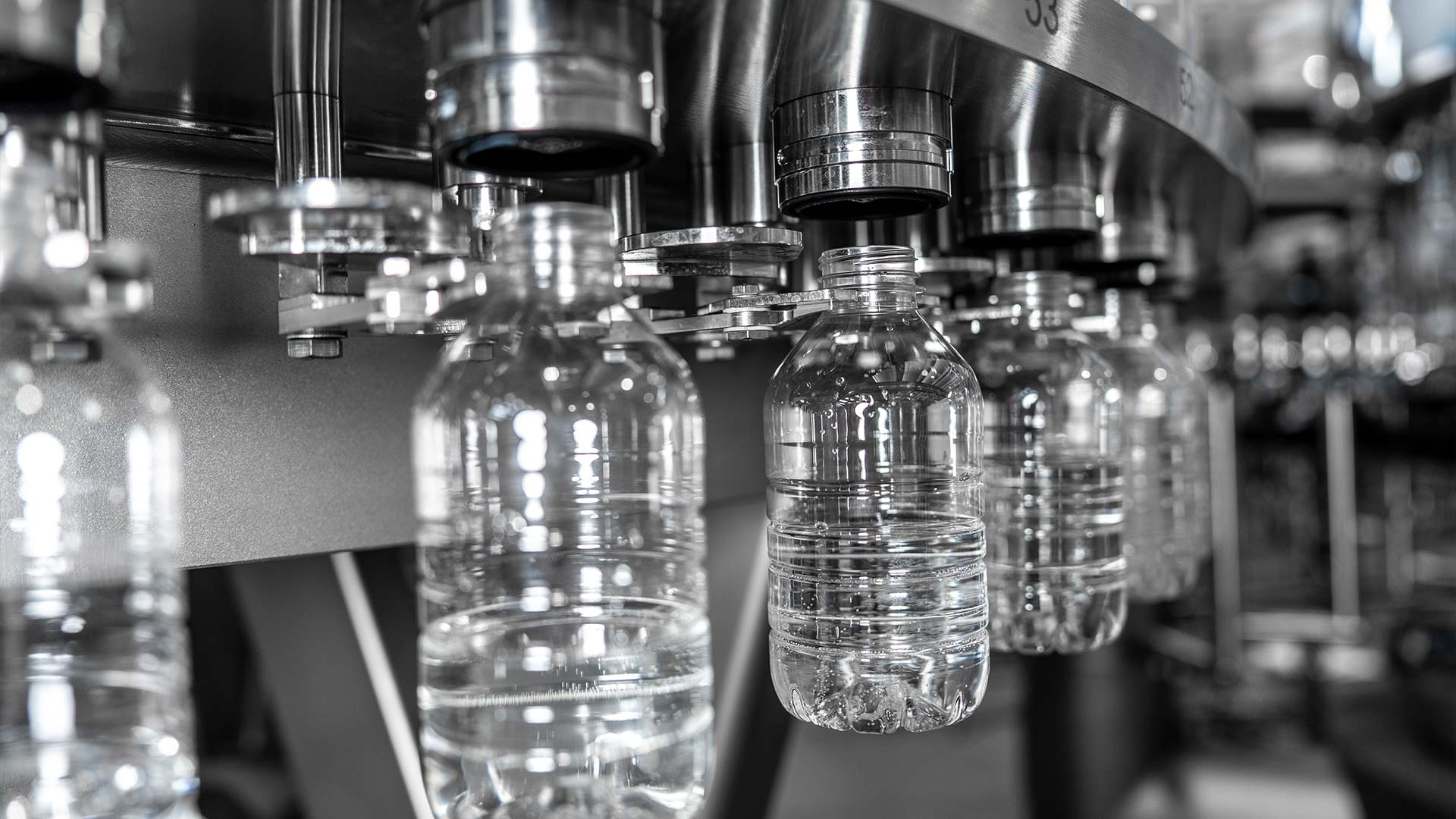
Sidel has launched EvoFILL PET, a new filler for water and other still beverages in PET bottles, combining higher throughput with a smaller footprint and lower cleaning demand as beverage plants push for more output from existing line space.
The machine is built around a redesigned filling valve developed through fluid-dynamics work to improve flow during filling. Sidel has said EvoFILL PET can increase speed by up to 20% over previous designs and exceed 90,000 bottles per hour. The system also uses a no-contact filling principle and volumetric flowmeter control, removing the need to change parts when adjusting fill levels and helping support more stable hygienic operation across different formats.
Cleaning performance is a major part of the pitch. EvoFILL PET incorporates automatic CIP dummy cups, shorter internal and external cleaning cycles, and a design intended to reduce the number of components and surfaces that need to be washed. Sidel is also highlighting a no-base layout that can reduce footprint by up to 15%, with the machine available in stand-alone, Combi, and Super Combi configurations.
That combination speaks directly to the direction of still-beverage production. The category is still anchored by water and high-volume staples, but plants are handling a broader range of SKUs, pack variations, and short-run requirements than they did a decade ago. Functional waters, flavoured variants, sports drinks, and promotional formats all increase the burden on line flexibility, changeover efficiency, and plant layout. Extra bottles per hour still matter, but so do faster cleaning, tighter line integration, and reduced utility use.
Space is becoming a more important constraint in its own right. Many beverage sites are trying to add output or reconfigure production inside buildings that were not designed for today’s mix of products, pack sizes, and automation demands. A smaller machine footprint can open up room for downstream equipment, future expansion, or simpler operator access without the cost and delay of wider site redevelopment.
Water and chemical consumption are also under closer scrutiny. Faster lines make downtime more expensive, and cleaning routines that run longer than necessary can quickly eat into both productivity and operating cost. A filler that trims wash time and reduces intervention points offers a gain that shows up every day, not only when the line is running flat out. That is one reason suppliers are putting sanitation performance alongside headline capacity in new launches.
EvoFILL PET is entering that market with a clear operational message. It promises more throughput, but it does so alongside reduced cleaning demand, easier fill-level adjustment, and more efficient use of floor space. In beverage production, those secondary gains often determine whether a speed increase is genuinely valuable or simply harder to live with.