IN Brief:
- Five Democratic lawmakers have urged FSIS to reject proposed pork and poultry line-speed changes.
- The proposed swine rule would remove the 1,106 head-per-hour cap for NSIS plants.
- The dispute places plant throughput, inspection, and worker safety back under federal scrutiny.
The USDA Food Safety and Inspection Service is facing renewed pressure over proposed line-speed rules for pork and poultry processing plants.
US Senator Cory Booker and US Representative Ro Khanna co-led a letter to USDA Under Secretary Mindy Brashears urging the agency not to proceed with changes that would permanently increase flexibility under modern slaughter inspection systems. Senator Bernie Sanders and Representatives Pramila Jayapal and Ilhan Omar also co-signed the letter.
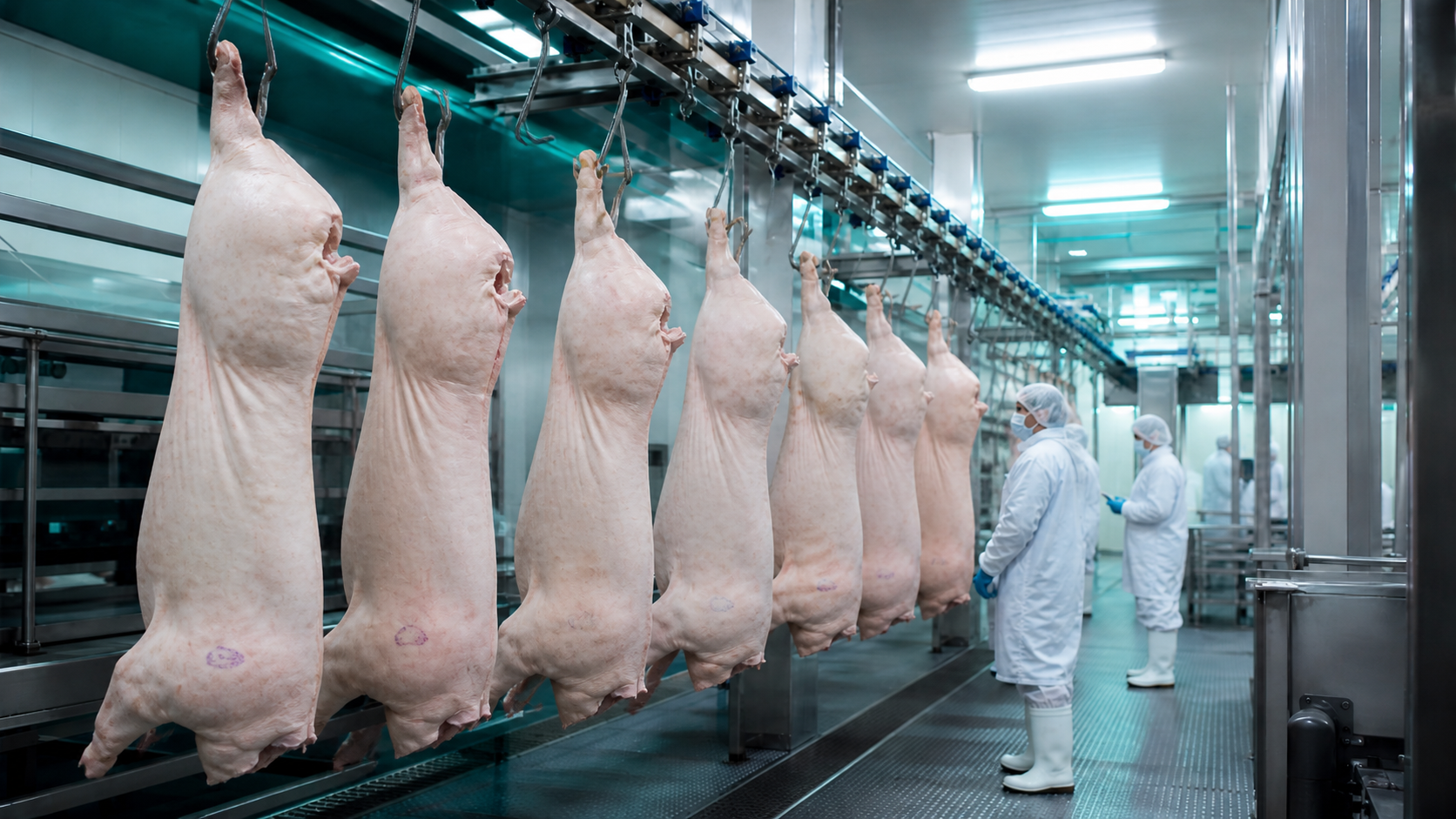
The challenge focuses on proposed regulatory updates affecting poultry and swine establishments operating under modernised inspection models. In pork plants operating under the New Swine Inspection System, the rule would remove the maximum line speed limit of 1,106 head per hour and allow establishments to set operating speeds based on their ability to maintain process control and comply with food safety requirements.
FSIS has said full carcass-by-carcass inspection and verification activities by federal inspection personnel would be maintained. Public comments on the proposed rules were invited through April 20.
The line-speed debate has been running for several years. In November 2021, FSIS allowed increased line speeds at six pork packing plants while gathering data on worker impacts. The agency later extended those trials and, in January 2025, released the results of a months-long study at six plants. The study found that line speeds were not determined to be the leading factor in worker musculoskeletal disorder risk at those plants.
By March 2025, USDA had moved toward making the NSIS increased line-speed programme permanent, a position welcomed by the National Pork Producers Council. NPPC has argued that greater efficiency supports financial security for producers and more stable processing capacity.
The legal backdrop has also shifted. A Second Circuit court in New York recently upheld USDA’s NSIS line-speed regulations at pork processing plants, affirming a lower court dismissal after ruling that plaintiffs had failed to allege concrete injury.
Line speed directly affects throughput and asset utilisation, especially at high-volume plants where fixed costs are substantial. A facility that can process more animals per hour can spread labour, energy, and compliance costs more effectively, but only if process control, staffing, training, and inspection systems keep pace.
Worker safety remains a central fault line. Meat and poultry plants involve repetitive cutting, wet floors, cold conditions, noise, and heavy production pressure. Even where line speed is not identified as the sole driver of musculoskeletal injury, faster operations can intensify existing hazards if staffing, ergonomics, rotation, and supervision are weak.
Food safety adds another layer. Modern inspection systems rely heavily on plant process control, data, and verification. That approach depends on mature management systems, accurate documentation, strong sanitation control, defect monitoring, and rapid corrective actions.
The FSIS decision will influence plant economics, producer returns, labour planning, and inspection modernisation across the US pork and poultry sectors. At a time when meat processors are under pressure to improve efficiency without losing public confidence, line speed remains one of the sector’s most contested operating levers.