IN Brief:
- Michigan State University researchers have developed five potato varieties for chip production.
- The varieties target disease resistance, long-term storage, and consistent frying performance.
- Potato breeding is becoming more closely linked to snack processing efficiency and raw-material resilience.
Michigan State University researchers have developed five potato varieties designed to improve chip supply reliability through stronger disease resistance, storage performance, and processing quality.
The varieties — Manistee, Mackinaw, Petoskey, Huron Chipper, and Blackberry — were developed through more than two decades of breeding work led by David Douches, professor in MSU’s Department of Plant, Soil and Microbial Sciences and director of the university’s Potato Breeding and Genetics Programme.
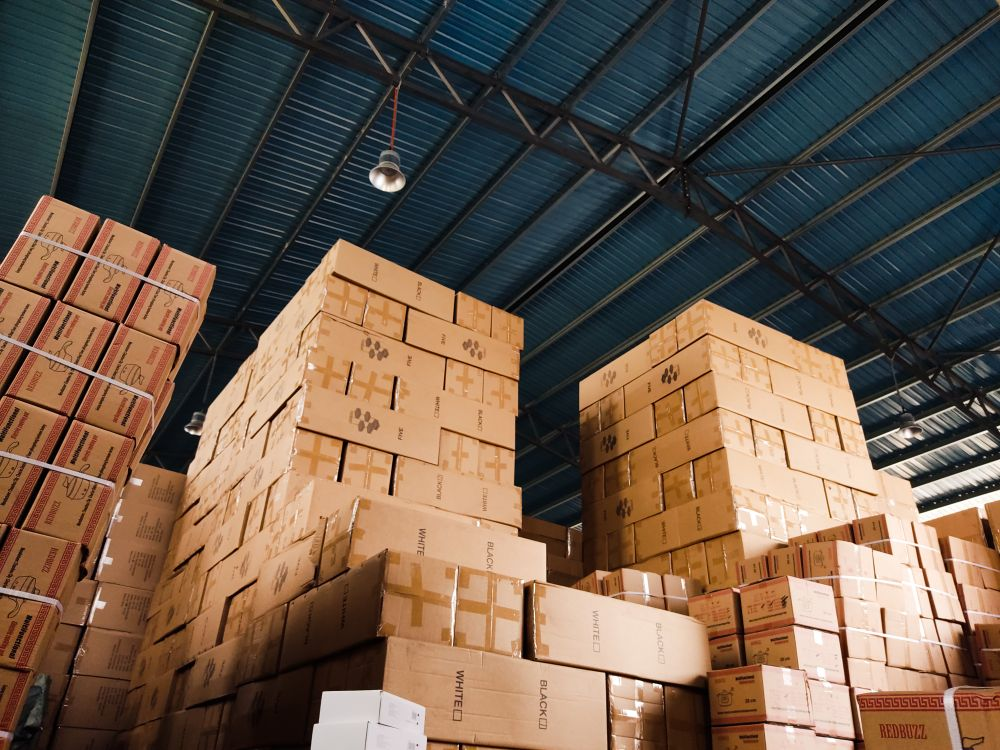
The work targets a long-running constraint in potato processing. Chips are manufactured throughout the year, while potatoes are harvested seasonally and may need to remain in storage for months. Varieties that lose quality in storage can affect colour, texture, taste, oil uptake, and frying performance late in the processing season.
MSU said the new varieties were developed to help growers produce potatoes that can withstand disease pressure, store for longer periods, and consistently fry light and crisp. Michigan is a major US chip potato state, with roughly 70% of its potato crop destined for chip processing and industry estimates suggesting around one in four bags of potato chips eaten in the US contains Michigan-grown potatoes.
Each variety targets a different processing challenge. Manistee was developed for long-term storage and late-season chip quality. Mackinaw combines storage stability with resistance to potato virus Y and late blight. Petoskey focuses on frying performance and starch content. Huron Chipper is positioned around yield and adaptability across regions, while Blackberry brings disease resistance into a speciality purple potato format.
The work links crop breeding directly to factory performance. Potato processors need raw materials that behave predictably inside industrial systems. Dry matter, sugar levels, bruising, disease damage, size profile, and storage response all affect peeling, slicing, frying, colour development, oil absorption, and finished-product consistency.
Cold storage can create additional pressure by increasing sugar levels in potatoes, which can darken fry colour and raise concerns around acrylamide formation during high-temperature processing. Stronger storage performance gives factories more flexibility, reduces rejection rates, and supports consistent quality deeper into the processing year.
The development reflects a wider shift in snack manufacturing, where agricultural inputs are increasingly designed around process performance rather than generic crop yield. Similar patterns are visible in wheat for bakery, cocoa alternatives for confectionery, oilseed crops for functional fat profiles, and protein crops for extrusion and texturising systems.
Climate volatility, disease pressure, input costs, and storage constraints are pulling crop genetics closer to manufacturing strategy. Seed selection, agronomy, storage, and processing performance are becoming linked parts of the same supply system.
Large snack manufacturers are also investing more directly in agricultural capability. PepsiCo has highlighted the role of proprietary potato varieties in Lay’s production, selecting crops for yield, disease resistance, nutritional profile, cooking quality, and taste. The direction joins breeding, field performance, storage, and factory yield into one product-development chain.
Commercial impact will depend on seed availability, grower adoption, regional performance, and storage results across multiple seasons. If the new varieties hold quality for longer and reduce processing variability, their value will be measured in fewer rejected loads, more consistent fry colour, lower waste, and steadier year-round production.