IN Brief:
- Glacier has appointed Tunc Tezel as group chief financial officer, replacing interim CFO Serkan Cagatay.
- The group produces private-label and co-manufactured ice cream and frozen desserts for European retailers and brands.
- Frozen dessert manufacturing is under pressure from energy costs, cold-chain complexity, and demand for flexible product formats.
Glacier has appointed Tunc Tezel as group chief financial officer, adding senior financial leadership to the European ice cream and frozen desserts business as it continues to build scale across private-label and co-manufacturing channels.
Tezel succeeds Serkan Cagatay, who had been serving as interim CFO. The appointment follows a period of expansion for Glacier, which operates as a frozen desserts platform serving retailers and brand owners across Europe.
The group’s model reflects a wider shift in European frozen food manufacturing, where retailers and branded food companies increasingly rely on specialist partners to supply own-label products, seasonal lines, premium formats, and innovation-led limited editions. For manufacturers, that creates opportunity, but it also places more pressure on capacity planning, product development, and cost control.
Frozen desserts are capital-intensive and operationally demanding. Ice cream and related products require close control of recipe systems, aeration, freezing, inclusion handling, packaging, allergen management, and distribution temperature. A small process variation can affect texture, overrun, eating quality, or shelf-life performance, especially where products contain sauces, particulates, coatings, or plant-based components.
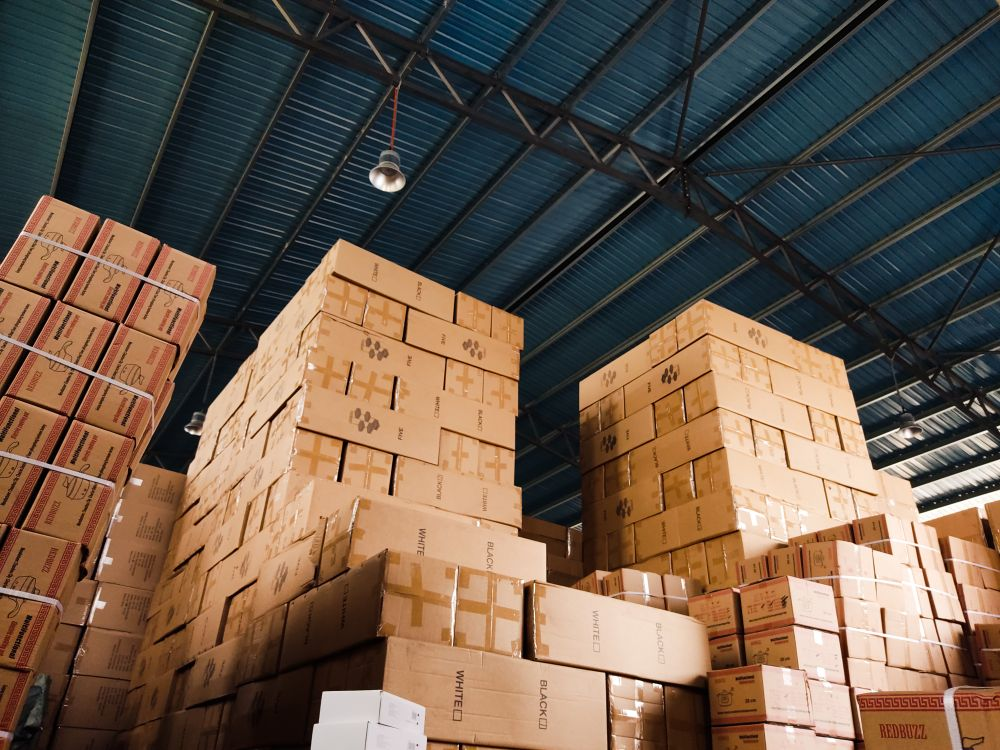
Cold-chain infrastructure sits at the centre of that cost base. Refrigeration, blast freezing, frozen storage, and temperature-controlled transport are not background utilities in frozen desserts; they are core production controls. Energy volatility has made that more visible, pushing manufacturers to examine compressor performance, freezer dwell time, warehouse flow, and the way production schedules interact with refrigeration load.
That operational direction is already appearing elsewhere in frozen food. Rockwell Automation and Actemium’s autonomous AI deployment for frozen refrigeration showed how manufacturers are using control systems to reduce energy consumption and mechanical strain while maintaining product conditions.
Glacier’s leadership appointment comes as frozen dessert manufacturers face a more fragmented market. Value lines need to remain cost competitive, while premium ranges often require more complex inclusions, smaller batches, and stronger quality controls. Plant-based, high-protein, portion-controlled, and indulgent formats all add manufacturing choices that can either lift margin or erode throughput.
Private-label growth offers scale, but retailer programmes can bring tight pricing, frequent range changes, and short innovation windows. Co-manufacturing can help brand owners launch products without investing in dedicated assets, but the manufacturer takes on the complexity of handling multiple specifications, customer audits, and demand patterns across shared lines.
Finance leadership in that environment is closely connected to factory performance. Capital allocation, line utilisation, energy strategy, and working capital in frozen inventory all shape profitability. A frozen desserts group can grow revenue while still losing efficiency through changeovers, cold-store bottlenecks, ingredient complexity, or avoidable waste.
Glacier’s next phase will depend on how well it aligns commercial growth with operational discipline. European frozen dessert demand can support private-label and co-manufacturing expansion, but manufacturing scale has to be matched by energy control, flexible production, and reliable cold-chain execution.