IN Brief:
- Applied Nutrition has agreed a $16m deal for Nutrablend Group assets in the US.
- The acquisition includes a Buffalo manufacturing and warehousing facility.
- The deal supports North American growth, faster NPD, lower logistics exposure, and reduced reliance on UK export production.
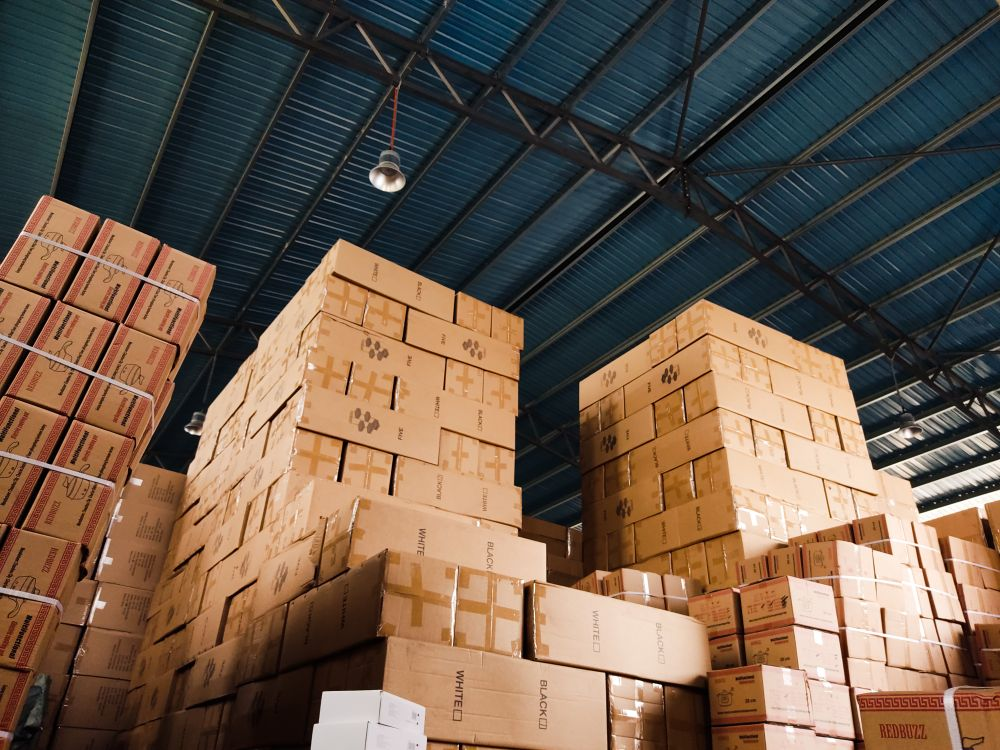
Applied Nutrition has agreed a $16m deal to acquire US sports nutrition manufacturer Nutrablend Group, adding manufacturing, warehousing, design, and R&D capacity in Buffalo, New York.
The Merseyside-based business will acquire the trade and majority of Nutrablend’s assets, including a manufacturing and warehouse facility independently valued at about $7m. The deal also includes production equipment, inventory, and Nutrablend’s in-house brands Basic Supplements and GR8 Lifestyle.
Applied Nutrition expects the Buffalo site to support up to around $300m of annual revenue capacity in the US market. The facility is expected to contribute at least $30m of revenue in FY27 at a high single-digit EBITDA margin, while the EBITDA contribution in FY26 is not expected to be material.
The acquisition comes alongside a collaboration with Mondelēz International to develop and manufacture AN Supps & SOUR PATCH KIDS and AN Supps & SWEDISH FISH branded sports nutrition products. The initial range is expected to launch from August 2026 through about 2,200 Walmart stores and 1,300 GNC corporate stores.
The Nutrablend deal gives Applied Nutrition a stronger North American manufacturing base at a point when its US ambitions are accelerating. Exporting from the UK brings freight costs, lead times, import exposure, stockholding pressure, and slower response to local demand. A Buffalo facility reduces those constraints while freeing capacity at the company’s UK operations.
Applied Nutrition has also upgraded expectations for the financial year ending 31 July 2026, with revenue now expected to be about £148m excluding Nutrablend. That growth sits inside a broader shift in sports nutrition, where powders and specialist gym products are being joined by mass-market bars, beverages, gummies, meal replacements, licensed flavours, and functional snacks.
Protein and active nutrition have become a mainstream manufacturing battleground. Danone takes Oikos into ambient protein shakes showed how dairy brands are moving high-protein products into shelf-stable beverage formats, while Arla targets GLP-1 companion dairy nutrition set protein-rich dairy in the context of weight-management demand and GLP-1 use. Applied Nutrition’s US investment adds a branded sports-nutrition manufacturing route to that same market direction.
Sports nutrition production has become more technically varied as the category has broadened. Powder handling, blending, flavour masking, sweetener systems, allergen control, packaging flexibility, testing, and fast changeovers all influence whether manufacturers can keep pace with flavour-led launches and retail promotions. Licensed confectionery formats add another layer because taste accuracy, colour, aroma, and consumer recognition are central to repeat purchase.
The Mondelēz collaboration will place those demands under a large US retail spotlight. Producing closer to Walmart, GNC, and other North American customers can support shorter replenishment cycles, faster product development, and more efficient inventory planning. It also lowers the need to ship finished product across the Atlantic for a category that can move quickly around flavour trends and promotional windows.
Regional manufacturing also gives Applied Nutrition more resilience. Supply chains built entirely around long-distance finished-goods movement are vulnerable to freight delays, currency swings, demand spikes, and customs disruption. A US production base shortens the distance between forecast, manufacture, warehouse, and customer, which is valuable in a category where distribution gains can arrive quickly.
Integration will require discipline. Acquiring a facility means aligning quality systems, ingredient sourcing, planning, compliance, culture, and manufacturing standards. Sports nutrition carries its own testing and claims expectations, and major retailers will expect consistent service levels as well as product quality.
The Buffalo deal turns North America from a sales target into a production platform for Applied Nutrition. For a UK-listed nutrition business competing in a fast-moving global category, that gives the company a stronger operating base for growth, while placing manufacturing capacity at the centre of its US expansion plan.