IN Brief:
- JBM Packaging has opened a 52,500-square-foot facility in Lebanon, Ohio, for filling, kitting, storage, and contract packing.
- The company says the site increases overall machine capacity by around 50% and includes climate-controlled storage.
- Relocating contract-packing work also frees space at JBM's existing plant for additional paper-packaging manufacturing equipment.
JBM Packaging has opened a 52,500-square-foot facility in Lebanon, Ohio, expanding its contract-packing, filling, kitting, and storage capacity while releasing space at its existing headquarters for further paper-packaging machinery.
The purpose-built operation is located about one mile from JBM’s main manufacturing site. The company says it increases overall machine capacity by around 50% and can support up to 50 additional employees as contract-packing volumes increase.
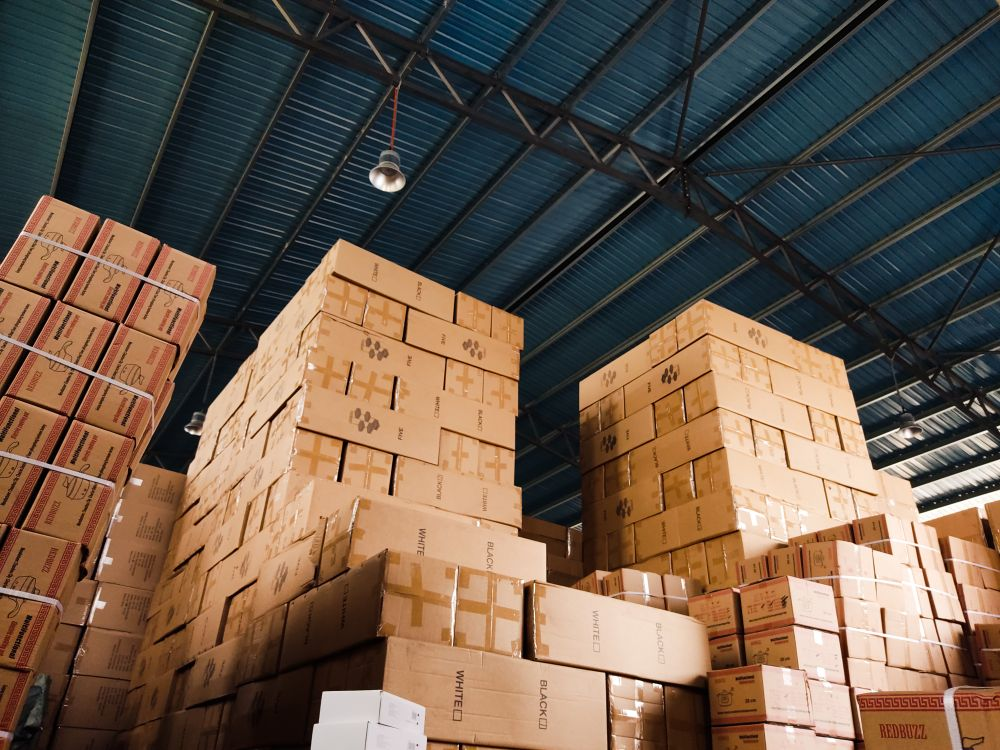
Equipment includes commercial filling machinery, high-density warehousing, and a 35,000-cubic-foot climate-controlled storage room. Seed packaging accounts for part of the controlled-storage requirement, while JBM is also positioning the new operation for wider consumer packaged goods work.
The company supplies markets including food, health and beauty, home goods, medical products, apparel, and agriculture. Its broader strategy is to combine manufacture of the package itself with downstream services such as filling, assembly, kitting, storage, retail-display preparation, and distribution support.
Contract packing can allow manufacturers to introduce new formats or absorb seasonal peaks without installing dedicated equipment inside their own plants. It is also used for lower-volume products, promotional work, market launches, and operations that sit outside a manufacturer’s core process capability.
The commercial advantage increases when several stages can be concentrated with one supplier. Separate packaging converters, filling contractors, assemblers, warehouses, and logistics providers create additional transport, inventory, scheduling, quality, and traceability interfaces.
JBM’s Lebanon investment is intended to remove some of those hand-offs. One model described by the company covers manufacture of a seed packet, sourcing and storage of the contents, filling, assembly into a retail display, and preparation of the finished goods for distribution.
Food applications impose additional requirements. Filling and packing operations have to be matched with the hygiene, allergen, environmental, traceability, and food-contact controls required by the specific product rather than treated as a generic extension of packaging capacity.
The new building replaces contract-packing work previously operated from rented premises in Cincinnati’s Queensgate district. JBM had identified limited ceiling height, storage constraints, and separation from its Lebanon manufacturing base as barriers to further expansion.
The purpose-built site has 28-foot clear height and a layout intended to improve material flow. Its proximity to headquarters should also reduce transfers between sites compared with the previous arrangement, particularly where packaging produced at the main plant has to move into filling or kitting.
Relocation has a second capacity benefit. Moving contract-packing activity out of the original plant frees manufacturing floor space where JBM plans to install additional paper-packaging equipment.
That link matters because the company positions itself heavily around fibre-based packaging. Customers considering a move from another material may be able to combine a packaging-format change with outsourced filling or assembly rather than solving the two engineering changes separately.
The Lebanon project was originally announced in 2025 after growing kitting and filling volumes created a space constraint. The completed site converts that capacity plan into an operating asset and gives the business more room to pursue work that crosses packaging manufacture and downstream fulfilment.
Climate-controlled storage adds flexibility where contents or packaging materials require tighter environmental conditions than conventional warehousing. In food applications, temperature and humidity can affect product quality, packaging performance, powders, dry ingredients, and certain sensitive materials even where chilled storage is unnecessary.
Machine capacity is only one measure of the expansion. Contract-packaging performance also depends on labour availability, changeover efficiency, line utilisation, material staging, inspection, coding, stock accuracy, and the ability to switch between customers without creating contamination or traceability problems.
That becomes more demanding as the product mix widens. A site capable of running seed packs, consumer goods, and food products has to maintain clear segregation between process requirements rather than assuming a common operating standard is sufficient for every contract.
JBM’s new facility was also developed with room for further expansion. The surrounding site can accommodate another building of roughly similar scale if demand warrants a later phase, although no second construction project has yet been confirmed.
The immediate investment therefore addresses both an external growth opportunity and an internal constraint. Contract packing gains more dedicated machinery and storage, while the original headquarters regains floor space for paper-packaging production.
The next measure will be utilisation. A 50% increase in machine capacity creates headroom, but the commercial return depends on converting that space into sustained filling, kitting, and packaging volumes while maintaining the controls demanded by different customer sectors.
For food and beverage customers, the strongest proposition will be where packaging manufacture and packing operations can be integrated without adding unnecessary transport or hand-offs. The Lebanon opening gives JBM more physical capacity to make that case, but the quality of execution will determine whether the additional square footage becomes a genuine manufacturing advantage.