IN Brief:
- Froneri’s premium ice cream brands continue to support growth across the group.
- Packaging, sourcing, palletisation, energy use, and cold-chain efficiency are becoming central operating priorities.
- Frozen dessert manufacturers are balancing premium product development with tighter cost, carbon, and logistics pressures.
Froneri is linking premium ice cream growth with sustainability work across packaging, sourcing, energy use, and logistics as frozen dessert manufacturing becomes more operationally demanding.
The ice cream manufacturer, formed as a joint venture between Nestlé and PAI Partners, operates a portfolio that includes brands such as Häagen-Dazs, Nuii, Oreo, and Cadbury. Premiumisation, snacking formats, and brand-led development have helped support momentum, but the category’s growth depends on much more than flavour and marketing activity.
Ice cream manufacturing draws on dairy inputs, cocoa, sugar, inclusions, stabilisers, packaging materials, refrigeration, cold storage, and temperature-controlled distribution. Seasonal demand adds further complexity, with plants and cold stores having to prepare for volume peaks while maintaining product quality and availability.
Froneri’s sustainability work sits inside that operating model. Reducing packaging material, improving palletisation, lowering energy use, and strengthening sourcing standards can affect cost, efficiency, and resilience across the manufacturing network. In frozen categories, small changes in case fill, packaging weight, freezer utilisation, transport efficiency, and cold-store planning can compound quickly across high-volume distribution.
Premium ice cream also carries higher technical demands than many standard frozen formats. Products may include coatings, sauces, inclusions, layered textures, multipacks, cones, tubs, sticks, and handheld formats, each with its own production and packaging requirements. The more complex the product, the more important it becomes to control formulation, line speed, allergen systems, sealing, wrapping, freezing, and handling.
Dairy packaging developments have been moving in the same direction. ProAmpac’s expanded dairy packaging range brought recyclable, compostable, PCR, and fibre-based options into cheese, butter, cultured dairy, and powder formats, while Tetra Pak’s paper-barrier carton rollout showed how packaging suppliers are moving lower-impact structures into commercially important pack sizes. Frozen desserts face the same pressure, but with added temperature and handling constraints.
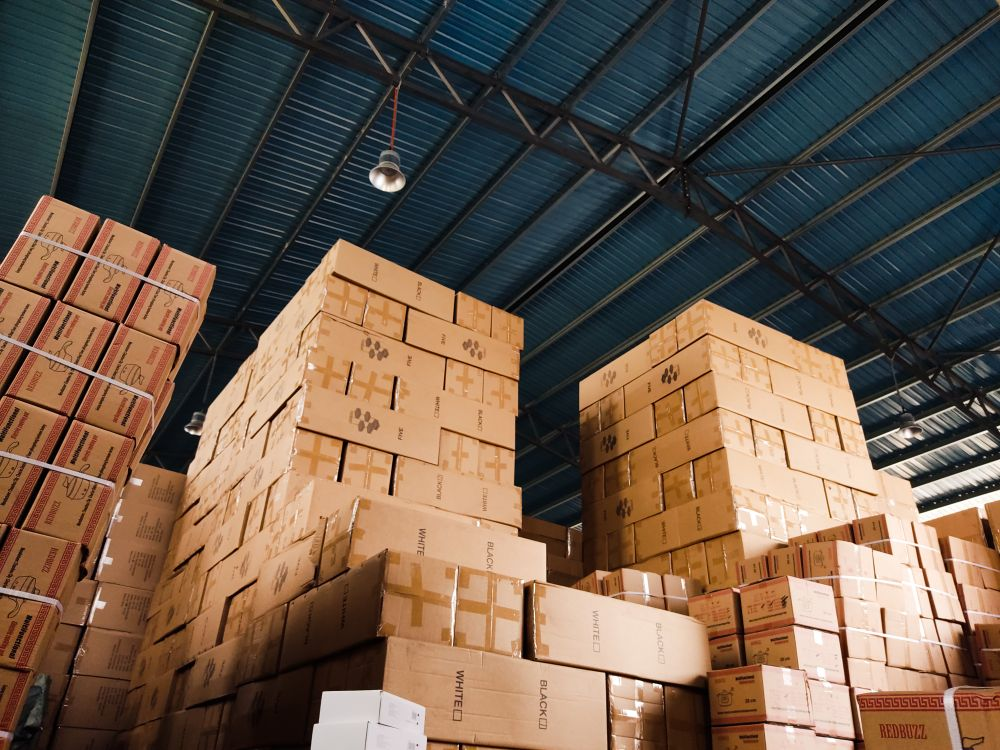
Ice cream packs must protect against moisture, freezer burn, contamination, aroma loss, physical damage, and presentation failures. Secondary and tertiary packaging also have a direct bearing on frozen logistics, because cube efficiency, pallet stability, damage rates, and warehouse handling all affect the cost of distribution.
Energy remains one of the largest structural pressures. Frozen dessert plants depend on refrigeration, process heat, cleaning systems, compressed air, and cold storage, all while operating within strict hygiene and quality requirements. Improvements in refrigeration control, heat recovery, insulation, site energy management, and transport planning can reduce exposure to volatile operating costs, but they require coordinated investment rather than isolated equipment changes.
Sourcing adds another layer. Dairy, cocoa, nuts, fruit preparations, flavours, and inclusions all carry exposure to commodity pricing, climate risk, traceability expectations, and supplier performance. Premium brands cannot easily absorb sensory compromise, which means sourcing strategies need to protect taste, texture, and consistency while still supporting environmental and social commitments.
The frozen dessert category is also becoming more concentrated around large operators with the scale to manage brand investment, freezer logistics, retailer relationships, and factory complexity. That scale creates procurement and distribution advantages, but it also raises expectations around operational discipline. Missed service levels, packaging failures, or energy inefficiencies can erode the margin created by premium positioning.
Froneri’s direction reflects a broader shift in dairy and frozen food manufacturing. Product development still drives consumer interest, but manufacturing performance determines whether growth can be sustained. Packaging efficiency, cold-chain control, sourcing resilience, and energy management are moving from support functions into the centre of category strategy.