IN Brief:
- All frozen products under three linked brands are covered by the alert.
- The products include chicken, beef, fish, and vegetarian frozen goods.
- The case puts hygiene evidence, traceability, and withdrawal execution under immediate scrutiny.
Inarah’s Frozen Foods Ltd is at the centre of a UK-wide food safety alert covering all frozen products sold under the Inarah’s Frozen Foods, Inarah’s Fine Foods, and New York Crispy labels.
The Food Standards Agency has advised that affected products should be removed from sale and not consumed because of food safety concerns. The alert covers all pack sizes and all best-before dates, making it broader than a conventional single-batch recall. Food businesses selling the products have been told to stop sales immediately, withdraw stock, and carry out recalls where retail sales have already taken place.
The affected labels cover a wide range of frozen foods, including chicken, beef, fish, and vegetarian items. Products are included where they carry one of three company names and addresses: Inarah Frozen Foods Ltd at Regal Drive, Walsall; Four Seasons Food Group at Unit 7-8 Monarch Works, Elswick Road, Fenton Industrial Estate, Stoke-on-Trent; or KBH Foods at BD9 4TS.
The regulator’s risk statement centres on the company’s inability to demonstrate that the products have been produced and handled safely. Products that have not met food hygiene and safety requirements may be unsafe to eat. The affected goods are known to have been supplied to food businesses across the UK.
The breadth of the alert creates a large retrieval task across wholesale, retail, catering, and local authority networks. Rather than checking a single product, date code, or batch number, businesses must identify all stock carrying the relevant labels and addresses. That kind of alert leaves little room for narrow interpretation at store, depot, or freezer level.
Frozen food safety can be misunderstood because low temperatures slow microbial growth and extend storage life. Freezing does not remove the need for effective hygiene controls, approved processes, temperature management, supplier assurance, allergen control, labelling accuracy, and traceability. Frozen products can still carry risks created before freezing, during handling, through poor segregation, or through breaks in temperature control.
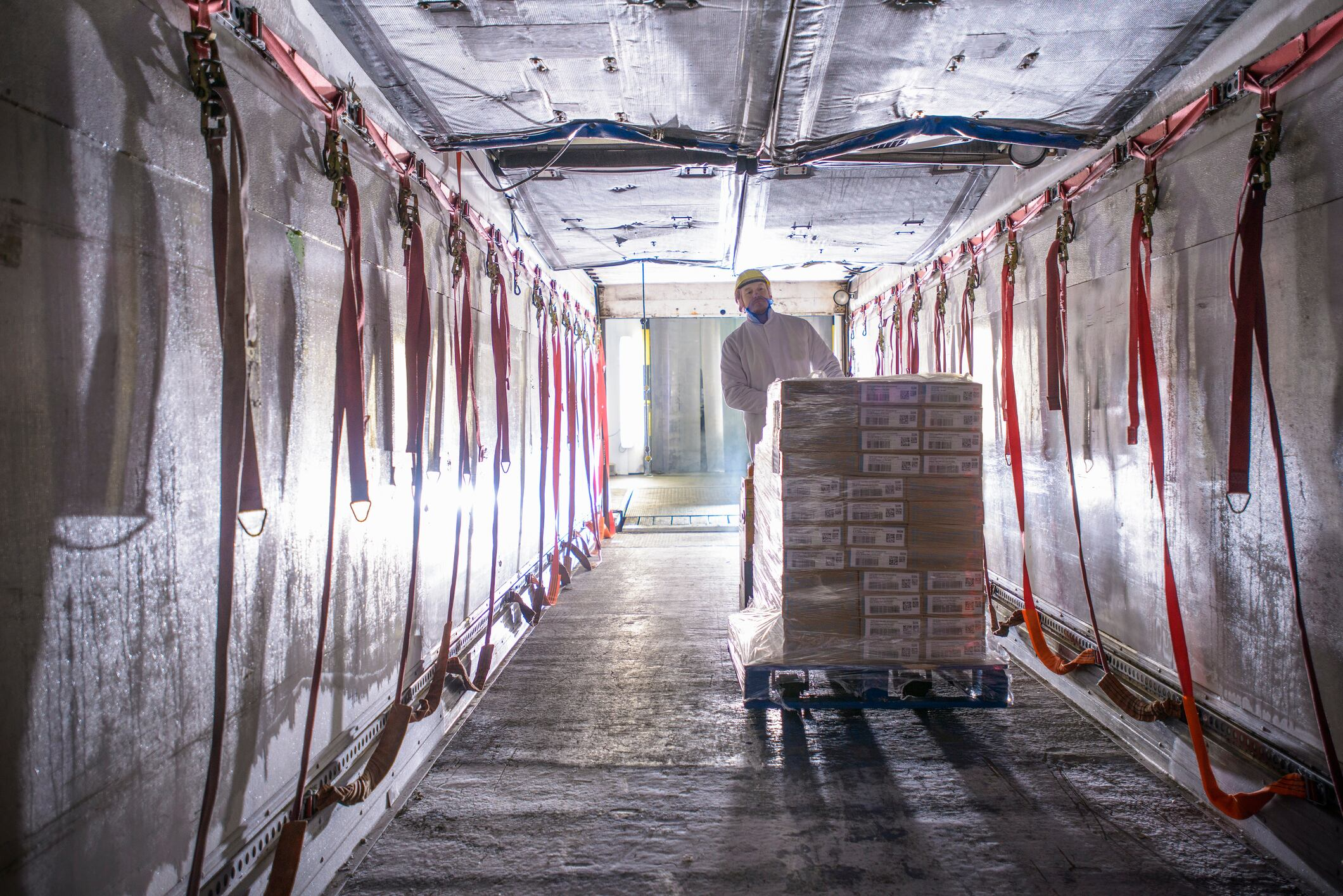
The operational challenge extends beyond the manufacturer. Once product has moved through cold stores, wholesalers, independent retailers, cash-and-carry networks, foodservice operators, and online channels, recall execution depends on accurate distribution records and clear product identification. A broad alert covering all pack sizes and dates increases the risk that stock remains in circulation unless every link in the chain responds quickly.
The UK food safety framework has been under wider scrutiny, including legal challenges around Food Standards Agency charging for slaughterhouse controls and continuing debate over how inspection systems are funded and applied. The Inarah alert comes from a different area of enforcement, but it reinforces the same operational requirement: food businesses must be able to show that control systems are current, credible, and available under inspection.
Traceability will be central to the response. A frozen product range can move through fragmented routes before reaching the final user. If records are incomplete, if product names vary, or if brand and address information is not checked carefully, affected goods can remain in the chain after an alert has been issued. That risk increases where multiple labels and distribution channels are involved.
Small retailers and foodservice businesses may carry part of the practical burden. Many do not operate the same stock-control systems as major retailers, yet they still need to identify affected products, remove them from sale, communicate with customers where required, and dispose of goods safely. Local authorities become important in turning national alerts into action at freezer and shelf level.
For manufacturers, the wider production lesson is clear from the structure of the alert. Food safety evidence has to be built into daily operations rather than assembled after a problem emerges. HACCP documentation, cleaning records, temperature logs, supplier checks, maintenance records, pest control, training, corrective actions, and product traceability need to be complete enough to withstand review.
The frozen category is commercially exposed when alerts are broad because products can remain in storage for long periods. Chilled recalls often benefit from shorter code life, while frozen items may sit in retailer, foodservice, or consumer freezers well beyond the date of the initial warning. That makes communication, visibility, and accurate product identification especially important.
Businesses handling affected products should already have removed stock from sale and followed the recall route set out by regulators. The immediate priority is public safety, while the longer-term focus will fall on how production, documentation, and distribution controls allowed such a wide alert to become necessary.
A frozen product may be packed, coded, and distributed, but compliance depends on the evidence behind it. Where safe production and handling cannot be demonstrated, the chain can be brought to a halt across every product carrying the affected labels.