IN Brief:
- EU all-milk deliveries are forecast at 152.8 million metric tonnes in 2026.
- Cheese production is expected to rise as processors prioritise higher-value use of milk.
- Butter and skimmed milk powder output are forecast to decline as milk allocation tightens.
USDA Foreign Agricultural Service forecasts point to a sharper product-allocation divide across EU dairy processing, with cheese production expected to absorb more available milk during 2026.
EU all-milk deliveries are forecast at 152.8 million metric tonnes in 2026, 0.1% above 2025. Cows’ milk deliveries are expected to reach 148.6 million metric tonnes, also up 0.1%, while other milk production, largely from sheep and goats, is forecast to fall by 0.5%.
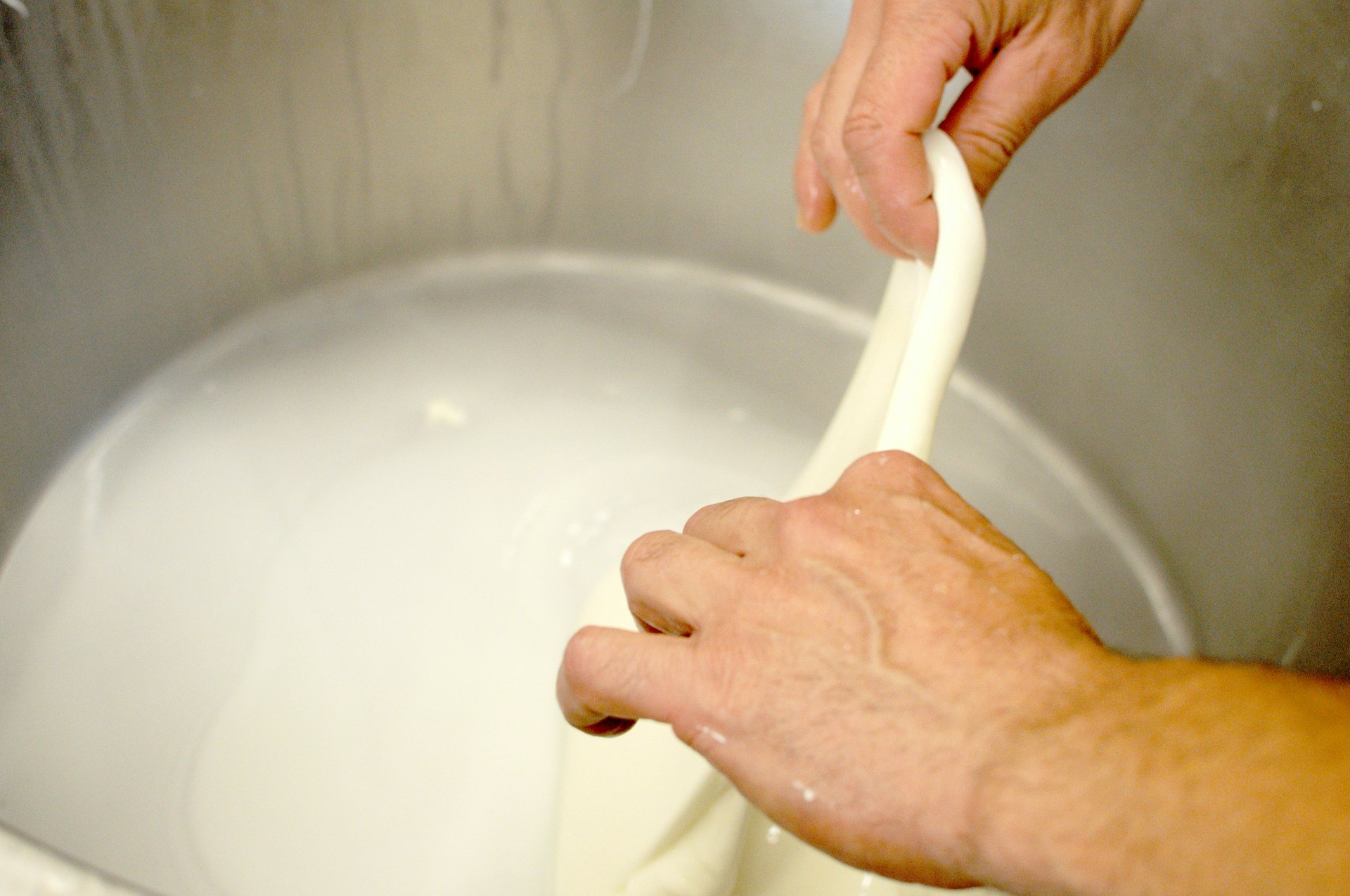
The headline increase is modest, but the internal movement of milk is more significant. Factory use is forecast to rise slightly, while cheese production is expected to remain the EU dairy industry’s primary objective. EU27 cheese output is forecast to increase by 0.8% over 2025 levels to 11 million metric tonnes.
Domestic consumption, hospitality, tourism, and solid export demand are supporting that shift, even though cheese exports are forecast to ease to 1.4 million metric tonnes. International trade tensions, geopolitical uncertainty, and higher freight costs are expected to limit export growth, despite new opportunities from EU trade agreements.
Butter and skimmed milk powder will carry the other side of the allocation decision. EU27 butter production is forecast at 2.15 million metric tonnes, 1.4% lower than in 2025, while skimmed milk powder production is forecast at 1.48 million metric tonnes, down 3.3%. Milk directed into cheese production will reduce availability for other products, while butter stocks left over from 2025 are expected to help cover demand.
Farm economics remain tight underneath those production choices. Cow numbers are forecast to fall by 0.7% in 2026, with productivity gains compensating for the smaller herd. Farmgate milk prices began falling sharply from the third quarter of 2025 and were 6% below the five-year average in March 2026, while energy and fertiliser costs continue to weigh on smaller producers.
Fluid milk demand remains under structural pressure. Domestic consumption is forecast to fall to 23.1 million metric tonnes in 2026, down 0.7%, leaving more strategic weight on conversion into cheese, butter, powders, ingredients, and cultured products. The use of milk inside the factory is increasingly the critical value decision.
Cheese offers processors a broader set of value levers than many commodity categories. Format, maturation, protein, fat, application, branding, foodservice specification, and export positioning can all affect returns. Butter and skimmed milk powder remain essential outlets, but their economics are more exposed to stock levels, global trade, and commodity pricing.
Investment programmes such as Kinisla’s €300m dairy plan reflect the same direction of travel, with farmer-owned processing groups looking for higher-value routes through ingredients, consumer foods, and sustainability-linked production. Slightly higher milk deliveries do not remove the need for that shift; they sharpen the question of where each litre earns its place.
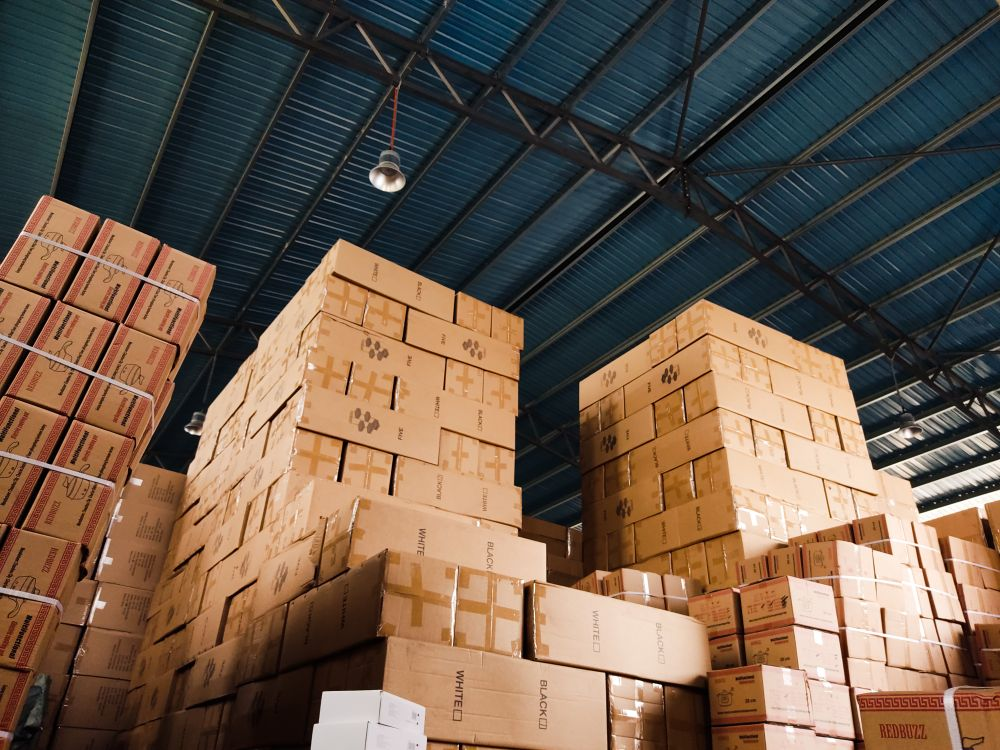
The cheese priority also affects plant planning. More cheese output requires vat capacity, cutting, pressing, salting, maturation space, packaging, cold storage, and logistics support. A processor cannot simply switch milk into cheese without considering downstream constraints, especially where maturation ties up working capital and warehouse space for extended periods.
The powder reduction carries its own consequences. Skimmed milk powder remains important for export, ingredients, bakery, confectionery, recombined dairy, and foodservice applications, but weaker domestic and export demand can leave plants exposed if drying capacity is overused in a soft market. Lower output may help prevent oversupply, though customers that depend on EU powder will still watch availability and price movement closely.
Butter’s forecast decline will be shaped by domestic demand, stock drawdown, and export competitiveness. High stocks can soften the immediate effect of lower production, but inventory is not a permanent substitute for factory output. As stocks unwind, fat allocation could become more sensitive to cheese production, cream demand, and retail butter pricing.
The EU dairy outlook is therefore less about a simple increase in milk deliveries and more about the hierarchy of uses inside the processing system. Cheese is set to take priority because it offers stronger value routes, while butter and skimmed milk powder adjust around that decision. Stable milk supply no longer means stable product availability; the allocation of milk components is becoming the main industrial variable.