IN Brief:
- Nearly 500 Eddie Stobart HGV drivers supplying Morrisons stores across northern England have called off planned strike action.
- The agreement includes concessions on reducing temporary labour reliance and aligning employment terms for permanent staff.
- The case highlights the sensitivity of grocery logistics networks to labour models, agency use, and distribution depot resilience.
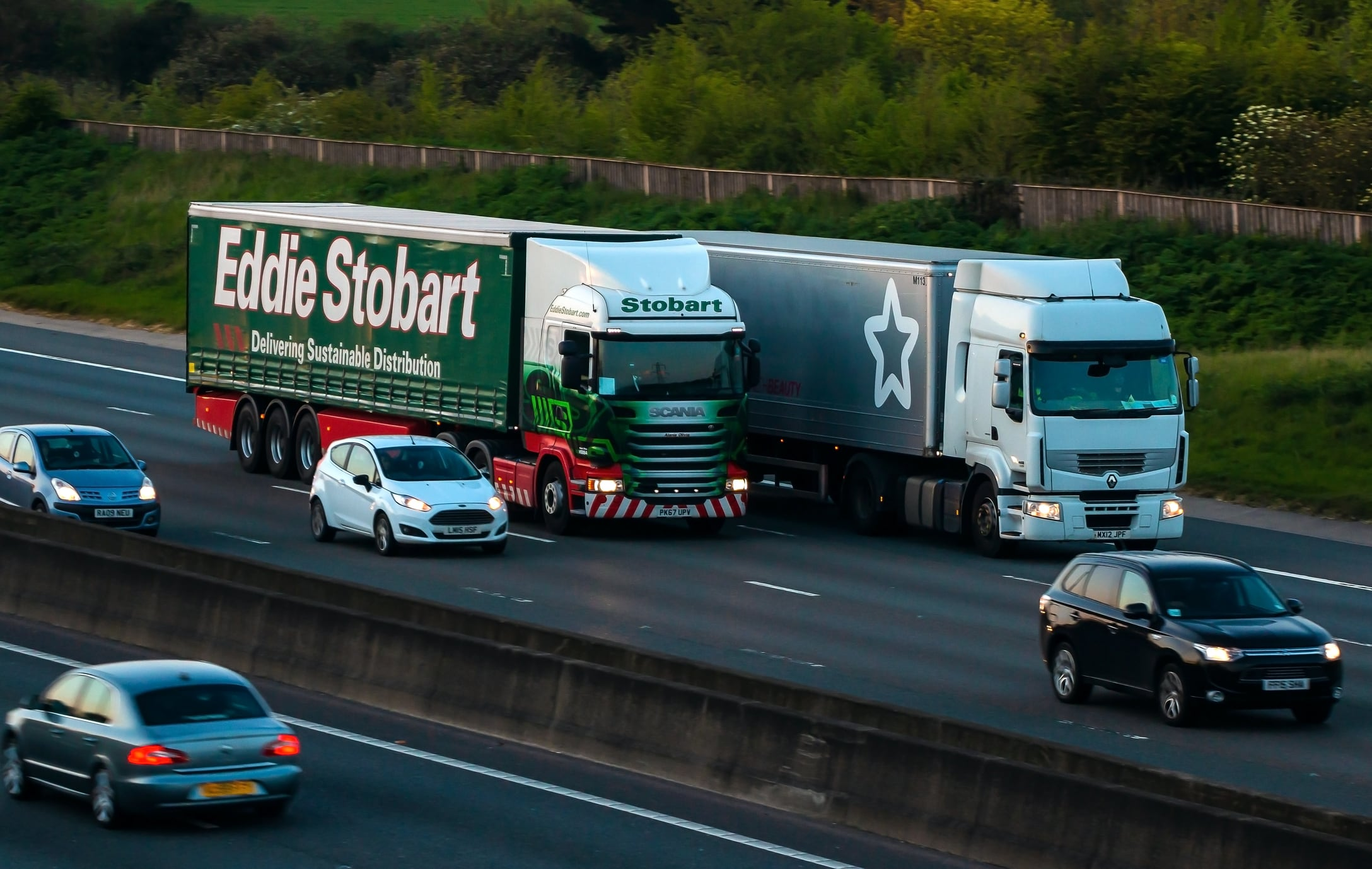
Eddie Stobart HGV drivers supplying Morrisons supermarkets across northern England have called off planned strike action after securing concessions over the use of agency labour and employment terms.
The dispute involved close to 500 drivers operating from Morrisons-linked distribution depots in Wakefield, Stockton-on-Tees, and Northwich. The drivers, employed by Eddie Stobart, had voted for strike action amid concerns that increased use of agency labour was weakening employment standards and undermining the terms available to directly employed staff.
The agreement is expected to reduce reliance on temporary workers and increase permanent staffing. Permanent staff will be placed on the same hourly pay rates, allowances, holiday entitlement, and sick pay arrangements as colleagues, resolving the immediate threat of strike disruption.
Although the dispute did not centre on food production itself, supermarket supply chains depend on tightly managed flows between production sites, consolidation points, depots, and stores. When a distribution network relies heavily on specific depots, a localised labour dispute can create a wider service risk, particularly where chilled, fresh, and high-volume ambient lines move through fixed delivery schedules.
Food logistics is already running against several pressures. Driver availability, agency labour, fuel costs, urban access restrictions, delivery windows, warehouse staffing, and temperature-controlled compliance all affect the reliability of store supply. A strike threat can expose how little slack is available in the system, especially when the dispute involves core grocery movements rather than peripheral transport activity.
The Morrisons case also underlines the importance of employment models in distribution resilience. Agency labour can provide flexibility, but high dependence on temporary staff can raise questions around skills continuity, route familiarity, safety performance, and workforce trust. The quality of the labour model can directly influence service reliability, turning a contractual decision into a replenishment, customer service, and waste issue.
Labour visibility remains a wider challenge across the logistics sector. Analysis of the UK’s hidden warehousing workforce has shown how many logistics roles are embedded inside retail, manufacturing, wholesale, and food distribution, leaving the operational importance of the workforce greater than its visibility in policy discussions. Eddie Stobart’s agreement shows the same problem from the transport side.
Avoiding disruption protects store availability at a time when supermarkets remain under pressure over price, service, and operating performance. It also removes an immediate risk around a major grocery contract. Across the wider sector, the settlement is another reminder that distribution labour issues can escalate quickly when employees believe permanent terms are being weakened by alternative labour models.
Many production businesses treat outbound logistics as a contracted service, but the reliability of that service depends on employment practices, depot capacity, and workforce relations that sit outside the factory gate. A production plan can be technically sound and still fail if transport execution is unstable. That risk becomes sharper where products are temperature-sensitive, short shelf-life, or tied to narrow retail promotional windows.
The balance between flexibility and resilience is becoming more difficult. Retailers and suppliers want variable capacity to handle peaks, promotions, weather-driven demand, and holiday periods. Drivers and warehouse teams want stable conditions and predictable terms. Logistics providers sit between those demands while managing tight margins and high service expectations.
The called-off strike avoids the immediate risk of empty shelves, but it does not remove the underlying issue. Grocery logistics remains dependent on people, not just vehicles, routing software, and depot assets. The performance of the food chain is still shaped by the employment structures that keep goods moving through it.