IN Brief:
- The Six Continents Index assessed global energy drinks using a 36-point quality framework across six regions.
- Europe achieved the highest average score, with stronger results for pasteurisation, labelling, traceability, and formulation transparency.
- The findings land as beverage producers face tighter scrutiny of caffeine, sugar, processing, and functional claims.
Six Continents Index has ranked Europe highest in a global assessment of energy drink quality, placing the region ahead of Australia and Oceania, Asia, Africa, South America, and North America.
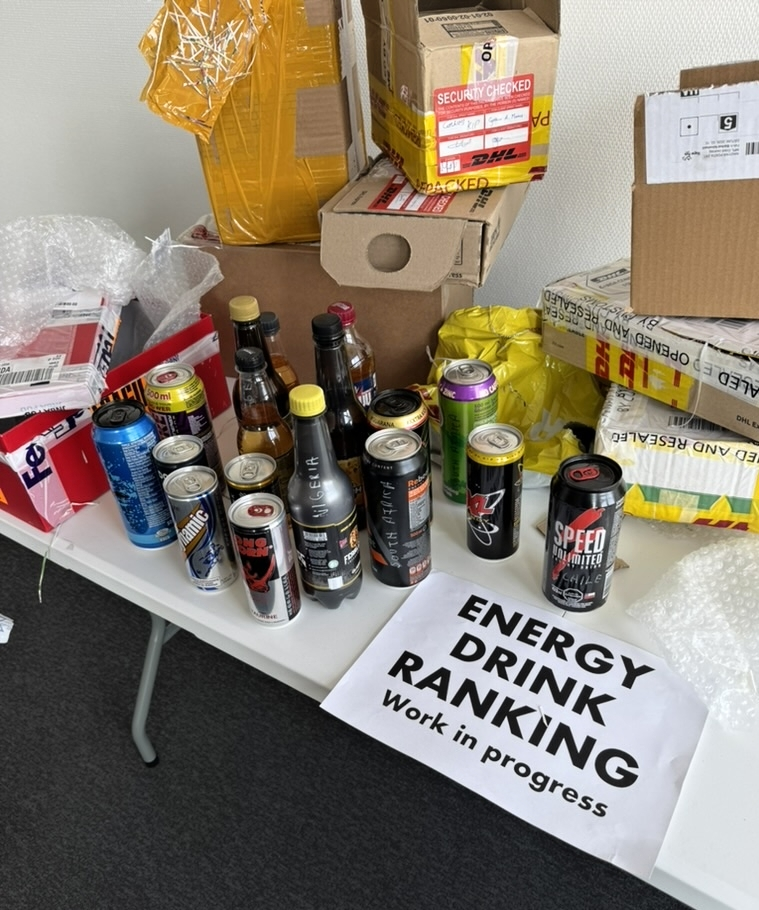
The index reviewed energy drinks across a 36-point framework covering caffeine declaration, sugar type, vitamin content, pasteurisation, packaging, label transparency, traceability, and readability. Europe achieved the strongest regional average and accounted for the full global top 20, indicating a more developed quality and compliance baseline in the category.
Clear regional differences were identified in processing and formulation practice. European products showed much higher use of pasteurisation than North American and South American products, while the index also recorded differences in sugar systems, artificial sweetener use, and the way functional information is presented on pack.
HELL Energy was placed first in the global ranking, followed by 28 BLACK and TAKE OFF. The highest-scoring products were marked not only by branding or flavour development, but by evidence of stronger quality systems around processing, labelling, and traceability.
Energy drinks have grown well beyond their early high-caffeine image, with many producers now combining stimulants with vitamins, electrolytes, amino acids, botanicals, and other functional ingredients. That expansion has increased the burden on formulation control, ingredient validation, and label accuracy.
The UK and European market is already under pressure from proposed restrictions, public health debate, and closer scrutiny of youth access to high-caffeine drinks. Delays to proposed energy drink controls have left manufacturers and retailers managing compliance preparation while policy detail remains unsettled, adding further importance to robust labelling and product governance.
The index points to a category entering a more standards-led phase. Caffeine transparency, pasteurisation, traceability, and readable labelling may not carry the same marketing force as flavour launches or design changes, but they are increasingly central to category credibility. The more functional the beverage becomes, the harder it is to rely on broad performance language without disciplined technical support.
European producers appear to be benefiting from a stronger baseline of regulatory expectation and manufacturing maturity. Pasteurisation rates, clearer declarations, and stronger traceability systems suggest a market in which quality controls are being built into the product architecture rather than added after launch.
International brands cannot treat energy drinks as a single global format. Processing choices, sweetener systems, caffeine declarations, shelf-life strategies, and label requirements vary between regions, creating complexity for exporters, co-packers, and brand owners working across several markets. Functional positioning increases that complexity because every added ingredient can introduce stability, interaction, or claims-management challenges.
Europe’s top ranking gives regional manufacturers a quality benchmark as competition intensifies. It also raises expectations for challenger brands entering the market, particularly those using health, energy, hydration, or performance language. In a category often driven by high-impact branding, the next stage of differentiation is likely to come from quieter technical details in formulation, processing, and label discipline.