IN Brief:
- Danone is acquiring Australia’s Made Group and the remaining stake in its dairy joint venture with Saputo Dairy Australia.
- The assets include brands and manufacturing capability in coconut water, yoghurt, protein smoothies, and functional chilled drinks.
- The move reflects wider competition for high-protein, gut-health, and convenience-led dairy and beverage platforms.
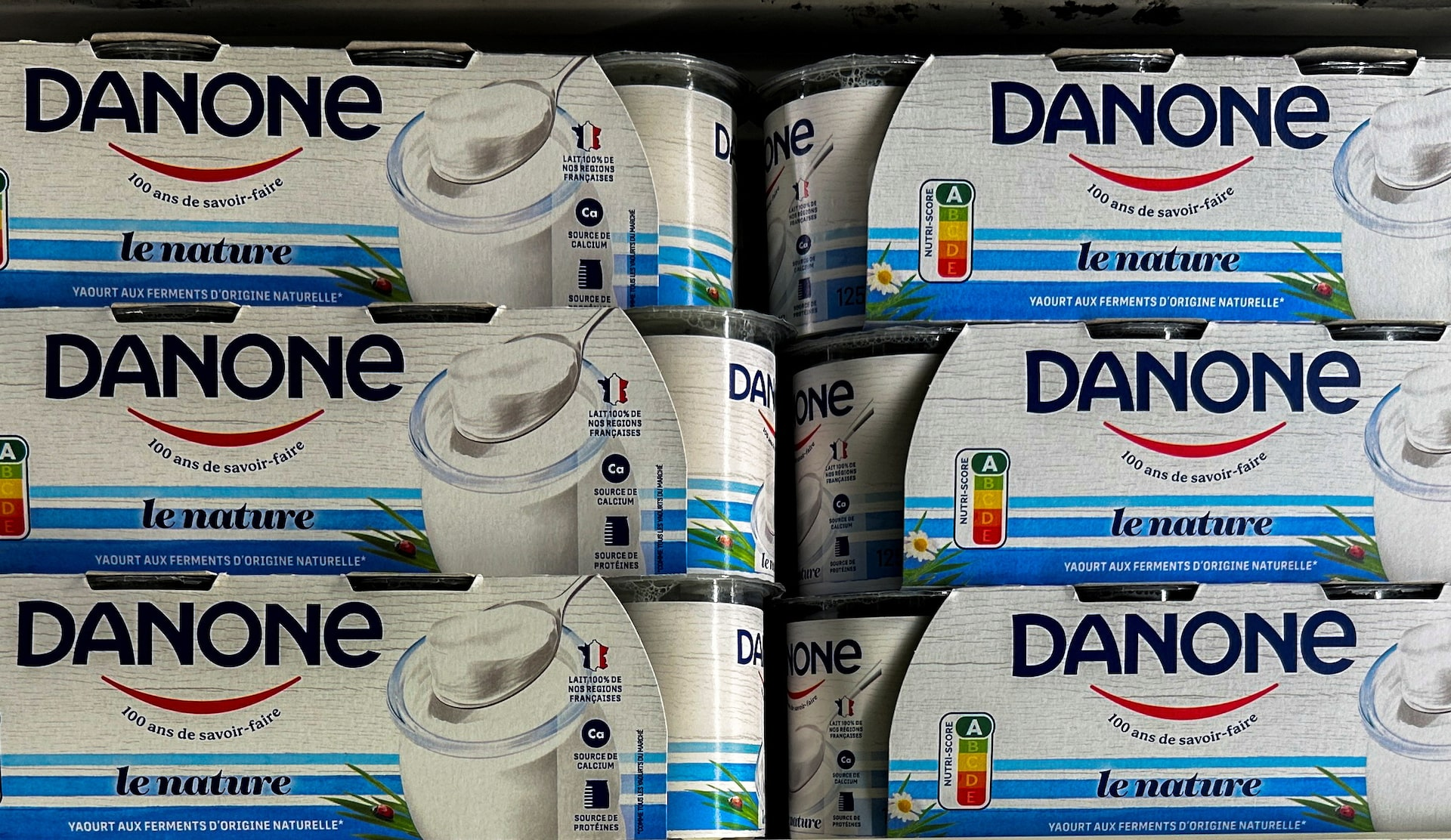
Danone is strengthening its position in functional dairy and beverages through the acquisition of Australia’s Made Group and full ownership of its fresh dairy joint venture with Saputo Dairy Australia.
Made Group produces brands including Cocobella coconut water and yoghurt, and Rokeby protein smoothies. The business has annual sales of more than €300m and has been growing at a strong double-digit rate, giving Danone a larger position in chilled and ambient formats linked to protein, gut health, hydration, and plant-based dairy alternatives.
The French group is also acquiring the remaining 49% stake in its Australian dairy joint venture with Saputo Dairy Australia. Together, the transactions give Danone deeper control of manufacturing, innovation, and distribution in a region where functional dairy and ready-to-drink nutrition are expanding quickly.
The deals follow a period of active portfolio movement in functional food and beverage. Danone has been strengthening exposure to high-protein, medical nutrition, and health-led platforms, while other major food groups have been pursuing similar categories. Nestlé’s move to take full control of Yfood showed how large manufacturers are buying into meal replacement and protein drink systems that sit between conventional food, chilled beverage, and supplement-style nutrition.
Dairy innovation has also been moving towards more explicit functional positioning. Awards, launches, and acquisition activity across the sector point to stronger demand for protein, digestive health, convenience, and portion-controlled formats. In that environment, growth is increasingly tied to technical capability as much as brand reach.
Made Group gives Danone both consumer-facing brands and production know-how. That combination is useful in functional dairy and beverages, where products depend on texture, protein stability, cold-chain control, flavour masking, shelf-life performance, and reliable filling operations. Concepts can be copied quickly, but the manufacturing base behind them is harder to replicate.
Protein remains one of the clearest growth drivers. High-protein drinks and yoghurts have benefited from fitness-led consumption, older consumers focused on muscle maintenance, and the wider rise of convenient nutrition. Weight management trends are also reshaping demand, with protein increasingly used to support satiety and everyday dietary routines.
Coconut-based products add a second route into health-led consumption. Coconut water, coconut yoghurt, and related formats retain a place in hydration, plant-based, and lighter chilled categories, even as the wider plant-based market has become more disciplined after its early growth phase. Danone’s expanded control gives it more flexibility across dairy, plant-based, and hybrid propositions.
The industrial logic behind the transactions is clear. Functional dairy and beverage formats often require dedicated processing knowledge, from stabilising protein in liquid systems to maintaining texture in chilled yoghurt or managing ingredient interactions in fortified drinks. Full control of assets can make it easier to align product development, manufacturing decisions, and market execution.
Large food companies are increasingly buying platforms that combine growth categories with operational infrastructure. In dairy and beverages, the most attractive assets are those that bring brand momentum, production capacity, formulation capability, and regional distribution strength. Danone’s latest transactions fit that pattern, adding manufacturing depth in categories where health positioning is becoming central to competition.