IN Brief:
- Branston has appointed Tom Seagrief as general manager of Added Value.
- The role spans prepared retail, B2B peeling, and mashed potato operations, including Branston’s automated mash facility.
- The appointment supports capital investment, efficiency, quality, food safety, and growth across added-value potato production.
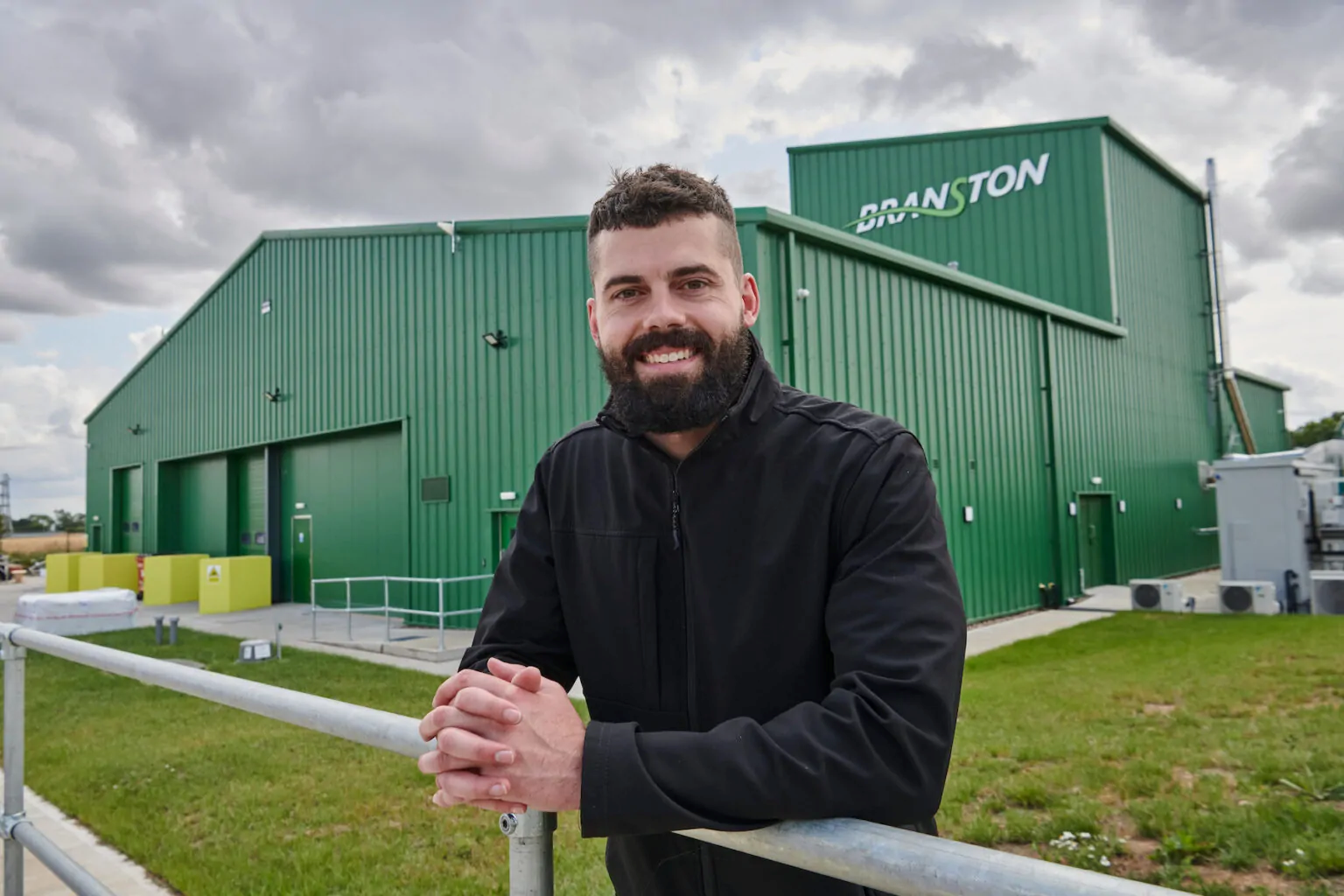
Branston has appointed Tom Seagrief as general manager of Added Value, expanding his remit across prepared retail, B2B peeling, and mashed potato operations.
Seagrief’s role broadens from general manager of prepared into a wider position covering the company’s added-value facilities. His responsibilities now include end-to-end production across raw potato sourcing, prepared operations, B2B peeling, mash production, finished goods, cost control, efficiency, quality standards, and food safety compliance.
He initially joined Branston through its graduate programme more than a decade ago, completing placements in technical and finance before moving into operations. He later progressed through managerial roles across operational departments and has also worked as a space planning officer at the University of Lincoln and in production and operations management at Jordans Dorset Ryvita.
“I’m looking forward to taking on this new challenge within the business,” Seagrief said. “I’ve been fortunate enough to work across a variety of teams within Branston, and it feels like the right time to step into this role and help drive strategic growth.”
The appointment gives Seagrief responsibility for working with Branston’s factory managers, engineers, machine technicians, line operatives, and section managers as the business continues to grow its added-value potato capabilities. Delivering Branston’s upcoming capital investment programme will be a core part of the role.
Branston’s mashed potato facility opened in 2024 after rising demand in the category. The plant supplies leading UK supermarkets and strengthened the company’s capabilities beyond fresh and prepared potato products. At launch, Branston handled around 350,000 tonnes of potatoes for fresh and prepared products, with the mash facility adding further processing depth and supporting full crop utilisation.
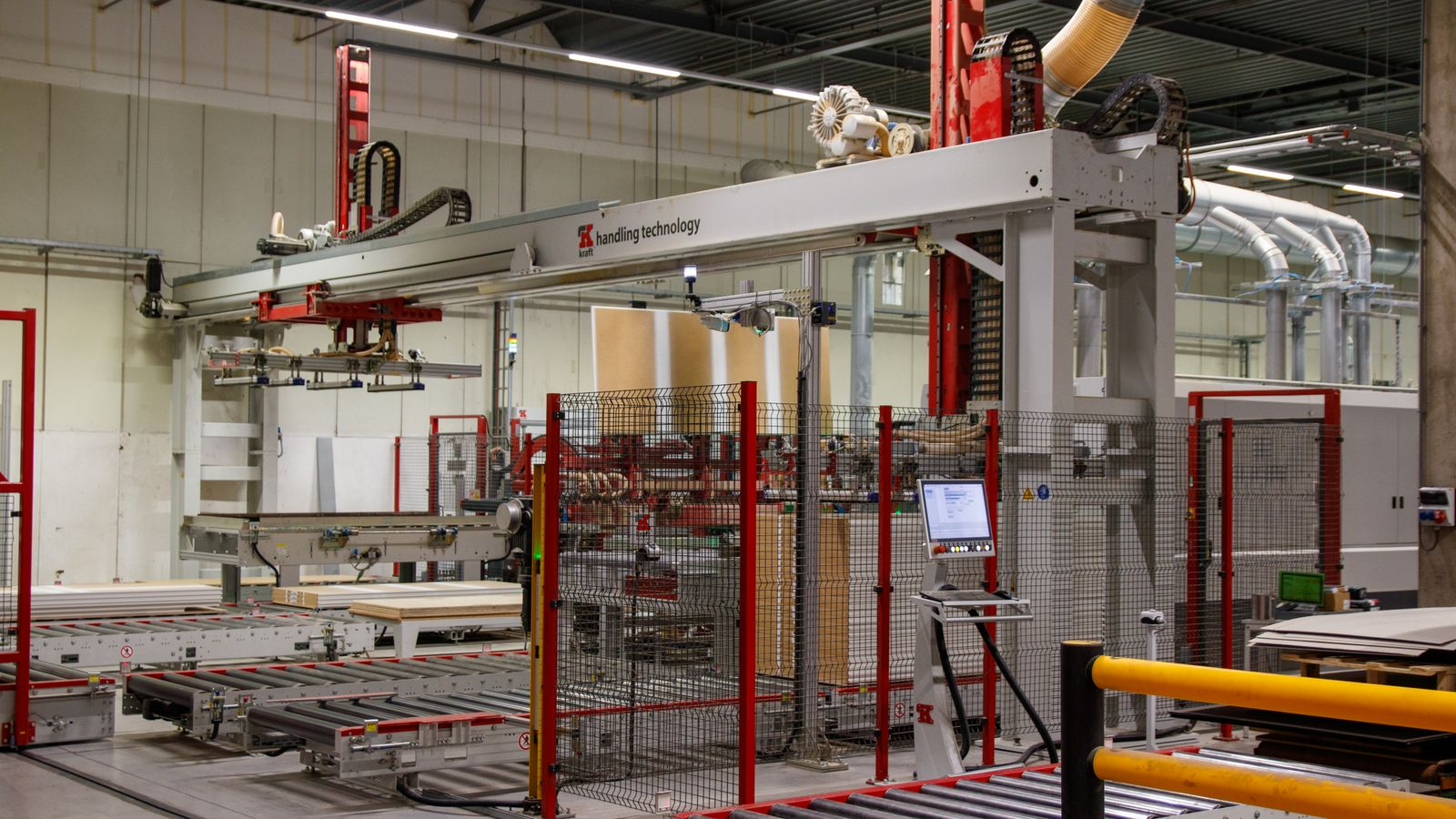
The factory’s two main lines produce 14 products, from standard ready-to-eat mash to artisan root vegetable recipes and topped jacket potatoes. The facility uses steam peeling and cooking, alongside a 2km spiral chiller, and produced 23 million packs of mashed potatoes in its first year.
Seagrief said: “The mash facility has been a huge area of growth for the business, allowing us to improve the product for customers while also supporting a more sustainable supply chain. Driving sustainability is a key focus in my strategic work and I’m keen to keep progressing this within prepped, B2B and mash, and see how we can continue to develop our offering to give customers the best quality possible.”
Jason Kelly, chief operating officer of Branston, said: “Expanding Tom’s role to cover the mash facility operation is part of our ongoing commitment to maintaining our high standards while also driving business growth. His extensive knowledge and experience with not only high-care food factory environments, but also of Branston as a whole, is invaluable. I’m looking forward to seeing how he shapes this next chapter.”
Added-value potato processing is moving further away from commodity supply and toward higher-margin, more operationally complex formats. Prepared vegetables, mash, chilled sides, ready-to-heat products, and foodservice ingredients require stronger process control than bulk potato packing alone. Peeling yield, cooking consistency, chilling capacity, texture, pack integrity, and microbiological control all influence profitability.
Raw material variability remains one of the defining features of potato processing. Crop size, dry matter, defects, storage conditions, and seasonal quality can affect peeling performance, cooking behaviour, waste, and finished product consistency. Added-value production therefore depends on close coordination between agronomy, raw material intake, process engineering, and customer specification management.
Full crop utilisation sits at the centre of the commercial case. Potato supply chains generate value not only by selling the highest-grade fresh crop, but by finding suitable outlets for different sizes, grades, and processing characteristics. Mash, prepared retail, B2B peeling, and emerging ingredient streams can improve the economics of the whole crop when managed carefully.
Capital investment will shape the next phase of that model. Automated handling, steam peeling, cooking, chilling, packing, and quality-control systems allow processors to increase output while maintaining consistency. Automation performs best when plant leadership understands the interaction between raw material, machinery, labour, cleaning, scheduling, and customer demand.
Branston’s decision to place the added-value remit under one general manager reflects the more integrated nature of potato processing. Prepared retail, B2B peeling, and mash serve different markets, but they share raw material sourcing, technical standards, cost drivers, and operational disciplines. Coordinated leadership can reduce duplication, improve material flow, and align investment priorities across facilities.
The appointment gives Branston continuity as its added-value operations move through a more capital-intensive phase. The opportunity is broader than producing more mash. It is to turn potato supply into a more flexible manufacturing platform, where quality, sustainability, crop utilisation, and customer responsiveness are managed from field to finished pack.