IN Brief:
- Daabon has acquired Agropalma operations in Pará, Brazil, including planted palm, forest reserve area, extraction plants, and refinery capacity.
- The deal expands availability of traceable, certified sustainable palm oil for UK, European, and global customers.
- Ingredient sourcing is moving from commodity procurement toward documentation, origin control, and deforestation-risk management.
Daabon has acquired Agropalma’s operations in Pará, Brazil, significantly expanding its palm oil supply base as European food manufacturers prepare for tighter traceability and deforestation requirements.
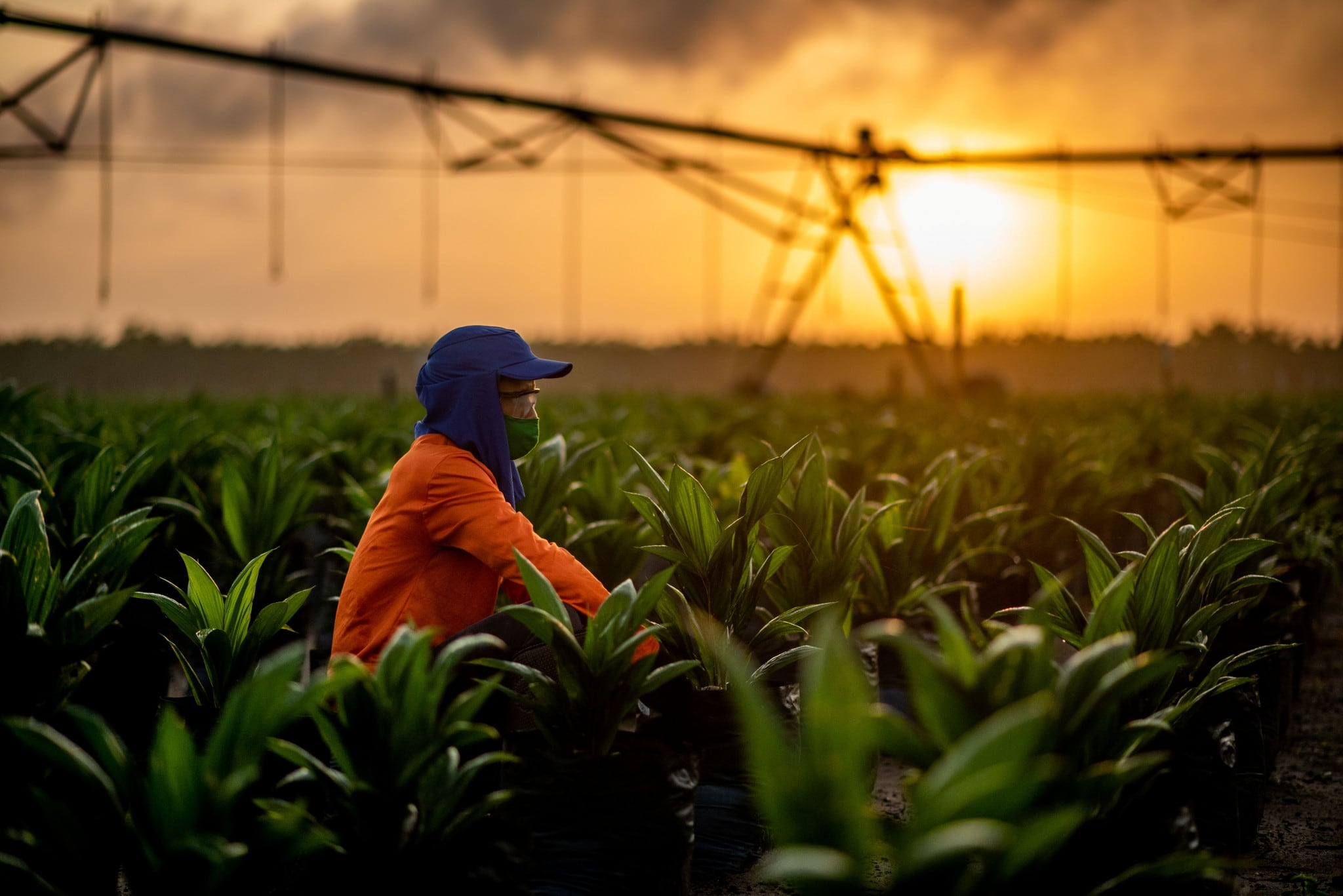
The deal includes 39,000 hectares of planted palm, 64,000 hectares of forest reserve area, six extraction plants in Tailândia, and a refinery in Belém. It also marks Daabon’s entry into Brazil and brings around 5,000 employees and 300 partner farms into the group’s wider network.
Daabon, a Colombian family-owned business with operations across four continents, supplies regenerative organic and certified sustainable palm oil alongside bananas, cocoa, coffee, avocados, and limes. The acquisition increases the company’s ability to serve UK, European, and global customers looking for documented supply chains and stronger assurance around origin.
Palm oil remains one of the most important functional ingredients in food manufacturing. It is used across bakery, confectionery, snacks, spreads, margarines, fillings, coatings, frying fats, prepared foods, and emulsified systems. Its semi-solid fat profile, oxidative stability, neutral flavour, and processing versatility make it difficult to replace at scale without technical compromises.
At the same time, palm oil has become one of the clearest examples of how commodity sourcing is being reshaped by sustainability regulation. European deforestation rules, corporate due-diligence requirements, retailer sourcing policies, and customer commitments are pushing manufacturers to document farm origin, land-use status, certification, and supplier controls in much greater detail.
The acquisition therefore carries more weight than a simple increase in plantation acreage. Control over plantations, extraction capacity, refinery assets, and partner-farmer networks gives Daabon a stronger integrated position. Traceability is easier to maintain when supply chains are shorter, better documented, and less dependent on fragmented spot-market flows.
Climate pressure is tightening the market for major food commodities, including cocoa, wheat, rice, palm oil, soy, corn, and sugarcane. Weather volatility, disease, yield pressure, and compliance requirements all affect the cost and reliability of ingredients used every day in food plants.
Procurement teams are moving from broad sustainability commitments to working evidence systems. Buyers need supplier data that can withstand audit, legal review, customer scrutiny, and future regulatory change. Ingredient approval is no longer only about specification, price, and service level. It is also about proof.
That shift creates an operational burden across procurement, quality assurance, technical, legal, and sustainability teams. A supplier’s ability to provide origin documentation, risk mapping, certification records, and continuity of supply is becoming part of the technical approval process. High-risk commodities are being assessed through a wider lens than functionality alone.
The Agropalma assets also give Daabon room to invest in productivity, smallholder support, and alignment with its existing certification standards. That could support European customers that need stable supply without moving away from palm oil entirely. Substitution remains possible in some products, but reformulation can change fat crystallisation, mouthfeel, shelf life, bake performance, cost, and allergen exposure.
High-risk commodities are likely to move toward fewer, deeper supplier relationships. Manufacturers that once treated palm oil as a standard input are now asking whether suppliers can provide credible origin documentation, risk monitoring, and continuity of supply. Daabon’s acquisition strengthens its position in that environment and gives food manufacturers another scaled route into certified, traceable palm oil.
The deal also shows how deforestation regulation is changing upstream investment. Capacity, compliance, and documentation are becoming linked, and ingredient security will increasingly depend on suppliers with enough control over production systems to prove where material came from, how it was produced, and whether it can continue moving into regulated markets.