IN Brief:
- European retailers and wholesalers are calling for a 12-month grace period as PPWR implementation approaches.
- The request centres on packaging already moving through supply chains, declarations of conformity, and PFAS compliance.
- Food manufacturers are preparing for a packaging transition shaped by regulation, line performance, supplier documentation, and export risk.
EuroCommerce is calling for a 12-month grace period and clearer technical guidance as the EU Packaging and Packaging Waste Regulation moves towards its general application date of 12 August 2026.
The retail and wholesale association has warned that unresolved interpretation issues could disrupt packaging supply chains if enforcement begins before businesses, suppliers, and competent authorities have settled practical compliance questions. Its request to EU environment ministers comes as food, drink, retail, and packaging companies work through one of the most extensive changes to European packaging rules in decades.
PPWR entered into force in February 2025 and replaces the previous Packaging and Packaging Waste Directive with a directly applicable regulation covering packaging placed on the EU market. The framework sets requirements around waste reduction, recyclability, reuse, recycled content in plastic packaging, producer responsibility, and harmonised packaging obligations across member states.
Rather than challenging the direction of travel, EuroCommerce is pressing for more workable transition rules around stock already in motion. It wants food packaging, including empty packaging, transferred to a European economic operator before 12 August 2026 to remain outside new PPWR obligations even if it is filled after that date. The association is also seeking clearer rules around declarations of conformity and the implementation of PFAS restrictions under Article 5.
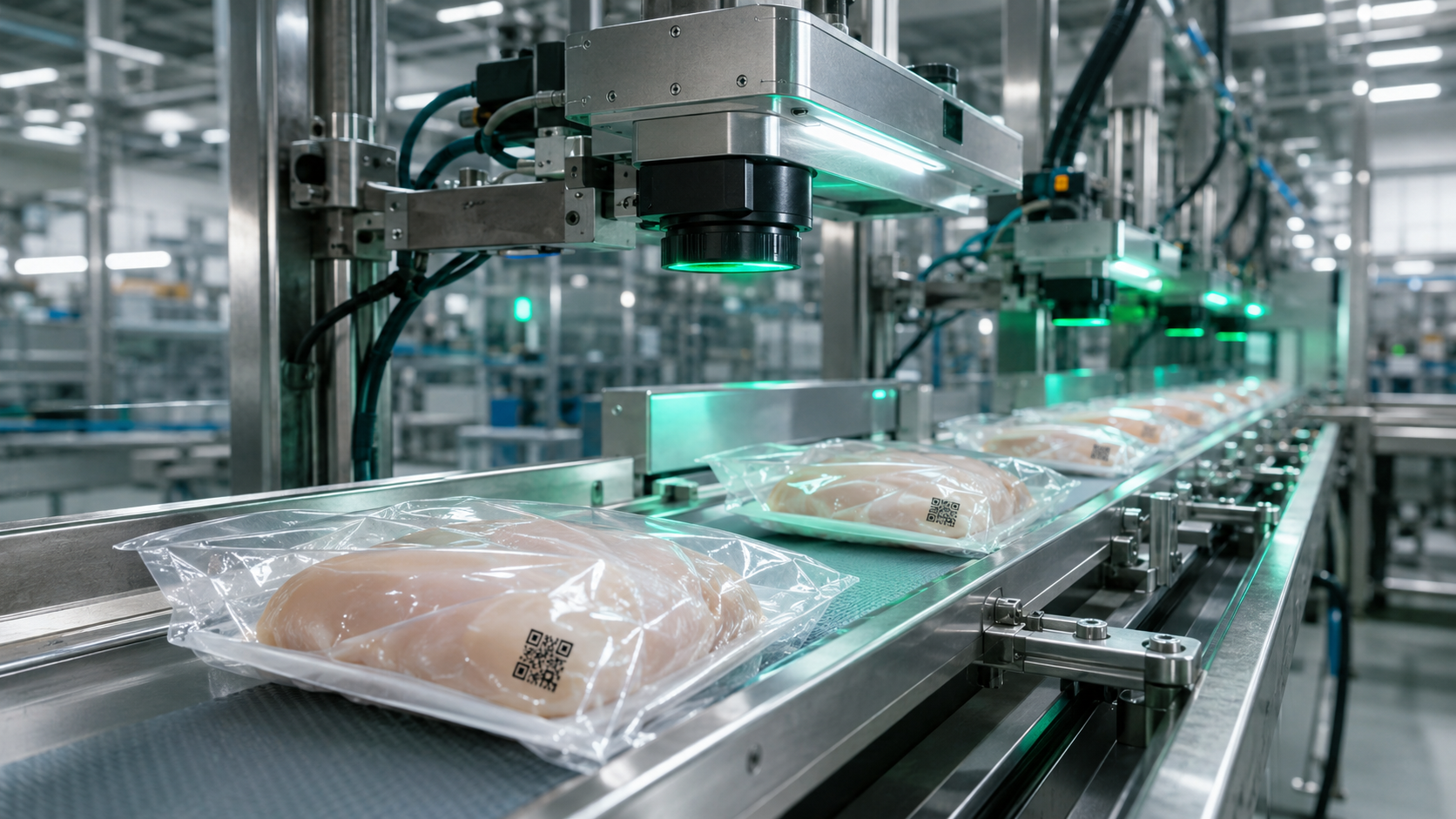
Packaging rarely moves through the food supply chain in a clean sequence around a single regulatory date. Printed reels, labels, cartons, closures, trays, flexible films, and pre-formed packs may sit with converters, co-packers, manufacturers, wholesalers, retailers, or export warehouses before they reach the filling line. Unclear compliance status can turn packaging inventory into an operational risk, particularly where high-volume food production depends on long-lead printed material and pre-approved specifications.
Food packaging also carries safety, shelf-life, and process functions that general packaging policy can flatten. A chilled meat tray, ready-meal film, dairy pot, bakery carton, beverage closure, or snack wrapper is part of a broader manufacturing system. Material changes can alter seal integrity, oxygen and moisture transmission, coding performance, line speed, pack strength, pallet stability, and recyclability evidence. Even where an alternative material is available, it still has to run on existing equipment without unacceptable scrap or downtime.
The shift is already visible across fibre and recyclable packaging development. Blue Ocean Closures’ fibre dispensing work has shown how plastic-reduction projects quickly move into sealing, opening, moisture, and line-integration questions, while VTT’s cellulose film platform points to the growing role of fibre-based films and coatings in packaging strategies shaped by both regulation and end-of-life performance.
Producer responsibility costs are sharpening the commercial side of the same transition. EPR assessment work has already pushed recyclability, material weight, and pack design into the cost base, rather than leaving them as sustainability metrics. PPWR adds a harder documentation layer, where packaging procurement has to carry evidence on design, conformity, restrictions, and market placement.
UK exporters face a further complication. Packaged goods sold into the EU will need to comply with PPWR requirements even where domestic GB rules diverge. Some manufacturers may harmonise packaging upwards to avoid parallel specifications, while others may run separate streams for EU and GB channels. Both routes affect forecasting, artwork approval, supplier management, and the use of existing stock.
A 12-month grace period would reduce the risk of abrupt enforcement against packaging already designed, ordered, or distributed under earlier assumptions. It would not remove the need for redesign, testing, supplier declarations, and data capture. The businesses best placed for PPWR are likely to be those already treating packaging compliance as part of factory planning, not as a legal file assembled after the pack has reached the market.
The first PPWR test will therefore be practical rather than rhetorical. Europe’s packaging system is being asked to change material rules, evidence requirements, and end-of-life expectations while keeping food protected, factories running, and cross-border trade moving. The grace-period request shows how much work remains between regulatory ambition and the daily mechanics of packaging supply.