IN Brief:
- Amcor is evaluating Kelpi’s seaweed-based coating platform for fibre packaging.
- The work targets gas and moisture barrier performance while supporting paper recyclability.
- Barrier coatings are becoming central to the next phase of fibre-based food packaging.
Amcor has partnered with UK materials company Kelpi to evaluate seaweed-derived barrier coatings for fibre-based packaging, extending work on paper-based formats that can meet more demanding food and consumer goods applications.
Kelpi’s coating platform uses bio-based seaweed material designed to provide gas and moisture barrier performance while maintaining compatibility with paper recycling streams. Amcor’s research and development teams are assessing the technology for potential integration into the AmFiber fibre-based packaging platform.
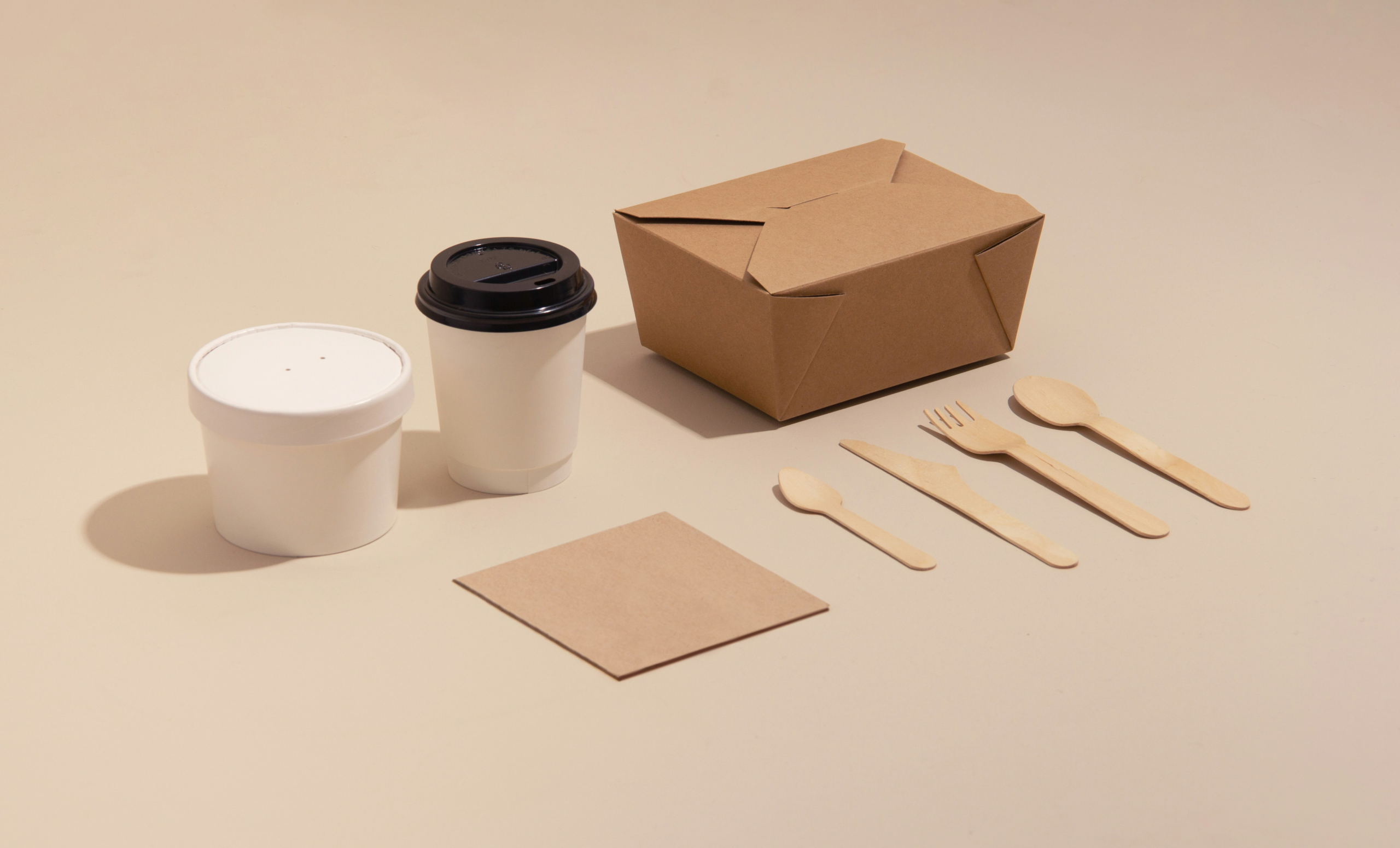
The collaboration addresses one of the central technical constraints in food packaging: fibre-based materials often need additional barrier functionality before they can replace plastic-coated or laminated structures. Paper and board can offer renewable feedstock and established recycling routes, but food products may require protection against moisture, oxygen, grease, aroma loss, mineral oil migration, and contamination.
Those performance demands explain why many apparently simple plastic-to-paper switches become complicated in production. A paper pack has to run through converting, printing, packing, sealing, distribution, retail storage, and consumer handling without tearing, cracking, absorbing moisture, losing seal integrity, or shortening shelf life. Barrier coatings sit at the point where sustainability targets meet the physical requirements of food preservation.
Recent developments in fibre packaging show how quickly the market is moving into functional territory. Fibre-based closures and dispensing formats are moving beyond concept work, while paper flowpack conversion is being tested against the realities of high-speed packaging. The Amcor-Kelpi collaboration sits in the same industrial shift, where materials have to prove themselves against line speed, barrier performance, and end-of-life recovery.
Food applications vary widely in what they demand from a pack. Dry snacks need moisture and grease control. Coffee and tea require aroma protection. Powdered ingredients and supplements need moisture resistance and clean filling behaviour. Bakery products may need a balance between freshness, visibility, machinability, and shelf impact. Chilled or high-moisture products create a much steeper challenge for paper-based structures.
Seaweed-derived coatings are part of a broader search for bio-based barrier systems that can reduce reliance on fossil-derived materials without undermining recyclability. The strongest candidates will be those that work as part of existing converting and packing infrastructure. A coating that delivers good laboratory data but cannot withstand commercial runs, heat sealing, folding, creasing, or storage humidity will struggle to move beyond pilots.
Amcor’s involvement gives the technology a route into scale testing that many materials start-ups cannot access alone. Packaging adoption depends on more than chemistry. Converters need consistent quality, food-contact documentation, application support, roll stability, coating uniformity, and supply security. Food manufacturers need evidence that a new structure can be qualified without increasing rejects, waste, downtime, or customer complaints.
Regulation is increasing the pressure to find workable answers. Recyclability requirements, retailer scorecards, EPR fees, and PPWR documentation are all tightening packaging decision-making. At the same time, many products cannot simply be moved into mono-material or uncoated paper formats without harming shelf life. The market is therefore shifting toward engineered fibre structures where coatings provide targeted performance.
The commercial outcome is likely to be a more segmented packaging landscape. Fibre-based packs will grow where they can deliver protection, runability, cost control, and credible recovery. Plastics will remain where moisture, toughness, transparency, or seal performance are decisive. Hybrid structures will continue where no single material can meet all requirements. Barrier coatings will influence which applications move from one category to another.
The Amcor-Kelpi evaluation is therefore part of a wider move from packaging substitution to packaging engineering. The material story is no longer simply whether a pack is paper, plastic, or bio-based. The decisive question is whether the structure can protect food, run at industrial speed, satisfy compliance demands, and return to a viable recovery stream after use.