IN Brief:
- Morrisons has recalled 230g Coronation Chicken Pasta packs over undeclared milk risk.
- The affected batch may contain Florida Salad, creating an allergen labelling failure.
- Prepared food factories remain exposed where product identity, packing, and label controls intersect.
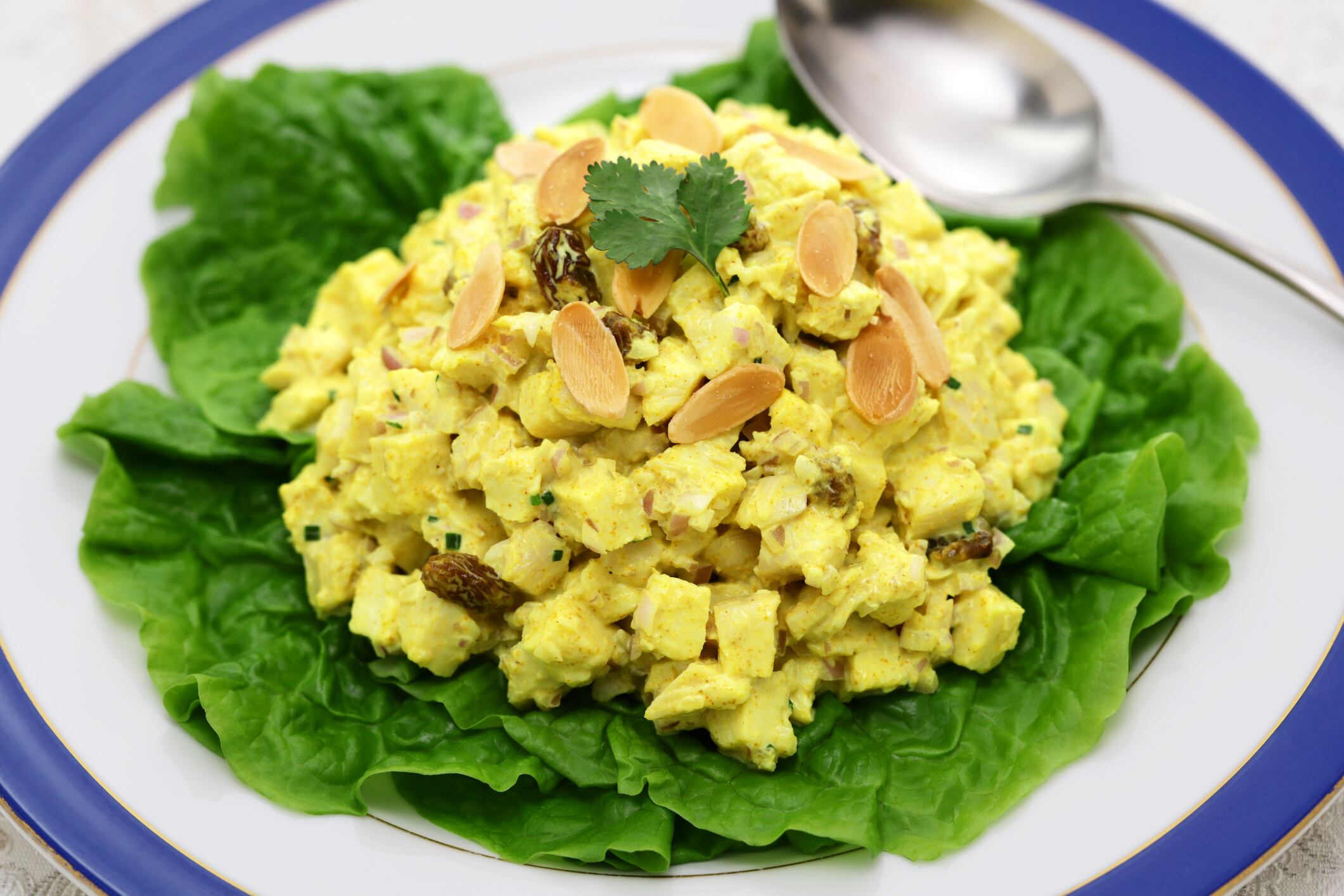
Morrisons has recalled 230g packs of Coronation Chicken Pasta after some products may have contained Florida Salad with milk that was not declared on the label.
The affected product carries batch code GBB 584 031 and a use-by date of 30 June 2026. Undeclared milk creates a health risk for people with an allergy or intolerance to milk or milk constituents, prompting the recall and customer advice not to eat the product.
Although the incident appears at retail level, the underlying failure sits in the manufacturing and packing control system. Chilled prepared foods rely on accurate product identity at every point, from ingredient preparation and work-in-progress handling through to filling, sealing, labelling, coding, case packing, and dispatch. A product placed in the wrong pack can create an allergen failure even when each individual recipe and label is correct in isolation.
Prepared food factories are exposed because they often run many recipes through similar pack formats under short shelf-life pressure. Pasta salads, deli pots, sandwich fillers, ready-to-eat meals, and chilled accompaniments may share tubs, lids, sleeves, label formats, storage areas, and line equipment. Visual similarity increases the need for disciplined line clearance, barcode checks, label verification, and finished-pack inspection.
Allergen management depends on overlapping controls. Recipe approval defines which allergens should be present. Supplier assurance verifies ingredient declarations. Segregation and cleaning reduce cross-contact. Labelling systems ensure declared allergens match the product. Final release procedures confirm that the pack, code, and contents align before stock leaves the site.
The recall also sits alongside a wider tightening of chilled and ready-to-eat food control. Evidence requirements around Listeria in ready-to-eat foods have already reinforced how chilled manufacturers must document and validate safety systems rather than rely on routine assumptions. Allergen management operates through a different hazard pathway, but the same discipline applies: the released product must match the process, evidence, and label behind it.
Allergen errors can occur through several practical routes. A filling vessel may be misidentified, a tote may move to the wrong line, a label reel may be loaded incorrectly, a sleeve may not match the product, or a changeover may not be completed properly. Manual rework or late production changes can create additional risk if allergen assessments and system records do not keep pace with the production decision.
Automation can reduce some of these risks when it is properly configured and enforced. Barcode-controlled ingredients, recipe management systems, label verification, vision inspection, checkweighing, and electronic batch records can all strengthen the control chain. Those systems still depend on clean master data, trained operators, controlled overrides, and managers willing to stop production when checks fail.
Milk is a common allergen in chilled prepared foods because it can appear through dressings, dairy ingredients, cheese, yoghurt, cream, flavourings, mayonnaise-style components, and composite products. A substitution involving another salad product therefore creates a direct risk where the label does not reflect the contents. The product may look acceptable, smell normal, and meet chilled quality expectations while still being unsafe for allergic consumers.
The commercial impact of an allergen recall can exceed the size of the affected batch. Retailers must notify customers, remove stock, update notices, and protect brand trust. Suppliers can face investigations, audit pressure, additional controls, and commercial penalties. In short-shelf-life chilled categories, the window for correction is narrow because product may already be in stores or homes before an issue is identified.
The Morrisons recall underlines how closely production accuracy and consumer safety are connected. The right product in the wrong pack is not a minor packaging error when allergens are involved. In prepared foods, label control, line clearance, and product identity remain as fundamental as hygiene and temperature control.