IN Brief:
- ACI Group says rising whey costs reflect a structural shift in protein demand.
- European food-grade whey powder prices have risen by more than 50% since January 2026.
- Manufacturers are evaluating alternative and blended proteins to protect functionality, supply, and cost control.
ACI Group has warned that rising whey protein costs signal a long-term change in protein ingredient markets, with tightening supply and stronger demand forcing manufacturers to reassess formulation and sourcing strategies.
The specialist ingredient distributor says demand is being driven by GLP-1 weight-loss medications, healthy ageing demographics, sports nutrition growth, and rising interest in protein-fortified foods and beverages. European food-grade whey powder prices have risen by more than 50% since January 2026, while 80% whey protein concentrate has reached record highs above €26,000 per tonne in some European markets.
“For years, whey has been one of the industry’s most trusted and widely used protein ingredients,” said Jack Helm, Account Manager – Beverage, Bakery & Functional Foods, at ACI Group. “What we are seeing now is a convergence of long-term trends that are fundamentally changing protein demand. Manufacturers can no longer assume whey will remain as abundant, predictable or cost-effective as it’s been historically.”
Whey has become central to mainstream protein formulation. It is used in ready-to-drink beverages, clear protein drinks, powders, bars, yoghurts, bakery, snacks, meal replacements, active ageing products, and weight-management ranges. The ingredient’s strength lies in its amino acid profile, digestibility, solubility, taste, and functionality across different formats. Those same strengths have made the market more exposed as demand has broadened.
Clear whey supply has already tightened as beverage developers look for high-protein products with lighter, more refreshing profiles, while FrieslandCampina’s whey protein capacity expansion in the Netherlands shows how major dairy processors are investing to capture higher-value protein demand. ACI Group’s warning adds the formulation and procurement layer to that capacity story.
“This is not simply a pricing challenge,” Helm continued. “It is a supply resilience challenge. The companies best positioned for the future will be those building more flexible protein strategies that balance nutritional quality, functionality, sustainability and supply security.”
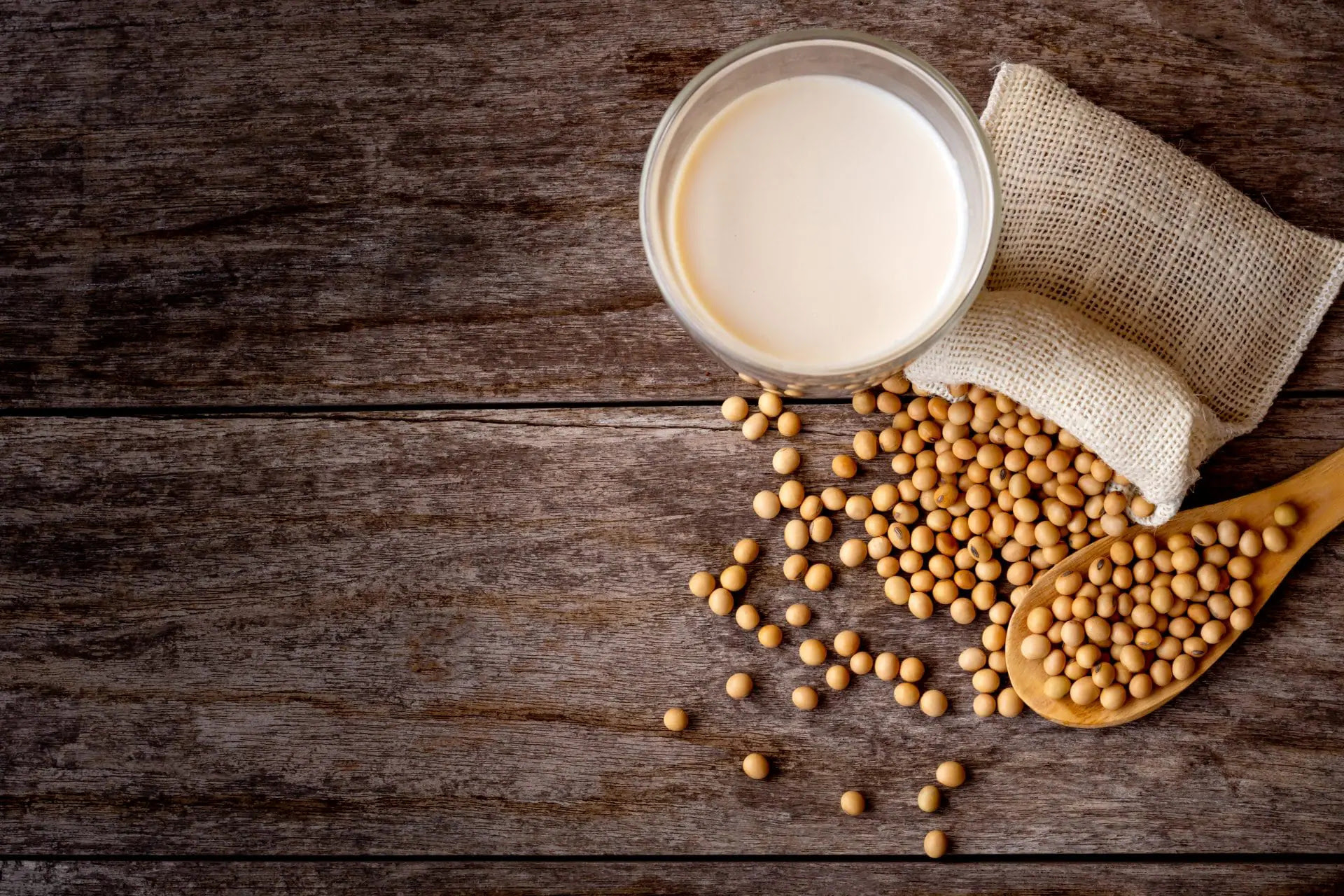
Alternative proteins are moving back into sharper focus as whey costs rise. Soy proteins are attracting renewed interest because of their amino acid profile, established supply chains, and functionality in selected food and beverage systems. ACI Group notes that IFF’s SUPRO® soy protein portfolio can support partial or full whey replacement in a range of applications, although the technical case depends heavily on product type.
Protein replacement is rarely a one-for-one exercise. A formulation built around whey may rely on its solubility, heat behaviour, foaming, viscosity, emulsification, mouthfeel, or taste profile. A replacement system must deliver the same commercial performance through mixing, heat treatment, filling, storage, distribution, and consumer use. A lower-cost protein can quickly become expensive if it increases sedimentation, bitterness, rejects, or shelf-life failures.
“Manufacturers are not simply buying protein percentages, but functionality,” Helm said. “Any alternative protein must deliver the processing performance, texture, stability and sensory characteristics required by the finished product.”
Beverage systems are especially sensitive. Clear protein drinks leave little tolerance for haze, bitterness, foaming, or sedimentation. Bakery and snack applications depend on water binding, dough behaviour, texture, and shelf-life performance. Dairy-style products need stability under acidity, heat, and storage conditions. Each category defines protein functionality differently, which means procurement savings have to be tested against processing reality.
The same need for pragmatic protein strategy has appeared in ACI Group’s earlier work on hybrid meat as a scalable route to sustainable protein. Blending proteins can preserve taste, texture, and processing performance while reducing exposure to single-source constraints. In the whey market, that logic is now being driven by cost and availability as much as sustainability.
Proactive reformulation gives manufacturers more control. Supplier qualification, pilot trials, sensory testing, shelf-life validation, allergen review, and claims assessment all take time. Waiting until pricing or allocation pressure forces a change leaves less room to protect quality and margin. Protein strategy now needs to connect product development, procurement, operations, and commercial planning much earlier in the process.
“As the protein landscape continues to evolve, manufacturers that take a proactive approach today will be in the strongest position to manage future supply challenges while continuing to deliver the products consumers expect,” Helm concluded.
Whey will remain a premium protein ingredient, but its role is changing. It is becoming a strategic input exposed to global nutrition trends, dairy capacity, and pharmaceutical-driven diet shifts. Flexible protein systems are moving from innovation work into supply-risk management.