IN Brief:
- EIT Food has selected 65 start-ups for its 2026 Food Accelerator Network.
- The programme is structured around six European hubs focused on specific agri-food technology areas.
- The cohort reflects a shift toward validated, market-ready innovation rather than broad food-tech enthusiasm.
EIT Food has selected 65 start-ups for the 2026 edition of its Food Accelerator Network, with technology validation and commercial readiness sitting at the centre of the programme.
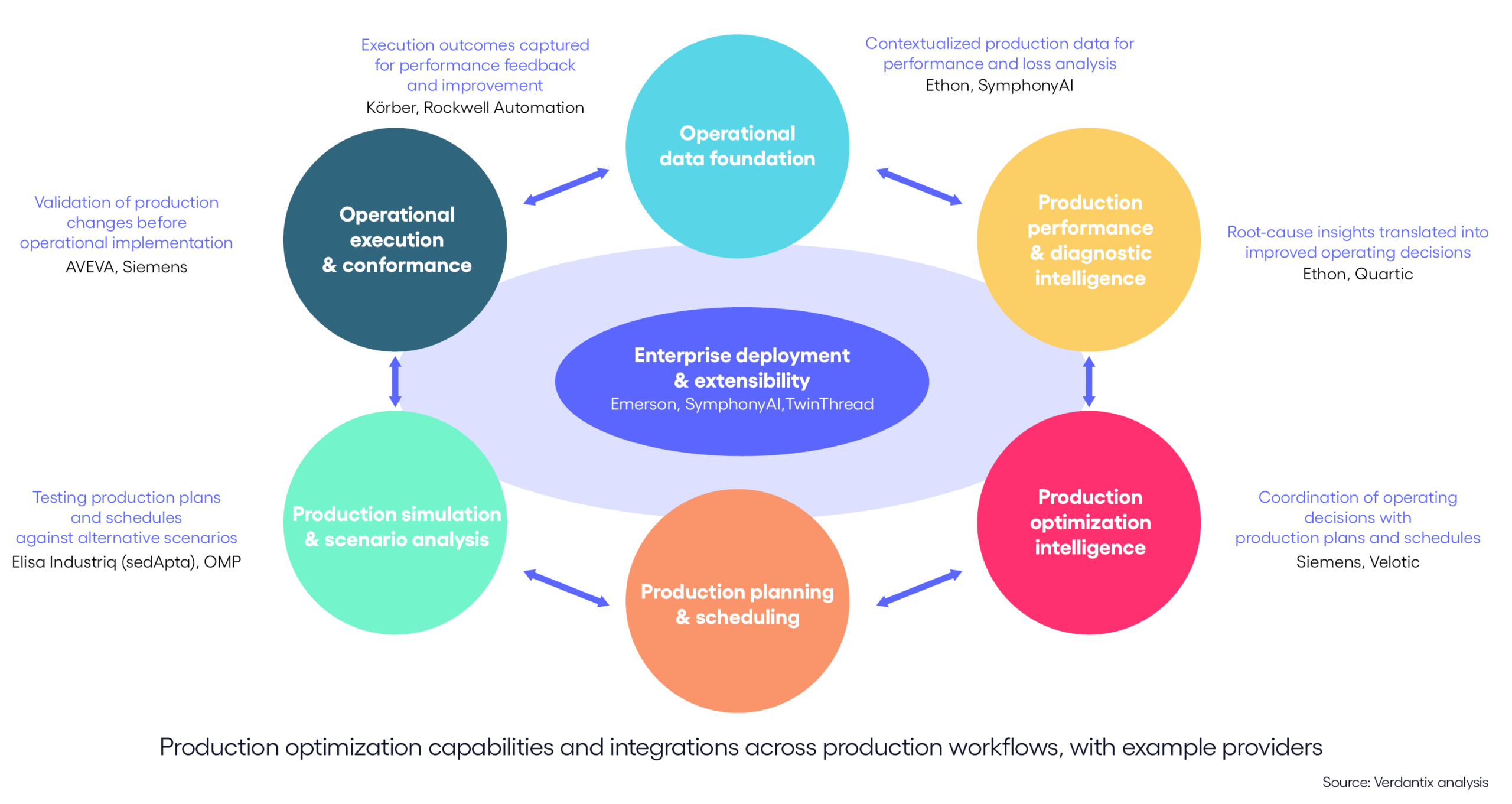
The start-ups will work across six specialised hubs in Europe, each built around a defined technology theme. The hubs cover water-smart agri-food systems in Catania, circular food solutions in Helsinki, smart and low-carbon supply chains in Munich, biotech ingredients and processes in Paris, digital and autonomous farming in Wageningen, and climate-resilient agriculture in Warsaw.
The programme’s structure reflects a more disciplined phase of agri-food innovation. Food and farming start-ups now have to show evidence that a technology works under real conditions, can meet regulatory and customer requirements, and has a credible route into commercial production. Broad sustainability claims and generic food-tech positioning are no longer enough to carry a business through scale-up.
That shift follows a tougher funding cycle for early-stage food technology. A few years ago, much of the market rewarded ambitious promises around alternative proteins, automation, circularity, waste reduction, and regenerative production. Capital has become more selective, while manufacturers, retailers, ingredient buyers, and growers have become more direct about cost, performance, validation, and operational fit.
The six-hub model maps neatly onto pressure points already reshaping the food system. Water-smart systems address agricultural exposure to drought, irrigation limits, and crop volatility. Circular food solutions connect waste streams, packaging, by-products, and secondary ingredients. Low-carbon supply-chain work responds to emissions reporting and distribution resilience. Biotech ingredient programmes sit at the intersection of fermentation, functionality, and novel food regulation. Digital and autonomous farming targets labour, precision, data, and field efficiency. Climate-resilient agriculture deals with the raw material risk beneath almost every food manufacturing plan.
Several of the strongest opportunities are likely to sit between primary production and factory input requirements. A promising agricultural technology has limited value if it cannot deliver consistent volume, specification, and traceability, while a novel ingredient only becomes useful when it performs through mixing, extrusion, baking, homogenisation, drying, filling, storage, and shelf-life testing.
The credibility test now facing regenerative agriculture programmes is part of the same pattern. Sustainability targets are moving toward measurable outcomes, supplier evidence, and auditable data. Carbon reduction, resource efficiency, yield improvement, protein functionality, side-stream valorisation, and water saving all require repeatable evidence before they can influence purchasing or production decisions.
Corporate and research collaboration can help start-ups avoid expensive late-stage surprises. Many agri-food businesses fail not because the idea lacks merit, but because they cannot access the right testing environments, pilot partners, manufacturing expertise, regulatory advice, or customer feedback early enough. A laboratory result may not translate cleanly into a factory, farm, distribution network, or retailer specification.
Biotech ingredients will remain one of the closest-watched areas. Fermentation-derived proteins, enzymes, flavours, fats, colours, functional fibres, and bioactive compounds all offer potential, but they are capital-intensive and technically demanding. Scale-up can expose yield issues, downstream-processing costs, sensory limitations, contamination risk, and regulatory delays. Programmes that force companies to confront those issues early are more useful than those that simply increase visibility.
Circular food systems present a similar mix of opportunity and difficulty. Food plants generate side-streams, offcuts, process water, spent grains, peels, pulps, proteins, fibres, and starch-rich materials that can become valuable inputs if handled correctly. Stabilisation, food safety, logistics, specification control, and market demand remain the limiting factors. Circular models only work when the recovered material can be processed safely and sold consistently.
Low-carbon supply chains add another layer of commercial pressure. Scope 3 reporting is forcing food companies to examine transport, cold storage, sourcing, agriculture, packaging, and energy use outside their own factory walls. Start-ups that can provide credible data, route optimisation, load efficiency, temperature control, or emissions measurement may find stronger demand as reporting moves from annual disclosure into purchasing and logistics decisions.
The 2026 cohort enters a more mature innovation environment than the one that fuelled the first food-tech boom. New technologies are still needed, but capital and customers are less patient with unsupported claims. The useful start-ups will be those that can move through validation, regulatory review, production trials, and customer adoption without losing the performance that made the technology attractive in the first place.