IN Brief:
- The Cold Chain Federation has warned that extreme heat is increasing pressure on UK chilled and frozen supply chains.
- Refrigerated warehousing and transport are facing higher energy demand, equipment stress, and resilience requirements.
- Food manufacturers depend on cold-chain capacity for safety, shelf life, service levels, and waste reduction.
The Cold Chain Federation has warned that more frequent extreme heat is placing growing pressure on the UK’s refrigerated storage and transport network, increasing risk across chilled and frozen food supply.
The organisation is calling for stronger recognition of the cold chain as a core component of national resilience, with targeted support for long-term investment in refrigeration infrastructure, energy security, insulation, smarter operating technologies, and contingency planning. Periods of severe heat across the UK and Europe have placed additional load on systems designed to hold narrow temperature bands.
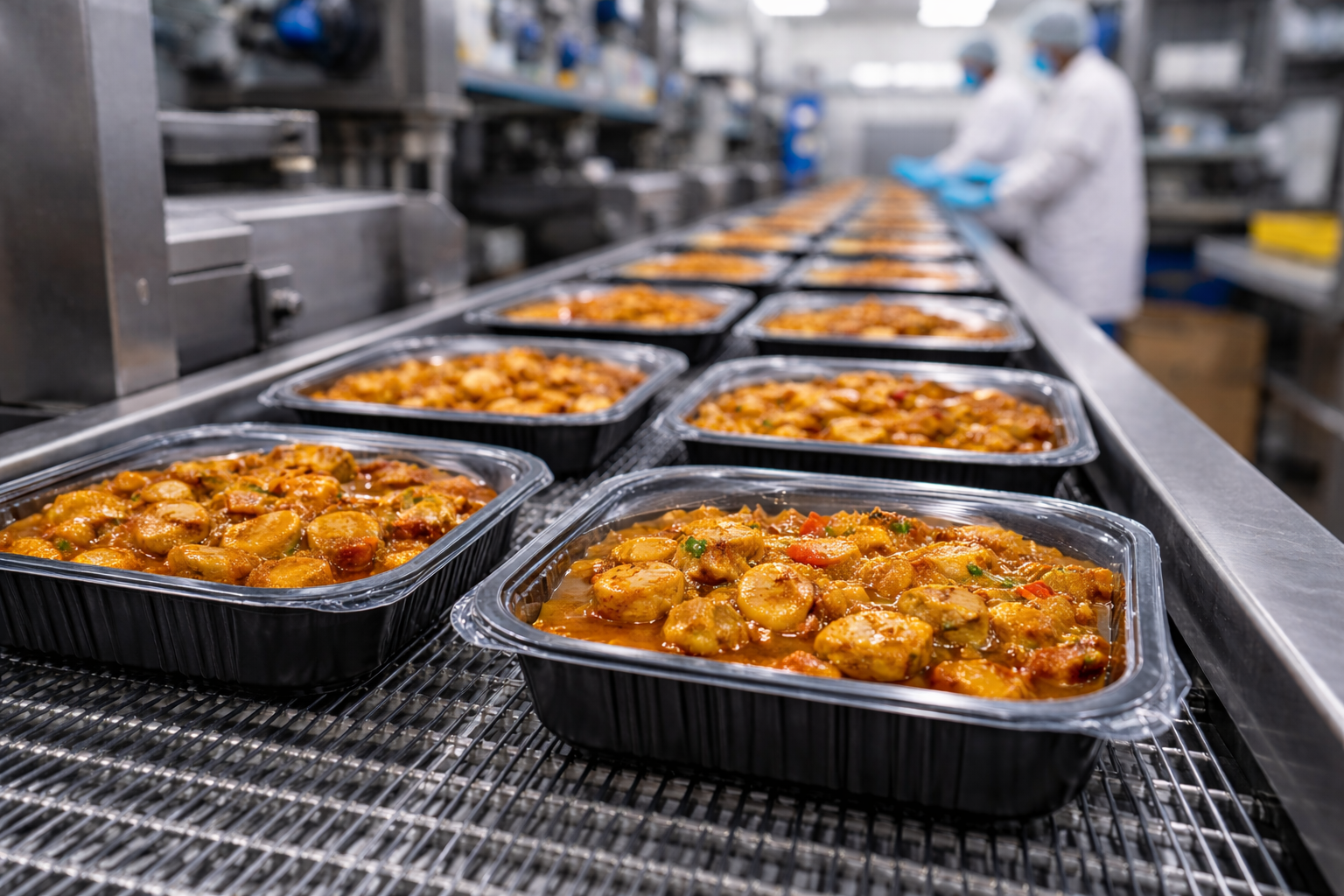
Chilled and frozen products depend on controlled temperature through raw material receipt, production staging, blast chilling, freezing, storage, distribution, retail delivery, foodservice supply, and back-of-house handling. A failure at any point can shorten shelf life, increase waste, trigger food-safety concerns, or interrupt customer service. Temperature control sits inside the manufacturing system, not just around it.
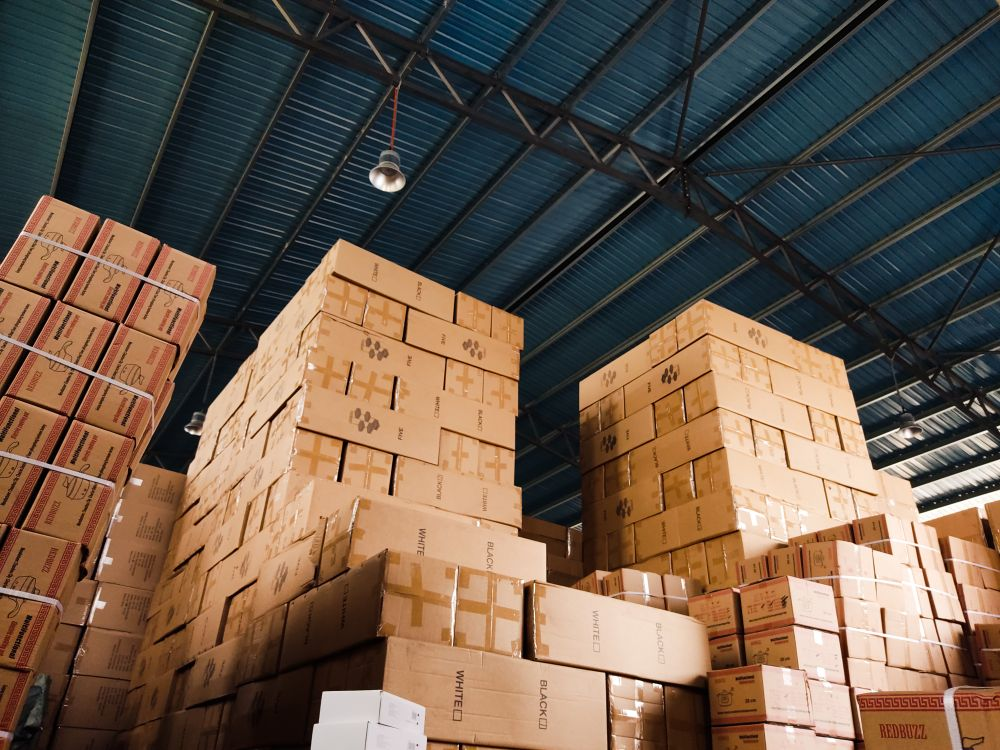
Higher ambient temperatures change the engineering load across the network. Cold stores, refrigerated vehicles, loading bays, chillers, condensers, doors, dock seals, and insulated structures all have to work harder to maintain set points. That raises energy demand and increases the stress on refrigeration plant. Older buildings, ageing plant, poor insulation, weak maintenance, or sites already close to capacity have less tolerance when the outside temperature rises sharply.
The same pressure is already visible across logistics infrastructure, where heat risk is moving up the cold-chain agenda as a national resilience issue. Food production adds another layer because many plants depend on chilled ingredients, frozen inputs, temperature-controlled work-in-progress, and rapid outbound collection. Cold-chain disruption can therefore affect production before finished goods even leave the factory.
Production plans can change quickly when inbound chilled materials are delayed or arrive outside specification. Manufacturers may have to reject loads, reschedule lines, alter recipes, or use alternative stock. If outbound frozen storage is constrained, production may slow even when the factory itself is functioning. Temperature-controlled logistics is often treated as a service layer around manufacturing, but in high-risk categories it is part of the production process.
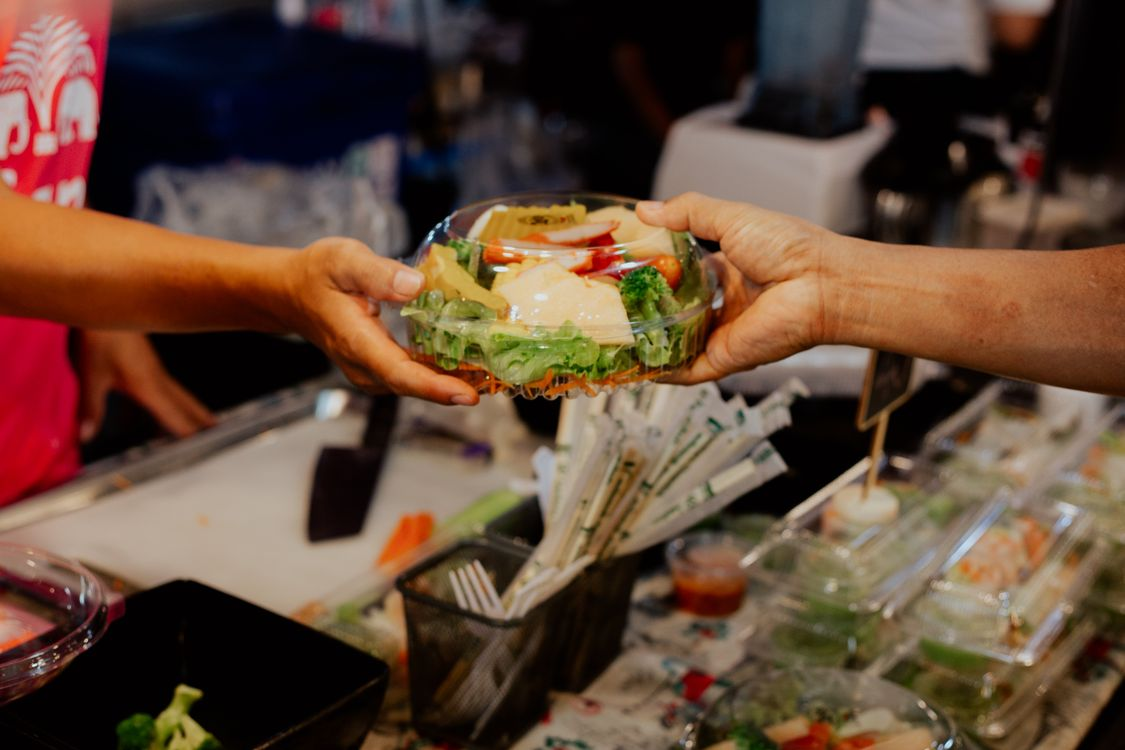
Meat, dairy, seafood, ready meals, prepared produce, frozen bakery, ice cream, and chilled desserts are among the categories most exposed. Each depends on temperature control in a different way. Meat and seafood are shaped by microbial risk and quality protection. Dairy depends on ingredient stability and safety. Ice cream is immediately affected by thermal abuse. Prepared produce and ready meals operate with short shelf lives and limited tolerance for distribution disruption.
Energy demand is a growing constraint. Refrigeration is already one of the most energy-intensive parts of the food chain. During heat events, electricity consumption rises at the same time as wider grid demand increases. Operators need to consider whether back-up systems, maintenance routines, demand management, and energy contracts are sufficient for hotter operating conditions. The risk is not only higher cost, but loss of control during peak stress.
The investment case is changing as climate adaptation becomes an operating requirement. Better insulation, efficient refrigeration plant, low-GWP refrigerants, heat recovery, solar generation, battery storage, door discipline, real-time monitoring, predictive maintenance, and improved dock design can all reduce exposure. No single measure provides full protection, but together they move resilience from emergency response into planned engineering.
Food safety systems will also need to account for heat more explicitly. Hazard analysis may need to reflect increased likelihood of temperature excursions during loading, unloading, cross-docking, waiting time, vehicle breakdown, and power disruption. Digital monitoring can provide useful evidence, although it does not prevent failure where physical capacity or process discipline is weak. Sensors identify excursions; infrastructure prevents them.
Cold-chain infrastructure is being asked to adapt faster than many sites were designed to handle. Efficiency improvements have helped, but resilience requires spare capacity, redundancy, maintenance headroom, and clear incident plans. Those investments can be difficult to justify in normal conditions, yet their absence becomes expensive during disruption.
Extreme heat has moved from seasonal inconvenience to manufacturing constraint. Chilled and frozen food systems rely on temperature control as a condition of safety, quality, and availability. The factories that cope best will be those that treat cold-chain resilience as part of plant and network engineering, not simply as a logistics contract to revisit after a failure.