IN Brief:
- RCTP wants reusable transport packaging recognised as a strategic pillar of the EU Circular Economy Act.
- The group is calling for EPR reform, procurement support, and certification for imported reusable transport packaging.
- Food, retail, and manufacturing supply chains already use reusable crates, trays, pallets, and containers at scale.
The Roundtable for Reusable Containers, Trays and Pallets is urging EU policymakers to place reusable transport packaging at the centre of the forthcoming Circular Economy Act, arguing that reuse should be treated as industrial infrastructure rather than a niche packaging measure.
The group’s position paper focuses on reusable pallets, plastic containers, trays, foldable boxes, stack containers, and bulk containers used across manufacturing, agriculture, food production, retail, healthcare, and logistics. It wants the Circular Economy Act to recognise reuse as a tool for reducing waste, lowering raw material dependence, cutting supply disruption, and improving European competitiveness.
European circular economy policy has often concentrated on recycling, secondary raw materials, waste management, and end of life systems. RCTP is shifting attention further upstream. Reusable transport packaging prevents waste before it is created, keeps durable assets in circulation for repeated trips, and relies on repair, reconditioning, redistribution, and recycling once assets reach the end of their useful life.
The group has set out four policy priorities. It wants reuse explicitly anchored within the Circular Economy Act, EPR schemes harmonised across member states, reusable products exempted from EPR fees where appropriate, public procurement used to scale circular systems, and imported reusable transport packaging from outside the European Free Trade Association subjected to robust certification and verification.
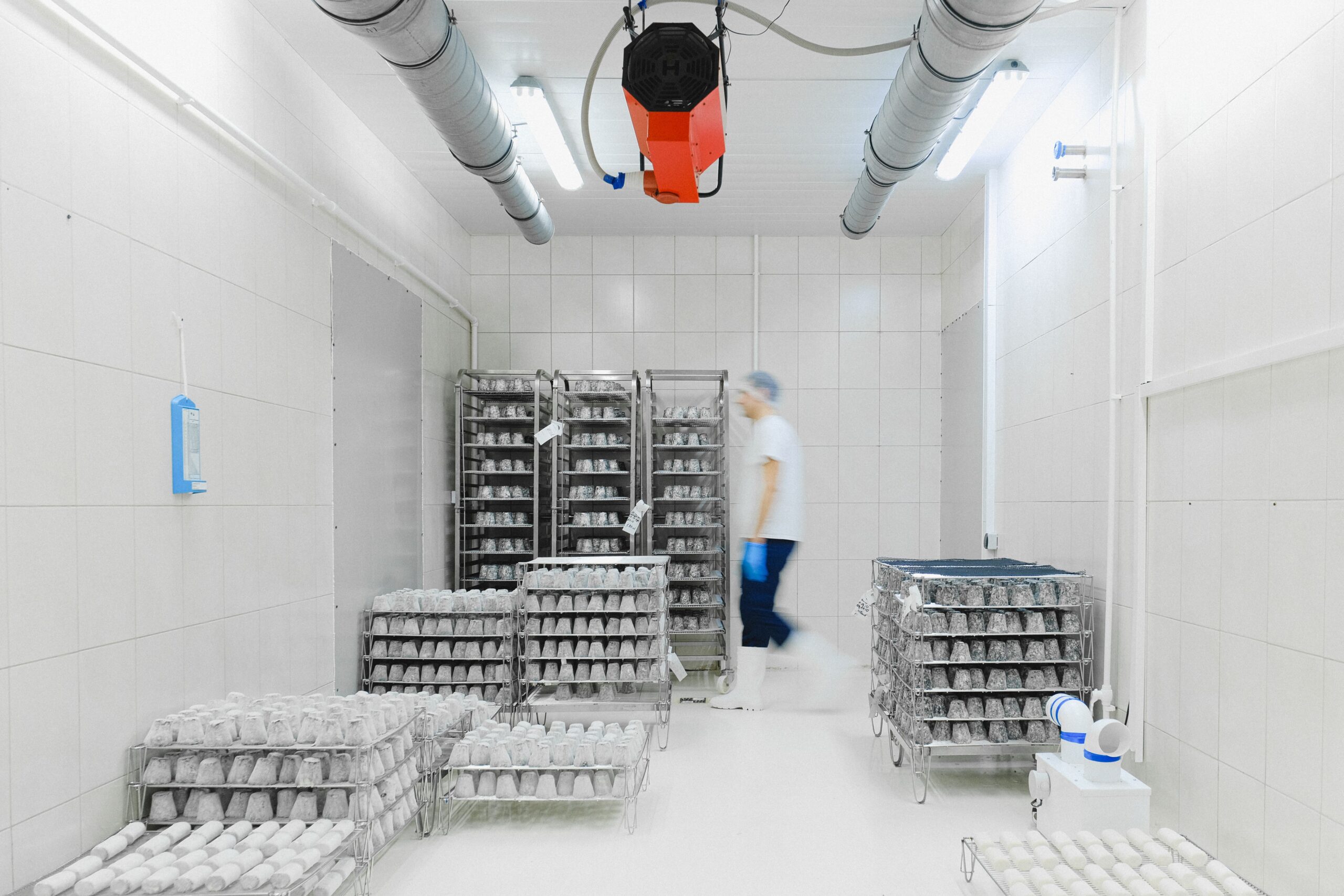
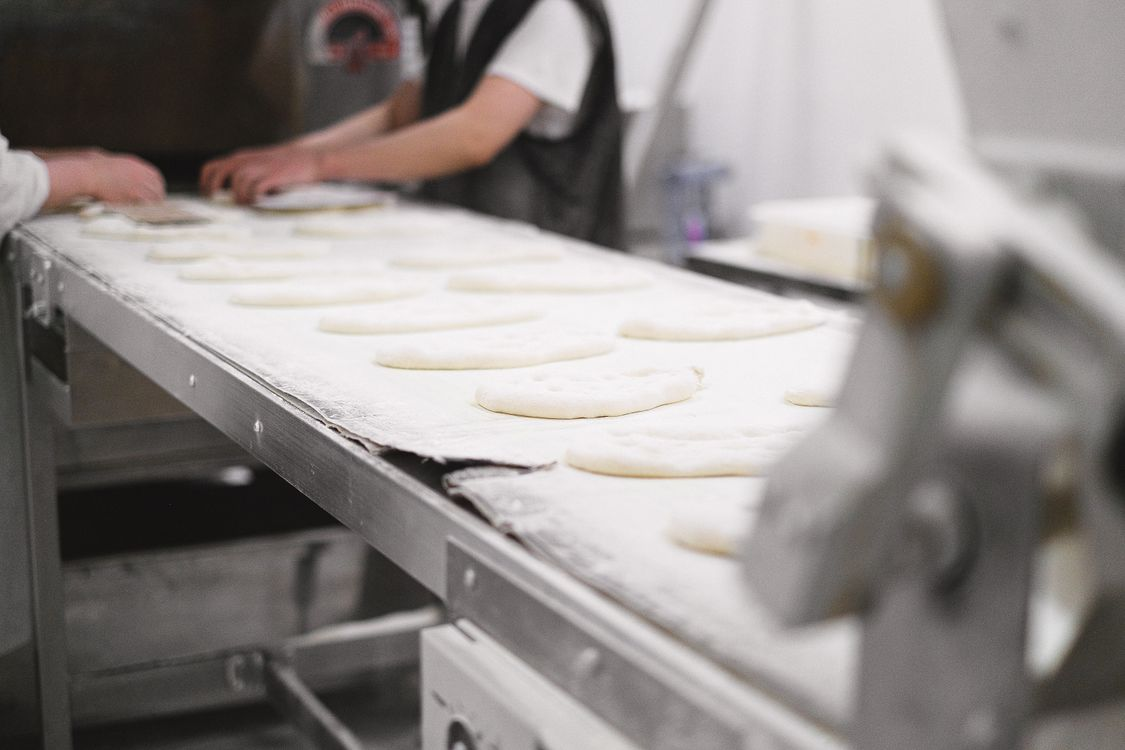
Food supply chains already rely on reusable transport assets. Plastic crates, produce trays, dollies, pallets, bulk boxes, and containers support fruit and vegetable distribution, bakery movements, chilled retail replenishment, dairy logistics, foodservice supply, and manufacturing ingredient flows. These assets protect products, standardise handling, support automated and semi-automated systems, and create a recoverable packaging base rather than a continuous flow of single use material.
The EPR issue is central because reusable transport packaging does not behave like conventional one-way packaging. Fee structures designed around waste generation can penalise systems that prevent waste through repeated use. Harmonised rules and appropriate exemptions would give operators clearer investment signals, particularly where assets move across borders and circulate through multiple users.
Policy clarity is also tied to finance. The movement of capital through European supply chains is becoming as important as the movement of physical goods, as explored in recent analysis on financial flows in Europe’s logistics systems. Reuse models require assets, washing systems, tracking, reverse logistics, maintenance, and loss control. Those systems need funding structures that recognise long asset life and repeated operational value.
Public procurement could accelerate adoption where supply routes are stable. Hospitals, schools, prisons, public sector catering, and institutional foodservice all move large volumes of food and materials through repeat networks. If procurement frameworks support reusable transport packaging, they can strengthen demand for systems that already have the logistics discipline to work at scale.
Certification of imported reusable transport packaging adds a further technical layer. Durable reusable assets depend on material quality, load performance, hygiene suitability, repairability, recycled content, and end of life recyclability. Low quality imports could weaken safety assurance and undercut European systems built around stronger durability and traceability standards.
Reuse still depends on operational discipline. A reusable crate that disappears after a few cycles, sits idle in the wrong location, damages product, or becomes difficult to clean loses much of its value. Effective systems need asset tracking, standard dimensions, compatible handling equipment, washing capacity, repair loops, and clear ownership models.
Those operational requirements are familiar in food logistics. Chilled products, fresh produce, bakery lines, meat supply, dairy distribution, and ingredients movements all depend on reliable return routes and clean handling. A reusable transport pack has to arrive on time, in the right place, in the right condition, and with the right hygiene status. Circularity fails quickly if the asset pool becomes unreliable.
RCTP’s position places reusable transport packaging within the same policy discussion as resilience and competitiveness. Reuse will not fit every route or every pack, but closed and repeatable food supply chains already demonstrate where the model can work. The next stage is whether EU policy gives those systems a clearer financial and regulatory footing.