IN Brief:
- Old El Paso has reformulated its crunchy taco shell range using whole corn kernels and nixtamalisation.
- The upgrade is part of a wider UK launch covering taco kits, cooking sauces, Tesco exclusives, and gluten free wraps.
- The move shows how process-led reformulation is being used to improve texture, flavour, and category performance in ambient meal kits.
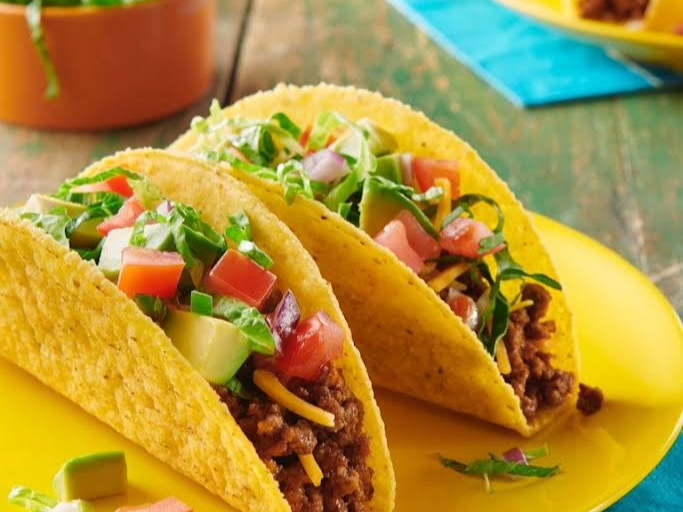
Old El Paso has reformulated its crunchy taco shell range in the UK, using whole corn kernels and a process inspired by ancient Aztec techniques to maximise corn flavour in the resulting corn masa. Finer grains in this masa allows the company to create a lighter, crispier shell while maintaining the iconic taco shape and crunch.
The update forms part of a wider product launch across the brand’s taco portfolio, including new taco kits, cooking sauces, Tesco exclusive products, and larger gluten free tortilla wraps. The refreshed crunchy taco shells are being rolled out across Crunchy Taco Shells 12 pack, Crunchy Taco Shells Family Pack, Sweet Paprika & Garlic Crunchy Taco Kit, and Stand ‘N Stuff Taco Kit.
Nixtamalisation uses alkaline treatment of corn to change flavour, texture, nutrition, and processing behaviour before the corn is ground into masa. In taco shell production, the process can influence dough formation, corn aroma, crispness, expansion, oil uptake, and finished shell breakability. Old El Paso is using the method to create a lighter, crispier shell with stronger corn character.
The brand has also introduced a Smoky BBQ Crunchy Taco Kit, Street Vibes Birria Taco Kit, Sweet Paprika & Garlic Soft Taco Kit, Chipotle Taco Cooking Sauce, and Fajita Cooking Sauce. Tesco exclusive additions include Smoky Chipotle products and gluten free wraps made from tapioca, corn, and quinoa.
The shell reformulation carries more production weight than a standard flavour extension. Ambient meal kits compete on convenience, consistency, shelf stability, and eating experience. The kit may be assembled at home, but its core components still depend on tight industrial control. Taco shells must survive forming, cooking, packing, transport, shelf display, and consumer handling while retaining crunch after heating.
Texture has become a stronger tool in category renovation. Consumers can move between meal kits, chilled meals, takeaway, scratch cooking, and restaurant inspired formats, so ambient kits need clear sensory cues. A crispier shell and stronger corn flavour give the product a point of difference that does not rely only on sauce or seasoning.
The update also reflects renewed interest in process led product development. Ingredient choice remains important, but processing method increasingly shapes the final product. Corn based formats can be differentiated through variety, colour, milling, cooking, nixtamalisation, extrusion, frying, baking, seasoning, and texture control.
World food categories are moving from basic meal assembly toward more specific flavour and format experiences. Birria, chipotle, smoky barbecue, and street food references give retailers more range architecture, but they add operational complexity for manufacturers. Different kits carry different seasoning mixes, sauces, tortillas, shells, wraps, and pack configurations, all of which must be managed through procurement, packing, allergen controls, shelf life validation, and artwork systems.
Gluten free wraps add another technical layer. Tapioca, corn, and quinoa behave differently from wheat flour systems. Gluten free doughs and wraps can be difficult to process because elasticity, foldability, moisture retention, and fracture resistance have to be built through starches, fibres, hydrocolloids, and processing control. Larger wraps are particularly demanding because they have to hold together during packing and consumer use without becoming brittle or gummy.
Crunchy taco shells also bring packaging and handling constraints. Improved crispness must be balanced against breakage risk through packing, case handling, transport, and shelf replenishment. Any change in shell structure can affect scrap rates, pack fill, protective inserts, and customer complaints. Reformulation has to be tested across the full production and distribution route, not only through sensory assessment.
Ambient meal kits remain attractive because they combine long shelf life with strong brand and flavour development potential. They also face pressure from private label, restaurant inspired chilled ranges, and price sensitive consumers. Process improvements that raise eating quality can help established brands defend shelf space without relying entirely on promotion.
Old El Paso’s update shows how mature categories can still be technically active. A taco shell looks simple on shelf, yet better crunch and stronger corn flavour require decisions around raw material, cooking, milling, forming, frying or baking, oil, salt, packaging, and distribution. In a category built around convenience, the manufacturing work behind texture is becoming a sharper competitive tool.