IN Brief:
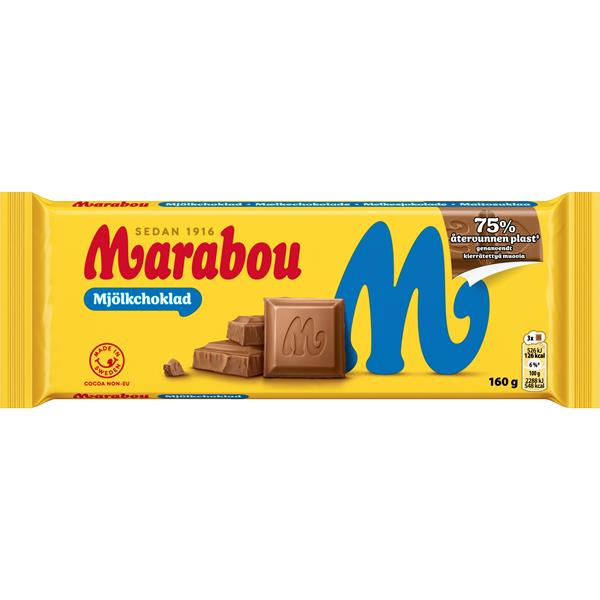
- Mondelēz is using packaging sourced from 75% recycled content for Marabou chocolate bars.
- The project uses LYB CirculenRevive polymers through an ISCC PLUS-certified mass balance approach.
- Flexible food-contact packaging remains one of the hardest areas for recycled-content implementation.
Mondelēz International is using flexible packaging sourced from 75% recycled content for Marabou chocolate bars through a value chain involving LyondellBasell, Amcor, Taghleef Industries, and other partners.
The packaging uses LYB CirculenRevive polymers made with 100% attributed recycled content through an ISCC PLUS-certified mass balance approach. The material uses hard-to-recycle mixed plastic waste as circular feedstock for food packaging applications, while maintaining the technical requirements needed for chocolate wrappers.
LyondellBasell supplies the circular polymers, Taghleef Industries develops the base film, and Amcor converts the material into the final flexible packaging structure. The collaboration gives Mondelēz a route to increase recycled content in a food-contact application where mechanical recycling alone has historically struggled to meet material quality, safety, and performance requirements.
Chocolate wrappers are demanding packaging formats. They need to protect product quality against moisture, oxygen, grease, aroma transfer, light exposure, breakage, and handling damage. They must also run reliably on high speed wrapping lines, maintain print quality, seal consistently, and protect shelf life through distribution and retail display.
Those requirements explain why flexible confectionery packaging has been difficult to move into higher recycled-content structures. Many wrappers rely on multilayer formats or specialist film performance, while food-contact recycled plastic faces stricter requirements than non-food applications. Chemical recycling is being used as a route to convert mixed plastic waste into feedstocks suitable for virgin-quality polymers.
The development aligns with Europe’s wider packaging direction. The EU Packaging and Packaging Waste Regulation is increasing pressure on recycled content, recyclability, packaging minimisation, and producer responsibility. Recent European packaging flow analysis has sharpened scrutiny on food and beverage packaging, with the sector accounting for substantial material volumes across consumer packaging streams.
Flexible packaging remains one of the most exposed areas of that transition. It is efficient, light, and well suited to high speed food production, yet difficult to collect, sort, and recycle into food grade material at scale. Snack, bakery, confectionery, dairy, and chilled products all depend on flexible formats where product protection and circularity can pull in different directions.
Mass balance systems are becoming part of the industrial route for circular polymers, even while debate continues over how recycled-content claims are communicated. Under this model, recycled feedstock is introduced into existing production systems and attributed to output through certified accounting. That allows brand owners to support recycled-content claims without requiring every molecule in a given film to be physically traceable to a specific waste stream.
The decisive test is production performance. A wrapper that performs in a technical trial still has to survive film unwinding, forming, sealing, cutting, coding, flow wrapping, transport, and retail handling. Line speed, seal integrity, film stiffness, coefficient of friction, ink performance, and waste rates will determine whether a circular material becomes commercially practical.
Large brand owners are already pushing harder on packaging circularity, with Mars reporting that more than two-thirds of its packaging portfolio now meets reusable, recyclable, or compostable criteria. The remaining work is concentrated in technically complex formats where barrier performance, food safety, production speed, and recovery routes have to be solved together.
The Marabou project connects brand demand, polymer production, film manufacture, conversion, and post-consumer waste sourcing. No single company can solve flexible food-contact packaging alone. The system has to link waste collection, sorting, recycling technology, certification, film performance, converter capability, and food manufacturer acceptance.
Recycled-content confectionery packaging is moving from isolated pilot to branded application. The next measure will be whether similar structures can be scaled across more products, markets, and line formats without increasing cost, waste, or operational complexity beyond what factories can absorb.