IN Brief:
- Nichols will manufacture and distribute 500ml Myprotein Clear Whey Protein Water under a multi-year licence.
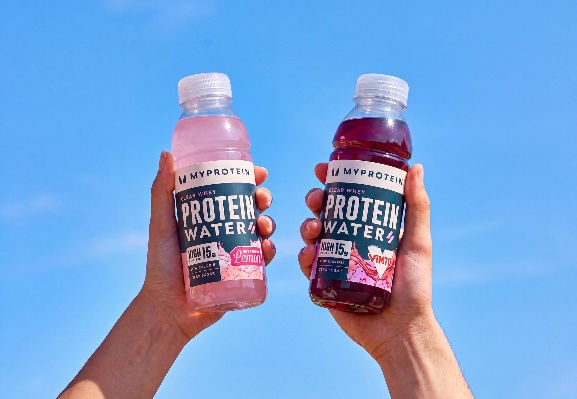
- Two sugar-free flavours will launch in September 2026, each containing 15g of clear whey protein.
- Ready-to-drink production introduces tighter requirements around protein stability, clarity, thermal processing, hygiene, and supply security.
Nichols will manufacture and distribute Myprotein Clear Whey Protein Water in the UK under a multi-year brand licence agreed with THG.
The ready-to-drink range will launch in September 2026 in Vimto and Raspberry Lemon flavours. Each 500ml bottle will contain 15g of clear whey protein, with the drinks positioned as sugar free and low calorie at a recommended retail price of £2.99.
Nichols will use its beverage production and distribution network to supply grocery, wholesale, convenience, and impulse channels. Myprotein gains access to established manufacturing and physical retail infrastructure without building a separate national operation for ready-to-drink products.
The companies have worked together since 2021 through Myprotein products using Vimto flavouring. Moving into a finished bottled drink extends the relationship beyond powdered supplements and places the brand in chillers, food-to-go outlets, gyms, convenience stores, and mainstream retail.
Clear whey protein isolate produces a lighter, more transparent drink than a conventional milk-style protein shake. Its juice-like appearance and flavour profile allow protein to enter refreshment occasions where creamy beverages may be less suitable.
The manufacturing process is considerably more demanding than selling powder for consumers to mix at home. Nichols must deliver clarity, flavour, microbiological safety, fill accuracy, and shelf-life stability before each bottle leaves the production line.
Growing demand has already placed pressure on whey protein isolate supply, as sports nutrition, functional beverages, medical nutrition, and high-protein foods compete for specialist dairy processing capacity.
Clear whey moves onto beverage lines
Protein behaviour changes with pH, heat, minerals, flavours, sweeteners, and storage conditions. Clear whey products are normally formulated under acidic conditions, which support a lighter sensory profile but can introduce haze, sediment, astringency, or instability if the system is poorly balanced.
Thermal treatment must achieve the required microbiological reduction without denaturing the protein or changing the appearance of the drink. The selected process will need to work alongside the bottle, closure, filling environment, and intended shelf life.
Accurate powder dispersion is equally important. Whey isolate can foam or form undissolved material during mixing, while air entrainment complicates filling and visual quality. Water condition, mixing sequence, shear, temperature, and hold time all influence the finished beverage.
Protein residues can increase fouling on tanks, pipework, heat exchangers, and fillers, placing additional demands on cleaning. Production scheduling must prevent allergen, flavour, or protein carryover into neighbouring beverages while avoiding excessive downtime between campaigns.
Myprotein’s brand recognition can create demand quickly, but ingredient output cannot be expanded at the same pace. Whey protein isolate depends on dairy side streams, membrane filtration, purification, evaporation, and drying assets that require substantial capital and lengthy commissioning.
Manufacturers entering the category therefore need secure supply agreements and formulation tolerances capable of accommodating normal batch variation. A shortage of suitable isolate could restrict production even when filling capacity and retail demand are available.
The licence also changes the commercial model. Nichols assumes the manufacturing and distribution responsibilities associated with a finished beverage, while THG extends Myprotein into channels where single-serve purchases and immediate consumption are common.
The £2.99 price places the product above many conventional soft drinks but within the established range for functional and high-protein beverages. Grocery multipacks, promotional pricing, and convenience availability will shape whether purchases remain occasional or become part of a wider routine.
Clear whey also widens the competitive set. The drink will sit alongside dairy shakes, energy drinks, hydration products, vitamin waters, and other functional beverages rather than competing only with protein powders.
Retail success will depend on more than the nutrient declaration. Flavour, clarity, mouthfeel, packaging, availability, and price must remain acceptable across repeated purchases, while production needs to maintain the same sensory profile at commercial scale.
Retail replenishment will add another operational test, as promotional peaks and uneven store-level demand require close coordination between production planning, finished stock, and distribution.
The partnership joins specialist dairy ingredients with mainstream beverage manufacturing and distribution. As clear whey moves from powder tubs into higher-volume bottled formats, process stability and raw material security will determine how far the category can expand beyond sports nutrition.