IN Brief:
- The recall covers 150g M&S Food Truffle Gouda carrying product code 29424887.
- Affected packs have a use-by date of 9 October 2026 and were distributed in Northern Ireland.
- The incident places renewed attention on post-process hygiene, environmental monitoring, and batch-level traceability in ready-to-eat dairy.
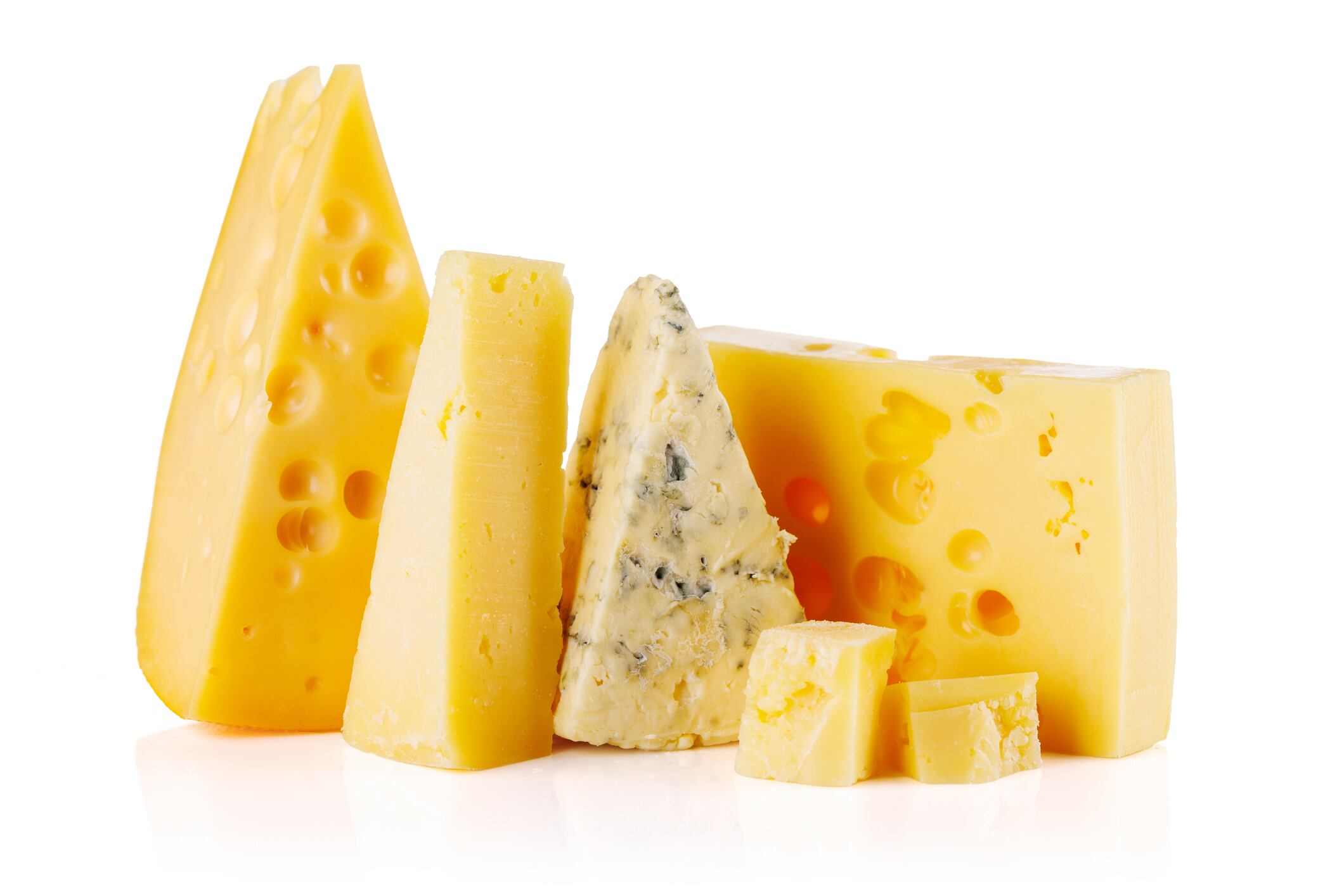
M&S has recalled 150g packs of Truffle Gouda distributed in Northern Ireland after Listeria monocytogenes was detected.
The action covers product code 29424887 with a use-by date of 9 October 2026. Customers have been instructed not to consume the cheese and to return affected packs to a store for a full refund.
No other M&S products are included in the recall. Notices are being displayed at points of sale to identify the affected product, pack size, code, and date.
Listeria monocytogenes can cause listeriosis, with pregnant women, older people, babies, and people with weakened immune systems facing a greater risk of serious illness. Ready-to-eat cheese receives no further cooking step before consumption, leaving the microbiological condition of the packed product as the final control.
Gouda is a semi-hard cheese, but contamination can occur during cutting, slicing, flavour addition, handling, or packing after the main cheesemaking process. A truffle product may introduce additional ingredients and post-maturation stages that require separate hygiene and supplier controls.
The extended use-by period increases the importance of accurate distribution records. Cheese supplied several weeks earlier may remain in retail stock, foodservice storage, or domestic refrigerators, requiring rapid identification of every affected batch and customer route.
The action follows a separate recall of two brie products after Listeria detection in Northern Ireland. The incidents have not been linked, but both involve ready-to-eat dairy products capable of supporting the organism during chilled storage.
Post-process environments remain vulnerable
Listeria can survive at refrigeration temperatures and establish itself in damp factory environments. Drains, floors, conveyors, seals, hollow framework, cutting equipment, condensation points, and damaged surfaces can provide niches that remain difficult to reach during routine sanitation.
Environmental monitoring programmes are intended to identify those locations before contamination reaches finished food. Sampling normally covers several hygiene zones, with areas closest to exposed product receiving the greatest level of scrutiny.
Individual results must be considered alongside trends. A single positive may indicate a temporary contamination event, whereas repeated detection in the same area can point to a resident strain, inaccessible equipment, weak traffic control, or a cleaning method that is failing to remove established biofilm.
Cheese cutting and packing areas are particularly sensitive because the product has already passed through its principal processing stages. Hygiene separation must control people, tools, trolleys, packaging, air movement, and maintenance activity around exposed ready-to-eat material.
Additional ingredients introduce further interfaces. Truffle oils, pastes, seasonings, or particulates require supplier approval, microbiological specifications, storage controls, and handling procedures appropriate to the finished cheese.
Production sequencing can reduce cross-contamination risk by separating products and cleaning between campaigns, although the programme must be validated against the equipment and organism involved. Visual cleanliness alone does not show that Listeria has been removed from difficult surfaces.
Recall readiness becomes critical when preventive controls fail. Accurate coding allows a company to withdraw the affected production without destroying unrelated stock, while incomplete records can force a wider and more expensive action.
Rework, repacking, shared materials, and manual coding adjustments can complicate traceability unless every movement is recorded. Retail distribution systems must then connect the manufacturer’s batch information with depot, store, and customer channels.
Following the withdrawal, the investigation will need to establish the source and extent of contamination. Corrective measures may involve intensified cleaning, additional product and environmental sampling, equipment dismantling, supplier checks, or changes to zoning and production flow.
Long shelf life requires confidence that low-level contamination will not develop during storage. Finished product testing provides one layer of evidence, but sampling cannot replace environmental control because only a small proportion of the production volume can be examined.
Supplier and retailer teams will also need to reconcile retained samples, laboratory results, production records, and distribution data as the investigation narrows the likely contamination route.
The affected scope is limited to one product code and date, yet the underlying controls apply across ready-to-eat dairy. Hygienic design, environmental monitoring, sanitation, supplier management, and precise traceability remain the principal defence against an organism capable of persisting quietly inside chilled production facilities.